
You’re hunting line, power, and consequence—hollow beach breaks, technical reefs, and points that reward timing and nerve. Portugal delivers: Supertubos, Coxos, winter Zavial, and, for the few who are truly prepared, Nazaré’s big-wave arena. For logistics (where to stay/eat, what to do on lay days, surf schools/camps, hotels, and guided strike missions), tap the Portugal Surf Trip Guide.
- What to Expect — Advanced Level
- Tips for Advanced Surfers
- Quick Travel Planner — Portugal (Advanced Surfers)
- Advanced Surf Spots — Top Picks
- Advanced Level Surf Spots Portugal by Region
- Level Up Fast: 3 Progression Sessions in Portugal
- Book Your Stay
- FAQ: Advanced Surf in Portugal
- Latest Blog Posts
- Level Up: Portugal Surf Spots by Ability
Some of the links on this website are affiliate links — if you book through them, we may earn a small commission (at no extra cost to you). This helps us keep the site running and create even more useful content for travelers like you.
If you’ve found our work helpful and wish to support us further, you can also make a small donation via PayPal. Every bit counts — thank you!
What to Expect — Advanced Level
- Real power windows. Autumn–winter brings long-period W/NW swells, local wind shifts, and fast tides.
- Crowd dynamics. Priority, positioning, and patience—especially at points/reefs like Coxos.
- Risk management. Entry/exit routes, impact zones, and clear pull-out plans matter more than ever.
Tips for Advanced Surfers
- Read the bathymetry. Hunt banks/ledges that focus period and hold tide; move if shape goes.
- Quiver reality. Daily driver + step-up; add a pinny gun for long-period days (Peniche/Alentejo) and something stout for slabs.
- Warm-up right. Short mobility + breath control; don’t start cold on the heaviest set.
- Local code. No back-paddling, no fades at points, and one-up/one-down on tight takeoff spots.
- Safety team. Surf with a partner; carry fins rope, first-aid in the car; jet-ski support only for teams who know what they’re doing.
- Flights: Aim for Lisbon (Peniche/Ericeira/Sintra) or Faro (west Algarve). Early arrivals = offshore mornings.
- Car Rental: Book a car to chase wind/tide windows and step up banks fast.
- Hotels: See stays near Peniche/Baleal, Ericeira (Ribeira/Coxos zone), or Lagos/Aljezur; ask for board rinse and early breakfast.
- Advanced Coaching: Compare coaching 1:1 or small-group video analysis and reef/point etiquette refresh.
- Surf Guiding (Advanced): Book guided strike missions (spot calls, tides, safe entries).
- Activities: Reserve easy rest-day picks (cliff hikes, recovery spas, or film review).
Prime windows: Sep–Dec (Atlantic engine on); Jan–Mar for heavy pulses if you’re equipped.
Advanced Surf Spots — Top Picks
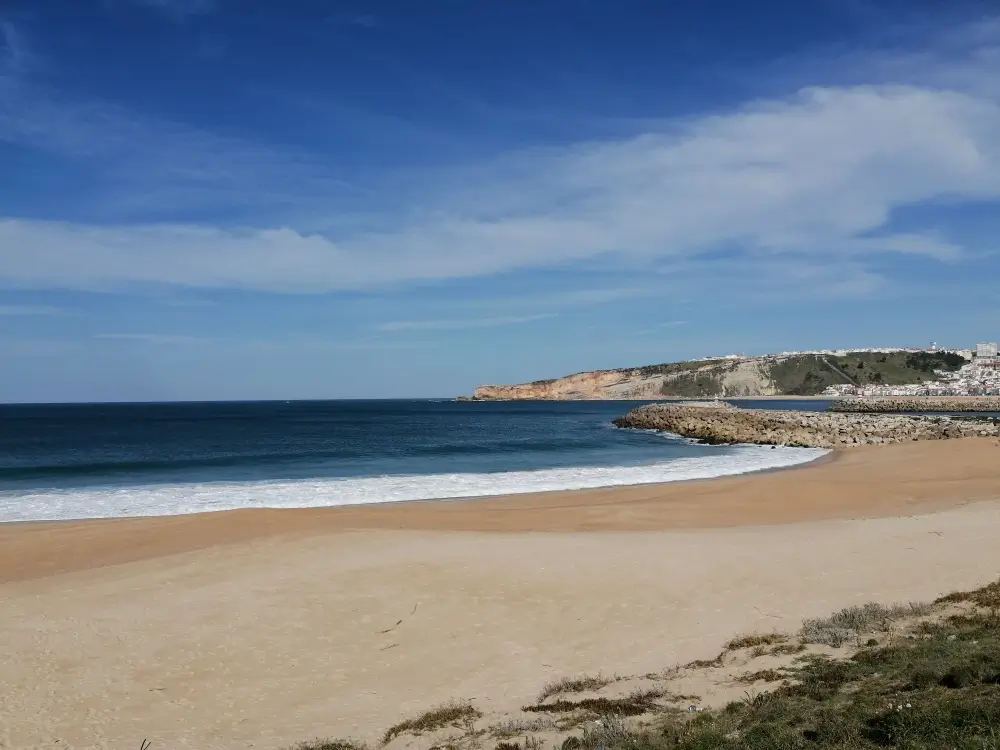


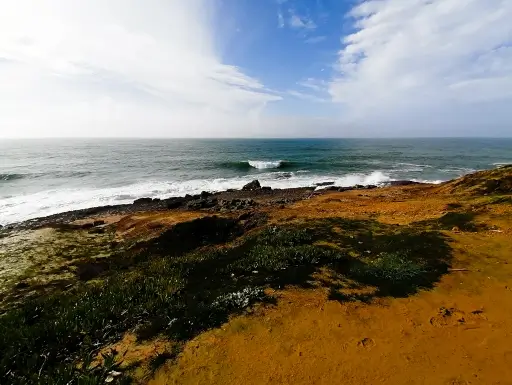


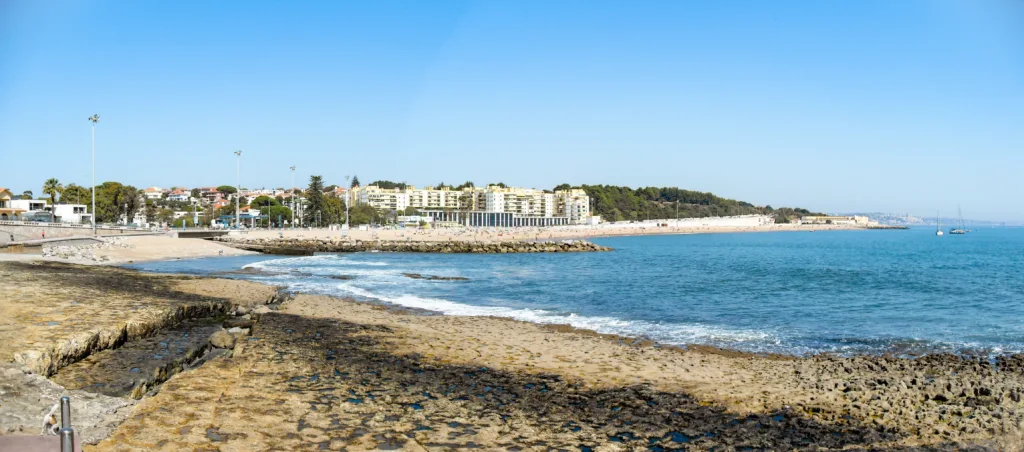
Advanced Level Surf Spots Portugal by Region
- Praia da Física
- Praia do Mirante
- Foz do Sizandro
Level Up Fast: 3 Progression Sessions in Portugal
Book Your Stay
Surf Camps (advanced/intermediate+ programs)
Pick weeks with video coaching, reef etiquette modules, and transport.
Compare advanced surf camps in Portugal
Hotels & Apartments (near the breaks)
From cozy country homes to sea-view apartments—stay near Nazaré, Peniche, Sintra or Aljezur, and keep drives short.
- Tip: Use filters for free cancellation, parking, and early breakfast.
- Good to know: Apartments make board storage and rinsing easier.
Why book here
- Fast: compare dates & prices in one place
- Flexible: plenty of free-cancellation options
- Local-savvy: banks and points suited to advanced surfers.
Let’s catch some waves—start with the surf camps search or hotels near the breaks.
FAQ: Advanced Surf in Portugal
Do I need a car to score?
Yes. A car lets you bank-hunt and switch coasts when wind flips (e.g., Peniche banks ↔ Baleal, Ericeira reefs, West Algarve ↔ South Algarve wraps). If you’re car-free, base walkable and add advanced surf guiding for spot calls and transport.
Find a vehicle here.
What boards should I bring?
A daily driver plus a step-up (and consider a second step-up if you’re eyeing Alentejo/Peniche pulses). Add a small-wave option for shoulder days. Leashes: bring two. Fins: full set + spares.
Wetsuit guide?
3/2 mm late spring–early autumn; 4/3 mm for winter or windy spells. Booties help on chilly mornings and reef entries. An impact vest is smart for heavier beachies or shallow reefs.
Where should I base for advanced waves?
Peniche/Baleal for constant bank options (Supertubos/Molhe Leste on the right days).
Ericeira for point/reef variety near Ribeira d’Ilhas/Coxos.
Lagos/Aljezur/Sagres for two-coast flexibility (Cordoama/Castelejo, Beliche/Tonel, Arrifana outside).
Look for stays with parking, early breakfast, and an outdoor tap for rinsing gear. Try search hotels near advanced spots.
Lessons vs. guiding at advanced level—what’s worth it?
Both. Progression coaching (incl. video) sharpens lines, speed control, and section timing. Advanced guiding gets you to the right bank/reef at the right tide with clean entries/exits. On a 5–7 day trip, do one of each.
Is Nazaré on this page? Should I paddle it?
Nazaré’s Praia do Norte is a tow arena on true swells—pro logistics only. On small cycles, Praia da Vila can be an advanced paddle, but treat it with full caution, a spotter, and exit plans. If you’re tow-curious, move to the Pro page and book advanced guiding & safety training.
Any quick safety reminders?
Check flags and rips, watch two full set cycles before paddling, know your entry/exit (especially reefs), and never drop in. Carry a fins key, spare leash, and charged phone. When in doubt, don’t paddle out.
Latest Blog Posts
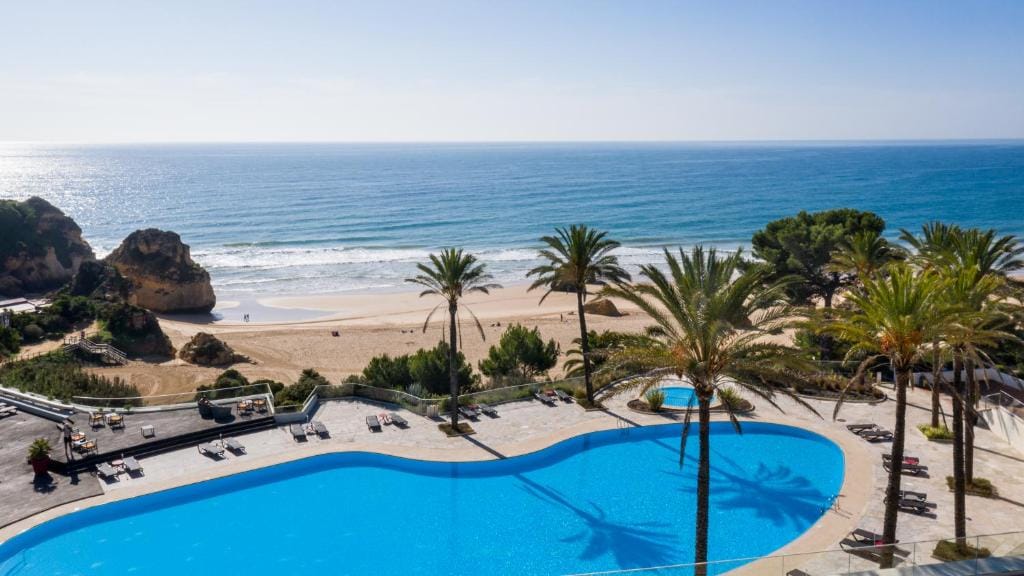
Portimão Surf Hotels & Alvor Surf Hotels (Surf-Friendly Picks for Mellow Days)
Looking for Portimão surf hotels in the Algarve that make mellow days easy—and keep you a short…
Best Surf Camps in Peniche
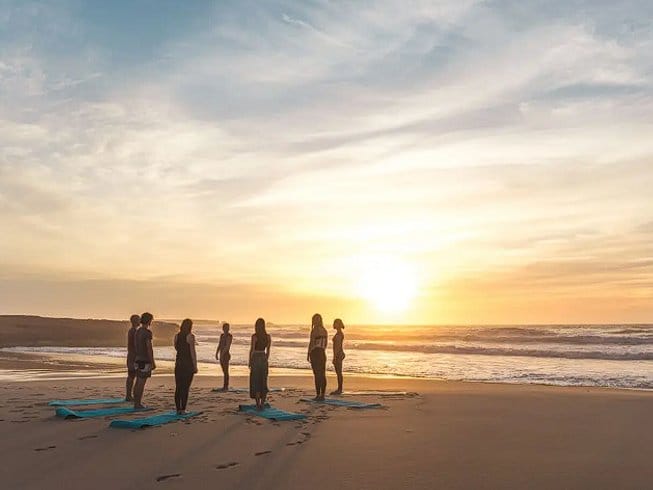
Aljezur Surf Camps with Lessons – 7 Best
Dreaming of surf sessions at sunrise, yoga at sunset, and fresh seafood in between? Aljezur set inside…