
A raw, west-facing beach framed by black-schist cliffs, Praia do Castelejo (Algarve West Coast) delivers punchy beach-break peaks, dramatic scenery, and plenty of room to spread out. Get the local-style settings—best winds, workable swell/period, tides, safe entries, hazards, and quick plan-B options—so you surf smarter and safer.
Best time to surf Castelejo: Autumn–spring (Sep–Apr) for consistent W–NW swells and E/NE offshores; summer brings smaller, cleaner waves ideal for longboards and lessons at dawn.
Getting ready to surf Castelejo? Plan your trip now and experience everything this underrated surf spot has to offer with our Algarve Surf Trip Guide.
- Why Surf in Praia do Castelejo?
- Quick Travel Planner – Castelejo
- Quick Facts about Praia do Castelejo
- When to Surf in Praia do Castelejo?
- Discover Castelejo: Scenic Beach Views
- Castelejo Surf Conditions: Waves, Tides & Wind in the Lineup
- Live Surf Forecast for Castelejo Beach
- How to Get to Castelejo: Location & Directions
- Plan Your Surf Trip to Castelejo
- FAQ: Surfing & Travel Tips for Castelejo
- Surf Spots Near Castelejo (Algarve West & South)
- Explore More Surf Spots Guides in the Algarve
- Related Algarve Travel Guides
- Browse More Portugal Surf Regions
Some of the links on this website are affiliate links — if you book through them, we may earn a small commission at no extra cost to you.
Spread the word about Castelejo
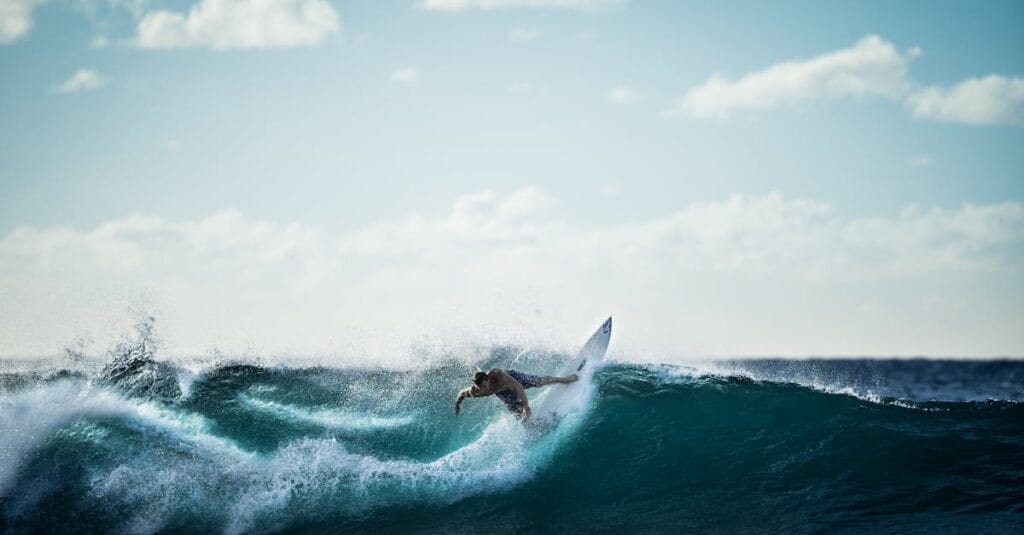
Why Surf in Praia do Castelejo?
Long, wild, and backed by striking black-schist cliffs, Praia do Castelejo is one of the Algarve west coast’s most characterful surf beaches. A broad bay, shifting sandbanks, and a raw Atlantic feel make it ideal if you value space in the lineup and a more “untouched” setting than the classic surf hubs.
- Variety of waves — An exposed beach break with multiple peaks across the bay. On smaller swells you’ll find mellow shoulders and playful walls; when the period and size climb, the banks light up with faster, punchier pockets and short, zippy A-frames.
- Good for different levels — On small, tidy days (especially mornings with light E/NE wind) Castelejo can work for beginners with a surf school. Most of the time, though, it shines for intermediates and above who are comfortable with quicker beach-break take-offs and reading shifting banks.
- Scenic setting — High, dark cliffs, wide sands, and big skies give Castelejo that wild-Algarve look. The walk down from the viewpoints and the panorama of lines wrapping into the bay are almost as good as paddling out.
- Laid-back, low-key vibe — Simple beach setup, dispersed crowd, and far fewer buildings than the busier resorts. For cafés, restaurants, rentals, and shops, head back to Vila do Bispo, Sagres, or Lagos.
- Flexible surf base — It’s easy to pair Castelejo with neighbouring Cordoama (just north), Amado, or south-coast shelters like Beliche and Mareta, giving you quick options if wind, tide, or banks aren’t cooperating.
Whether you’re hunting open, powerful beach-break walls or just want a spacious, wild backdrop for your sessions, Cordoama delivers consistent waves and pure west-coast atmosphere.
- Flights: Find the Best Flight Deals to Faro or Lisbon
- Car Rental: Book Your Car Rental for Castelejo & Algarve West Coast
- Hotels: Check Hotels & Stays Near Castelejo, Sagres & Vila do Bispo
- Surf Camps: Join a Surf Camp Near Castelejo & Surrounding Beaches
- Activities: Book Fun Activities Around Castelejo & the Vicentine Coast
- Tours: Discover Tours & Day Trips from Vila do Bispo, Sagres & Algarve
- Surf vibe — Long, wild west-coast bay backed by black-schist cliffs. Exposed and consistent, with spread-out peaks and a raw feel for surfers who prefer nature over resorts.
- Best surf season — October–April for frequent W–NW groundswell and punchier, performance-friendly surf. May–September is smaller and cleaner (great for cruisy longboard sessions and lessons at dawn).
- Best for beginners — Small, tidy days in the central sandbanks, ideally with a local surf school. Most other days suit intermediates/advanced due to rips and rock patches.
- Top stays nearby:
- Pure Flor de Esteva — Minimalist, calm B&B in Vila do Bispo; ideal launchpad for Castelejo/Cordoama. Check Prices & Dates
- Pure Fonte Velha B&B — Stylish rooms, generous breakfast, 10–15 min to the west-coast beaches. Check Prices & Dates
- Casa Mestre — Comfortable house setup with easy access to west & south-coast breaks; great for small groups. Check Prices & Dates
Local tip — Arrive early on good charts: easier parking, lighter wind, and cleaner banks. Keep an eye on the Windy Waves layer (Hs 0.8–2.0 m, 10–14 s, E/NE breeze) for classic Castelejo windows.
When to Surf in Praia do Castelejo?
You can surf Castelejo year-round, but the character of the waves shifts a lot by season. With its west-northwest exposure, there’s usually something breaking—from soft summer peelers to punchy winter walls—so the “best” time depends on your level and what you’re chasing.
- Summer (June–August) — Smaller, mellower Castelejo surf: warmer water, softer peaks and plenty of whitewater. Ideal for beginners, longboards and soft-tops (especially at dawn before the sea breeze). Advanced surfers can still sniff out fun banks, but summer is more about cruisy consistency than heavy waves.
- Autumn (September–November) — Often the prime window. Water’s still relatively warm, crowds thin, and regular W–NW swells start pulsing. Expect everything from chest-high runners to punchier overhead days—perfect for confident intermediates looking for pushy but makeable walls. E/NE winds frequently groom the face.
- Winter (December–February) — Castelejo shows its heavier side: stronger swells, quicker take-offs, rips and frequent overhead+ days. Best left to experienced surfers comfortable with shifting peaks, fast paddle-outs and rocky patches. Catch it clean on E/NE with mid→high tide and good sandbanks and it can be all-time.
- Spring (March–May) — A transition mix of lingering winter pulses and calmer spells. Great if you want fewer people, cool but manageable water temps, and anything from playful shoulder-high to solid days when systems roll through.
If you’re beginner/lower-intermediate, aim for late spring to early autumn and target smaller, tidy forecasts. If you’re intermediate/advanced chasing solid Castelejo surf, autumn and winter are when this beach really comes into its own.
Discover Castelejo: Scenic Beach Views
Press play for a one-minute escape to Praia do Castelejo—black-schist cliffs, wide golden sands, and Atlantic lines wrapping into a wild west-facing bay. From sunrise glow to wind-groomed midday peaks and a blazing Algarve sunset, this reel captures the raw, untamed feel that makes Castelejo Beach a favorite between sessions. Use it to scout viewpoints, pick your spot on the sand, and get a taste of the atmosphere before you go.
Castelejo Surf Conditions: Waves, Tides & Wind in the Lineup
Praia do Castelejo is a west–northwest–facing beach break backed by high black-schist cliffs and wide sands. Multiple sandbanks and a few rock/ledge patches create several peaks across the bay—playful shoulders on small summer swells and short, punchy A-frames when autumn/winter power meets good banks. It’s classic wild-west Algarve: plenty of energy and room to spread out if you walk.
Break Layout — Broad Bay, Multiple Peaks
Most action sits in front of the main car park and along the central stretch, where shifting banks offer lefts and rights.
- Small swells: forgiving take-offs, longer whitewater for learners closer to shore.
- Solid swells: steeper drops, quick pockets, and sections that close out if you’re out of position.
Pro tip: a short walk north/south often reveals a quieter, cleaner bank.
Swell, Wind & Tides
Castelejo hoovers up Atlantic energy thanks to its exposure. Even when the south coast is flat, you’ll often find a line here.
- Swell: Works best on W–NW swells; 10–14 s period keeps shape without detonating banks.
- Wind: E/NE is clean/offshore and grooms the face; W–SW onshore (common afternoons) chops it up fast.
- Tide: Surfable on all tides, but mid → mid-high often balances push and makeable sections. Dead low on a solid swell tends to be fast and dumpy.
Power, Rips & Currents
Don’t be fooled by the open bay—Castelejo carries serious push in autumn/winter. Sandbanks and rock features create feeder rips that can help you paddle out if used as channels, but they’ll also pull you off the peak if you’re not paying attention. On bigger days expect strong currents, powerful shorebreak, and heavier hold-downs—best for surfers with solid paddle strength and beach-break experience.
- Hidden rocks near cliff bases and Pedra da Laje at mid/low tide.
- Feeder rips: useful as channels, but don’t drift onto rocks.
- Shorebreak: heavy on powerful days and at dead-low tide.
- Learner window: ≤1.2 m, 8–11 s, E/NE breeze, mid → mid-high tide, with a local surf school.
Crowds & In-Water Vibe
Popular, but the shoreline is long and peaks are spread out, so you can usually find space. In summer you’ll see a mix of locals, schools, and visiting surfers; shoulder/winter mornings are much quieter. The vibe stays relaxed if you follow etiquette, give learners/schools room, and avoid sitting right on rock features.
Who Castelejo is Best for
- Beginners: Only on small, tidy days and ideally with a local surf school; stay inside on softer banks.
- Lower/intermediates: A good step up from sheltered bays—learn to read rips, pick channels, and handle more push.
- Intermediates/advanced: Where Castelejo shines—think W–NW 3–6 ft, 10–14 s, E/NE breeze, mid tide and organised banks.
Use the summary table below to quickly check facilities, ideal swell/wind, tides and typical water temperatures before planning your next Castelejo surf session.
Facilities
Car Park
WC
Shower
Bar / Restaurant
Surf School
Surf Level
Wave Direction
Right and Left
Tide
All tides
Swell
Northwest, West
Wind
East, Southeast
Bottom
Sand and Rocks
Season
All year
Consistency
Localism
Crowd
Average Water Temperature
Summer: 20.3°C
Autumn: 19.3°C
Winter: 15.9°C
Spring: 16.5°C
Live Surf Forecast for Castelejo Beach
Use the Windy.com map below (set to Waves) to read Castelejo in real time. Scrub the timeline to track pulses, then click just offshore to open the spot card with hour-by-hour wave height (Hs), period, direction, and wind. For classic Castelejo, look for W–NW swell, Hs ~0.8–2.0 m (3–6 ft), period 10–14 s, and E/NE (offshore) breezes—ideally around mid to mid-high tide. If it’s W–SW onshore or dead low on a solid swell, expect chop or dumpy closeouts. Power move: toggle ECMWF/ICON/GFS on the card for confidence, and star the spot to set height/period/wind alerts.
How to Get to Castelejo: Location & Directions
Praia do Castelejo: A hidden gem for surfers and nature lovers. Located approximately 250 kilometers from Lisbon and 100 kilometers from Faro, Praia do Castelejo offers consistent waves and breathtaking coastal scenery. Known for its dramatic cliffs, rock formations, and secluded coves, Castelejo is a perfect spot for exploring and enjoying the tranquility of the Algarve coast.
To find out how to get to Praia do Castelejo, check out the Location & Directions section on our main page, Algarve Surf Travel Guide. Use the embedded Google Maps tool below to easily navigate to Praia do Castelejo and start your adventure.
Local Landmarks & Lookouts
Torre da Aspa (highest coastal cliff in the Algarve) gives a sweeping view of Castelejo and Cordoama; Miradouro do Castelejo is a quick check on banks and wind; Pedra da Laje at the north end reveals rock pools at low tide (watch your footing). Restaurante Castelejo (seasonal) sits just above the sand with snacks, coffee and toilets.
Ready to experience the unique beauty and adventure of Praia do Castelejo? Pack your beach essentials and plan your trip today.
Plan Your Surf Trip to Castelejo
Planning your surf trip is easier when everything’s in one place. Use this guide to organize your perfect getaway to Praia do Castelejo, a cliff-backed west–northwest facing beach in the Algarve with exposed Atlantic swells, wide golden sands, and multiple shifting peaks. Expect cruisy summer peelers for lessons and longboards, punchier autumn–winter walls for confident surfers, and plenty of space in the lineup—plus easy Plan-B options next door at Cordoama or on the sheltered south coast when wind and size spike.
Found this guide helpful? Share it with friends who’d love Castelejo too.
FAQ: Surfing & Travel Tips for Castelejo
What’s the best wind?
E/NE offshore. W–SW onshore usually ruins face quality.
Which tide works?
Mid → mid-high helps on modest swells; dead low often turns dumpy/closeout.
Are there rocks?
Yes—rock/ledge features mixed with sand. Observe the banks and avoid exposed zones; enter via the central sand.
When is it “pros only”?
Around >8 ft W–NW with punchy periods, especially near low tide and with strong rips.
Best plan B if it’s too big or windy?
Try Beliche/Mareta on the south coast for shelter, or walk/drive to Cordoama for different banks.
Surf Spots Near Castelejo (Algarve West & South)
One of the best things about surfing Castelejo is how easily you can link it with other west- and south-coast breaks on the same trip. With a car, you can chase the best banks, winds, and swell size within a short drive.
- Cordoama — Just north and even walkable at low tide. A long, exposed bay with multiple peaks; great when you want more space or a different bank setup.
- Amado — Algarve classic with consistent beach-break peaks, schools on the sand, and a lively surf-camp vibe. Works for all levels depending on size.
- Bordeira (Carrapateira) — Huge dune-backed bay with many peaks. Playful on small days, heavy and shifty on solid swells.
- Vale Figueiras — Long, exposed beach break that hoovers swell; can serve up powerful walls and rips. Best for confident intermediates and above.
- Sagres area (Tonel, Beliche, Mareta, Zavial, etc.) — Short drive to the south coast for shelter when the west is too big or blown out. Tonel handles size; Beliche can barrel; Mareta is smaller and forgiving; Zavial turns on with clean long-period swell.
Use our individual surf spot guides to compare conditions, crowds, and places to stay around Castelejo and build a flexible Algarve surf road trip.
Explore More Surf Spots Guides in the Algarve
Related Algarve Travel Guides
Best Family Surf Hotels Algarve: Easy Bases for Sandy Days
Looking for the best family surf hotels in the Algarve—places where kids are happy, lessons are nearby,…
Lagos Surf Hotels – Meia Praia & Porto de Mós
Lagos surf hotels give you the best of both worlds: a lively Algarve town (great food, easy…
Sagres Surf Hotels: Where to Stay for Easy Waves & Wild Views
Sagres surf hotels are all about rolling out of bed to sea cliffs, sandy coves, and two…
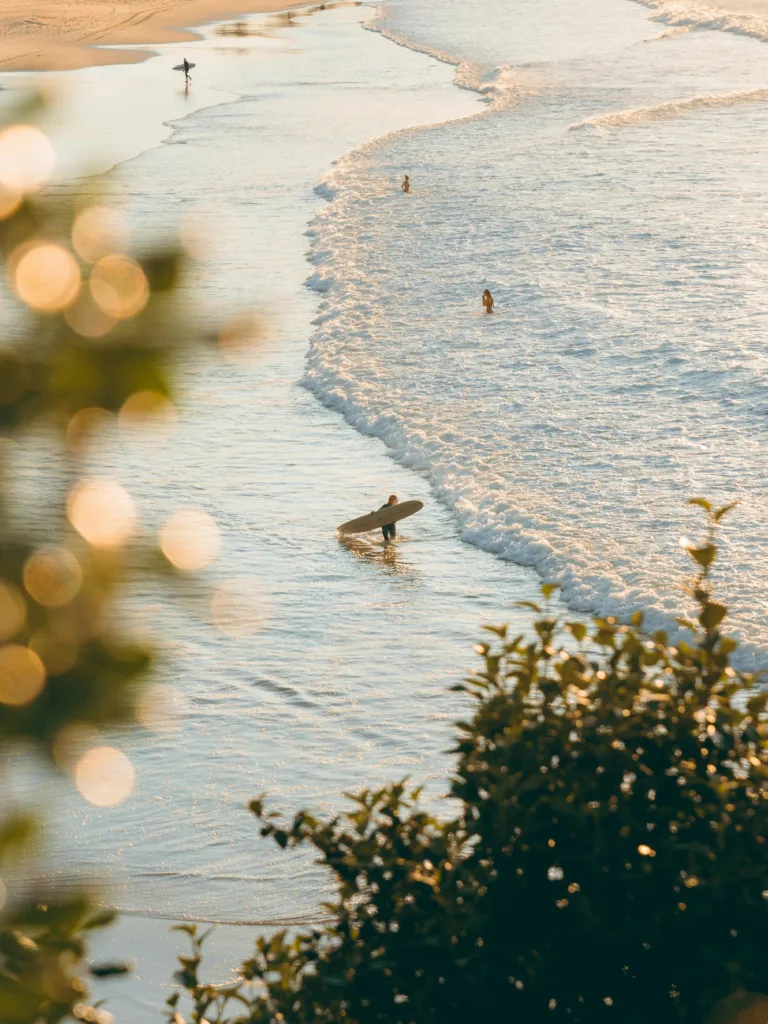
Best Surf Camps in the Algarve
Dreaming of golden sands and perfect waves? The Algarve is calling! As a world-renowned surfing destination with…
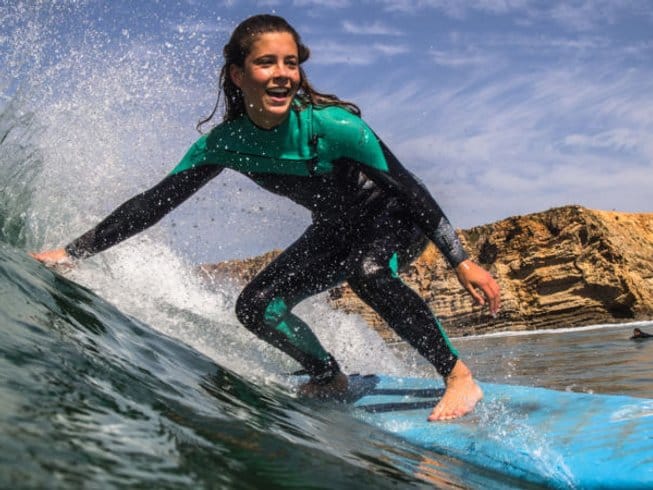
Top Surf Camps in Sagres
Looking for that perfect blend of wild nature, consistent waves, and surf-town charm? Sagres might just be…
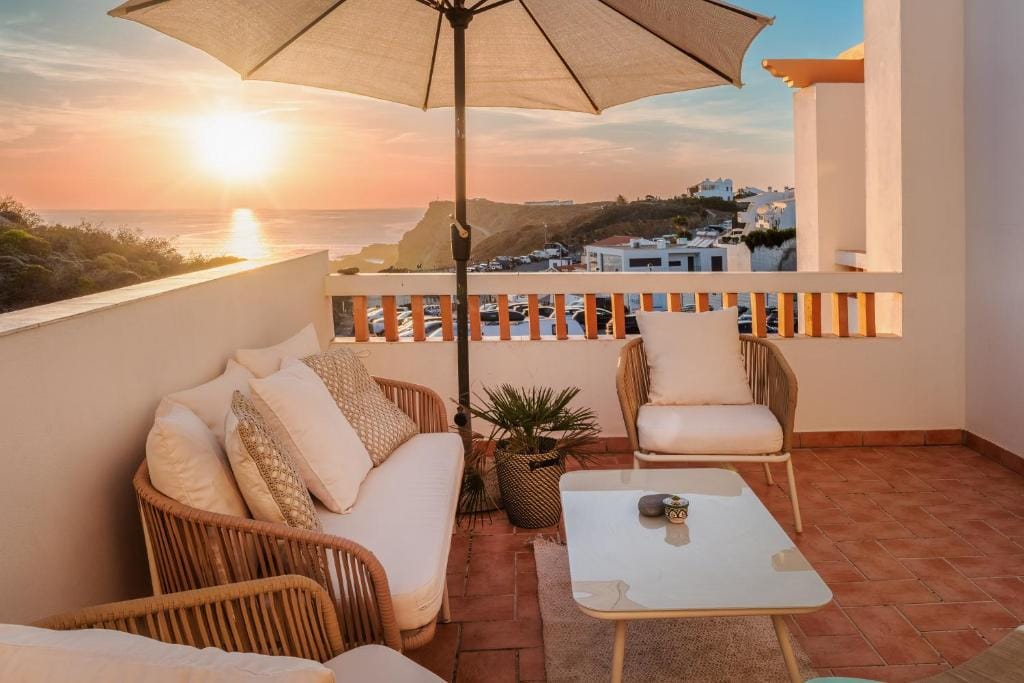
Hotels Near Arrifana Beach (Surf-Friendly)
Hotels near Arrifana Beach put you right by one of Portugal’s most photogenic surf bays—cliff-backed, wave-rich, and…