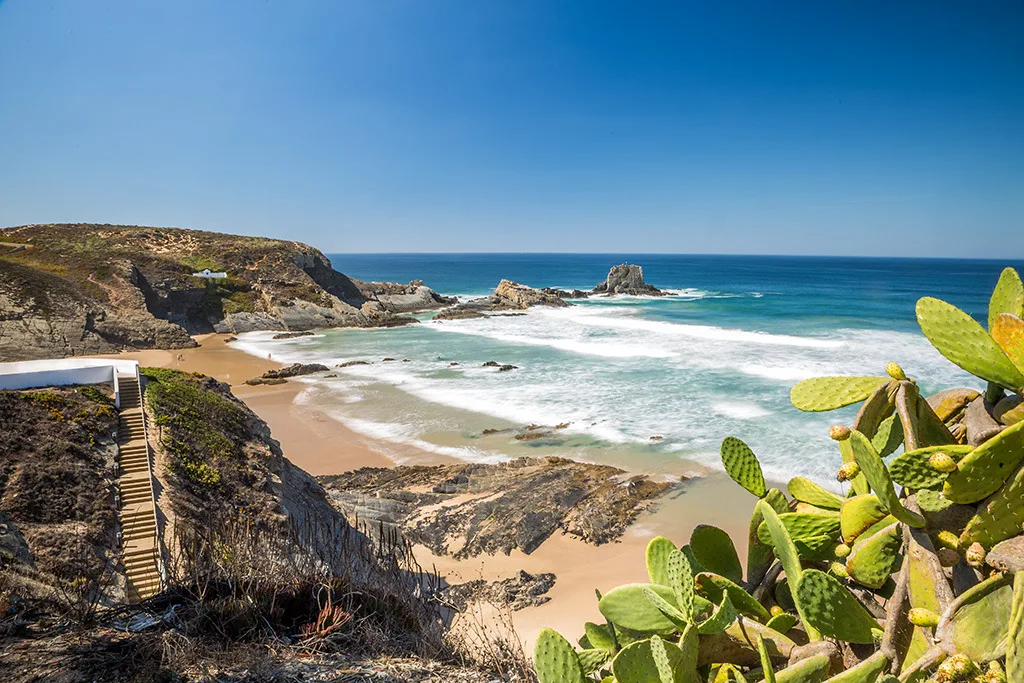
Portugal’s southernmost region, the Algarve, is a world-renowned surfing destination. Blessed with stunning beaches, consistent waves, and year-round sunshine, it offers something for surfers of all levels.
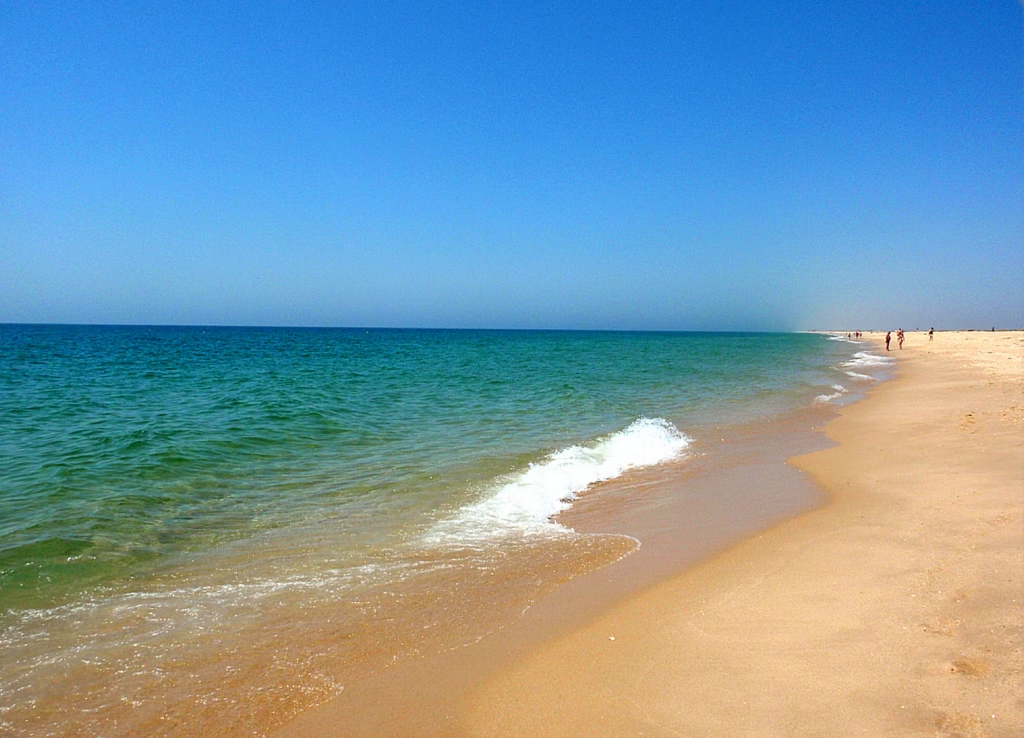
For beginners, the sheltered bays and long, sandy beaches of the western Algarve provide the perfect setting to learn the basics. Experienced surfers will find challenging waves at the exposed beaches of the south coast.
In between, there are countless spots to explore, each with its own unique character. Whether you’re looking for a family-friendly beach, a thrilling wave, or a secluded spot to relax and soak up the sun, the Algarve has it all.
The best time to surf in the Algarve is from October to April, when the swell is consistent and the weather is mild. However, the region can be surfed year-round, with summer offering smaller waves and warmer water temperatures.
Some of the links on this website are affiliate links — if you book through them, we may earn a small commission (at no extra cost to you). This helps us keep the site running and create even more useful content for travelers like you. If you’ve found our work helpful and wish to support us further, you can also make a small donation via PayPal. Every bit counts — thank you!
Spread the word about the Algarve
Why Surf in Algarve?
Image source: www.pexels.com
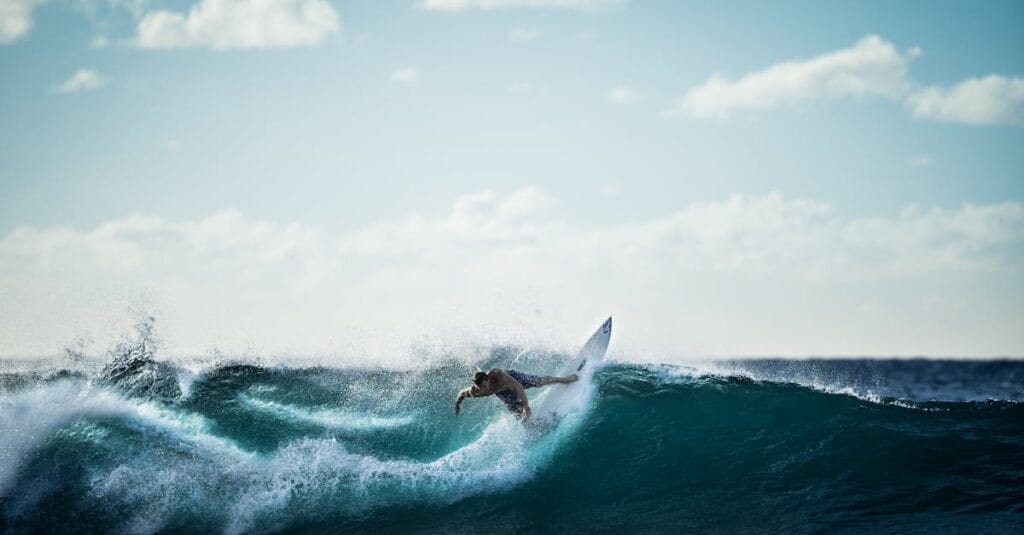
The Algarve isn’t just another surf region — it’s a place where variety and accessibility meet. You’ll find gentle beach breaks ideal for first-timers, powerful reef and point breaks to challenge seasoned surfers, and plenty of surf schools ready to guide you. Add in the region’s 300 days of sunshine, dramatic cliffs, and welcoming surf culture, and it’s clear why the Algarve is one of Europe’s favorite surf destinations.
No matter what your level of experience or the time of year, the Algarve is a surfer’s paradise. With its stunning scenery, friendly locals, and vibrant atmosphere, it’s no wonder that it’s one of the most popular surf destinations in Europe.
Here are some of the most popular surf spots in the Algarve:
- Lagos: A historic town with a variety of surf spots for all levels.
- Sagres: A beautiful town at the southwestern tip of Portugal, known for its powerful waves.
- Albufeira: A lively resort town with plenty of surf schools and shops.
- Portimão: A large city with a long beach and a variety of surf spots.
- Salema: A small village with a sheltered beach, perfect for beginners.
The Algarve is more than just a surfing destination. It’s also a region with a rich history, a vibrant culture, and a delicious cuisine. There are plenty of things to see and do in the Algarve, from exploring the historic towns and villages to hiking in the mountains to relaxing on the beach.
So what are you waiting for? Start planning your trip to the Algarve today!
Start planning your Algarve surfing adventure today with our Algarve Surf Trip Guide!
- Flights: Find the Best Flight Deals
- Car Rental: Book Your Car Rental in Algarve
- Hotels: Check Hotels & Stays in Algarve
- Surf Camps: Join a Surf Camp in Algarve
- Activities: Book Fun Activities in Algarve
- Tours: Discover Tours & Day Trips from Algarve
- Surf vibe: The Algarve is Portugal’s sunniest surf region, with a unique mix of sheltered south-coast beaches and powerful west-coast breaks.
- Best surf season: October – April (consistent swells & mild weather).
- Best beginner surf: Arrifana & Amoreira – gentle waves, surf schools, and mellow beach vibes.
- Top stays nearby:
Surf Spots in Algarve






Stress-Free Surf Holidays in Algarve
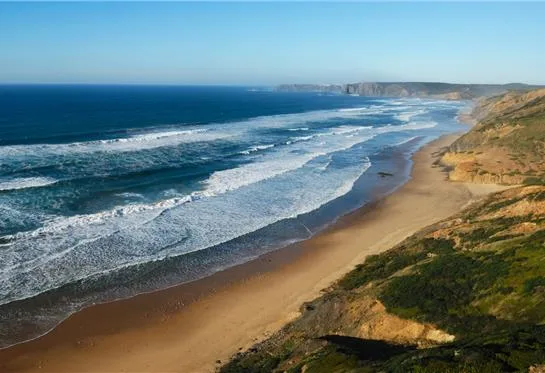
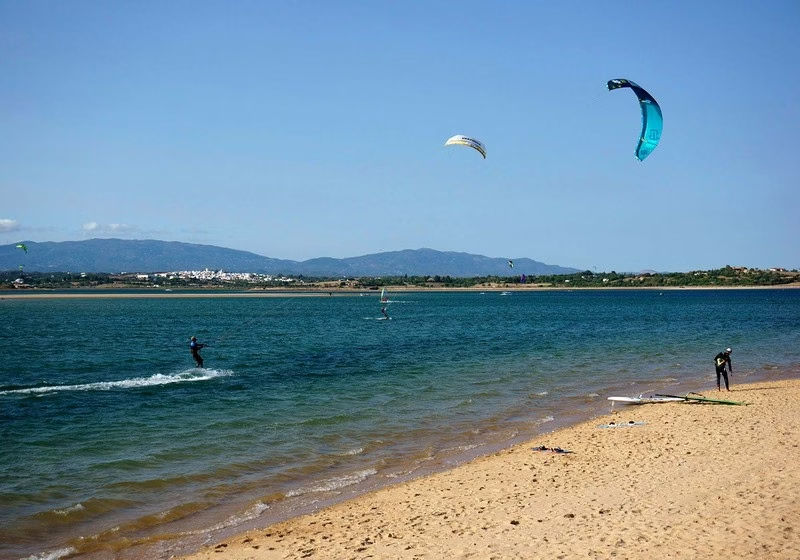
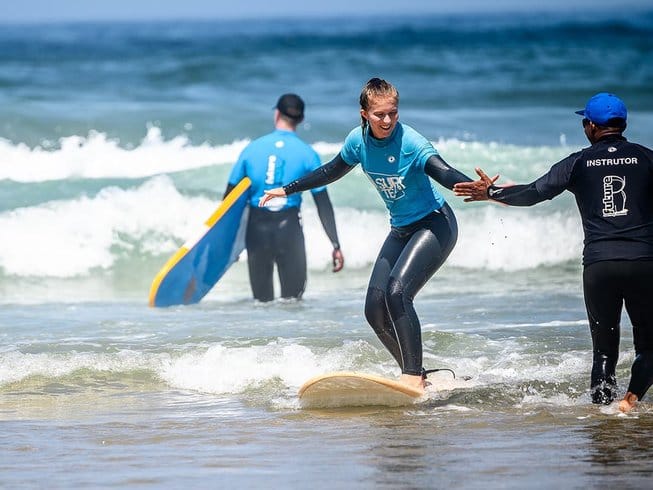
Joining a surf camp in Algarve is the simplest way to surf more and stress less. Everything’s taken care of — lessons, gear, accommodation, and a community of fellow surfers. Whether you’re chasing your first green wave or looking to sharpen your skills, Algarve surf camps make it happen.
Check out the best surf camps below or use our search tool to find the one that matches your style.
Algarve Surf Map
Algarve Surf Forecast

Image source: www.pexels.com
Ready to plan your ultimate surf travel to Algarve? Don’t waste time searching for scattered information—we’ve got everything you need in one place! From local tips and insider knowledge to practical advice, we’re from Portugal and know exactly what it takes to make your trip unforgettable.
Click below to explore everything you need to organize your adventure, from directions to the best surf gear, accommodations, and more.
Found this guide helpful? Share it with friends who’d love Algarve too.
FAQ: Surfing in Algarve & Travel Tips
Where can beginners surf in the Algarve?
The Algarve is a fantastic surfing destination in Portugal, especially for beginners. Here are some of the best beaches to learn to surf in the Algarve:
Praia da Luz: Located in the popular resort town of Luz, Praia da Luz offers a long stretch of golden sand and gentle waves, making it an ideal spot for beginners. Surf schools operate on the beach, offering lessons and surfboard rentals. The sheltered bay provides calmer waters, perfect for practicing your skills.
Praia do Zavial: Slightly less touristy than Praia da Luz, Praia do Zavial boasts a beautiful coastline with consistent, smaller waves that are perfect for beginners. The beach is backed by cliffs, offering stunning scenery. Surf schools and rental shops are available here as well.
Meia Praia: Situated near Lagos, Meia Praia is a vast beach with plenty of space to learn and practice surfing. The waves here are generally smaller and gentler, making it suitable for beginners. Surf schools and rentals can be found close to the beach.
Salema Beach: Nestled in a small bay, Salema Beach offers a relaxed atmosphere and consistent, rolling waves that are ideal for beginner surfers. The beach is known for its calm waters and beautiful setting. Surf lessons and rentals are available here as well.
Praia da Amoreira: Located in the Aljezur region, Praia da Amoreira is a beautiful beach with a long, sandy shore and consistent waves. The waves here can vary depending on the conditions, but there are often sections suitable for beginners. Surf schools operate on the beach and offer lessons and rentals.
These are just a few of the many great options for beginner surfers in the Algarve. When choosing a beach, consider factors like the size and consistency of the waves, the presence of surf schools, and the overall vibe of the beach.
Here are some additional tips for beginner surfers in the Algarve:
Take surf lessons from a qualified instructor. This is the best way to learn the basics of surfing safely and effectively.
Start with a soft-top surfboard, which is easier to maneuver and safer than a hardboard.
Pay attention to surf forecasts and choose a day with waves that are appropriate for your skill level.
Be aware of your surroundings and surf in a designated area.
Have fun and enjoy the experience!
Can you surf in the south of Portugal?
Yes, you definitely can surf in the south of Portugal, particularly in the Algarve region. The Algarve is a renowned surfing destination in Portugal, especially for beginners and intermediate surfers, due to several factors:
Consistent Swells: The Algarve enjoys consistent swells rolling in from the Atlantic Ocean, providing good waves for surfing throughout most of the year.
Variety of Beaches: The coastline boasts numerous beaches with varying breaks, catering to different skill levels. West-facing beaches tend to have stronger waves, while south-facing ones offer gentler options for beginners.
Surf Season: The prime surfing season runs from late September to May. During this period, the swells are generally more consistent, and water temperatures are comfortable for surfing in a wetsuit. Summer months can also be good for beginners with smaller waves.
Surf Schools and Rentals: Many surf schools operate along the Algarve’s beaches. They offer lessons, surfboard and equipment rentals, and can guide you to the best spots based on your skill level.
Stunning Scenery: Combine catching waves with breathtaking views. Golden sand beaches, dramatic cliffs, and clear waters provide a picturesque backdrop for your surfing adventure.
Here’s a quick breakdown of the Algarve for surfing:
West Coast: Known for powerful swells and more challenging waves, ideal for experienced surfers. Popular spots include Praia do Amado, Praia da Arrifana, and Sagres.
South Coast: Offers gentler waves suitable for beginners and intermediate surfers. Popular beaches include Praia de Faro, Praia dos Salgados, and Praia da Luz (mentioned previously for beginners).
Whether you’re a seasoned surfer or just starting out, the Algarve has something to offer. Remember to check the latest surf forecast and tide conditions before heading out, and choose a beach with waves that match your abilities. If you’re a beginner, consider enrolling in a surf lesson for a safe and enjoyable learning experience.
Where are the best waves in Algarve?
The Algarve region in Portugal offers some excellent surfing spots known for their consistent waves and quality breaks. Here are a few spots renowned among surfers:
Sagres: Located on the western tip of the Algarve, Sagres is famous for its powerful waves and rugged coastline. Praia do Tonel and Praia do Beliche are popular spots for experienced surfers.
Arrifana: Situated near the town of Aljezur, Arrifana Beach is known for its consistent surf breaks suitable for all levels of surfers. The beach offers both left and right-hand waves, making it versatile for different swell directions.
Amado Beach: Found near Carrapateira, Amado Beach is a wide sandy beach offering consistent surf breaks suitable for all levels. It’s particularly popular for beginners and intermediate surfers due to its forgiving waves.
Praia da Rocha: Close to the town of Portimão, Praia da Rocha is known for its reliable beach breaks, making it a favorite spot for surfers of all levels. The beach offers consistent waves throughout the year, with larger swells during the winter months.
Praia da Bordeira: Located near Carrapateira, Praia da Bordeira is known for its long sandy beach and consistent waves suitable for surfers of all levels. The beach is ideal for both beginners and experienced surfers looking for a more relaxed atmosphere.
These are just a few examples of the many excellent surfing spots in the Algarve region, each offering unique experiences and challenges for surfers of all levels.
Does Algarve have big waves?
The Algarve can have big waves, but it’s not necessarily known for them like other areas in Portugal. Here’s a breakdown:
Predominantly Beginner-Friendly: The Algarve caters more towards beginner and intermediate surfers due to its generally smaller and gentler waves, especially on the south coast. These waves are ideal for learning and practicing.
West Coast Exceptions: The west coast of the Algarve, however, experiences stronger Atlantic swells and offers bigger waves suitable for experienced surfers. Popular spots like Praia do Amado, Praia da Arrifana, and Sagres are known for their challenging breaks.
Winter Swells: Bigger waves are more likely during the winter months (October to March) when storms generate stronger swells in the Atlantic. However, these waves can be unpredictable and require advanced surfing skills.
Here’s a comparison to Nazaré, Portugal, a big wave surfing hotspot:
The Algarve’s waves typically range from 1-3 meters (3-10 feet) in height, while Nazaré can experience monster waves exceeding 20 meters (66 feet).
Overall:
The Algarve is a great choice for beginners and intermediate surfers seeking consistent waves and beautiful scenery.
If you’re an experienced surfer looking for giant waves, Nazaré further north is a more suitable destination, though winter storms can bring bigger waves to the Algarve’s west coast for short periods.
What is so special about the Algarve?
The Algarve, Portugal’s southernmost region, boasts a captivating blend of stunning beaches, rich history, vibrant culture, and delicious cuisine, making it a popular tourist destination. Here’s a glimpse into what makes the Algarve so special:
Beaches and Coastal Beauty
Picturesque Coastline:The Algarve is renowned for its stunning coastline, characterized by long stretches of golden sand beaches, dramatic cliffs carved by the Atlantic Ocean, and hidden coves accessible by boat or scenic walks.
Secluded Paradises: Adventurous souls can discover secluded coves and rock formations, while families can relax on expansive beaches with shallow waters perfect for swimming.
Water Activities: The Algarve offers a plethora of water activities, from surfing and bodyboarding to kayaking, stand-up paddleboarding, and diving in crystal-clear waters teeming with marine life.
History and Culture
Moorish Influence:The Algarve’s rich history is evident in its charming towns and villages, many showcasing the influence of Moorish rule from the 8th to the 13th centuries. Cobbled streets, whitewashed houses with intricate chimneys, and historic Moorish castles like Castelo de Silves paint a picture of the region’s past.
Roman Ruins:Roman ruins like the ones in Milreu, Estoi, and Vila do Bispo are further testaments to the Algarve’s long and fascinating history.
UNESCO Sites: Explore cultural gems like the historic town of Faro, a UNESCO World Heritage Site, or the charming village of Salema, known for its Romanesque architecture.
Delectable Cuisine
Fresh Seafood: The Algarve’s proximity to the ocean translates to an abundance of fresh seafood dishes. Savor grilled sardines, flavorful cataplana stews (fish and shellfish cooked in a copper pot), and succulent prawns.
Local Specialties:Don’t miss regional specialties like “Porco Preto” (Iberian black pork) marinated in spices, “Açorda Alentejana” (bread stew), and “Arroz de Lingueirão” (razor clam rice).
Wines and Pastries: Pair your meals with wines from the Algarve region or indulge in delectable pastries like “Pastel de Nata” (Portuguese custard tarts) and “Doce Finos” (almond sweets).
Outdoor Activities and Relaxation
Golfing Paradise:The Algarve is a golfer’s haven, boasting world-class golf courses amidst stunning scenery. With over 30 courses to choose from, golfers of all levels can find their perfect challenge.
Hiking and Biking:Explore the Algarve’s natural beauty on foot or by bike. Hike along scenic trails through rolling hills and Ria Formosa Natural Park, a birdwatcher’s paradise, or cycle along the coast for breathtaking ocean views.
Relaxation and Rejuvenation: The Algarve is an ideal place to unwind and soak up the sunshine. Relax on pristine beaches, pamper yourself at a luxurious spa, or simply enjoy the laid-back atmosphere of the region.
The Algarve offers something for everyone, whether you seek adventure, cultural immersion, culinary delights, or pure relaxation. With its stunning natural beauty, rich heritage, and vibrant culture, the Algarve promises an unforgettable vacation experience.
Why is Algarve sea so cold?
The sea in the Algarve, Portugal, tends to be cooler due to several factors:
• Atlantic Ocean Currents: The region is influenced by currents from the Atlantic Ocean, which bring cooler water from the north.
• Upwelling: Upwelling, where colder water rises to the surface, occurs frequently, especially in summer months due to wind patterns.
• Water Depth: Deeper ocean waters and steep coastlines contribute to cooler sea temperatures.
• Prevailing Winds: Northwesterly winds push warm surface water away from the coast, allowing cooler water to replace it.
• Seasonal Variation: Sea temperatures vary throughout the year, but even in summer, they remain relatively cool compared to air temperatures.
• Comparison to Air Temperature: Warm air temperatures can accentuate the perception of coldness in the sea.
Despite cooler temperatures, the Algarve’s beautiful beaches and landscapes attract visitors year-round.
Are Algarve beaches warm?
Yes, Algarve beaches can be warm, especially during the summer months. However, the warmth of the beaches can vary depending on factors such as:
• Time of Year: Beaches tend to be warmer during the summer months, typically from June to September, when air temperatures are higher.
• Location: Some beaches in the Algarve may be warmer than others due to factors such as shelter from winds, exposure to sunlight, and proximity to warmer ocean currents.
• Weather Conditions: Sunny days with little wind contribute to warmer beach temperatures, while cloudy or windy days may make the beaches feel cooler.
• Sand Composition: The color and composition of the sand can affect how warm the beach feels. Darker sand absorbs more heat from the sun and may feel warmer to the touch.
Overall, while Algarve beaches can be warm and inviting, it’s always a good idea to check the weather forecast and plan your visit accordingly for the most enjoyable experience.
Can you swim in the sea in the Algarve?
Yes, you can swim in the sea in the Algarve. The region is renowned for its beautiful beaches and inviting waters, making it a popular destination for swimming, sunbathing, and water sports. However, there are a few factors to consider:
• Season: Swimming in the Algarve is most common during the summer months when the weather is warmest and the sea temperatures are comfortable for swimming.
• Beach Conditions: Pay attention to beach conditions, including tides, currents, and any warning flags posted by lifeguards. Some beaches may have strong currents or rocky areas that are not suitable for swimming.
• Safety Precautions: Always swim within designated swimming areas and follow any safety guidelines provided by lifeguards. Be aware of your own swimming abilities and never swim alone, especially in unfamiliar waters.
Overall, swimming in the sea in the Algarve can be a delightful experience, but it’s essential to prioritize safety and be mindful of local conditions for a safe and enjoyable swim.
Is Portugal warmer than Spain?
Portugal and Spain share similar climates due to their geographic proximity, but there can be some differences in temperature depending on the region and time of year. Generally, both countries experience warm to hot summers and mild winters.
In the summer months, coastal areas of Portugal, particularly the Algarve region, can be slightly cooler than coastal areas of Spain due to the influence of the Atlantic Ocean. However, inland areas of Spain, such as Madrid and Seville, can experience higher temperatures compared to most parts of Portugal.
In terms of overall warmth, both Portugal and Spain offer pleasant climates for much of the year, making them popular destinations for travelers seeking sunshine and warmth.
Is it always windy in the Algarve?
While the Algarve region of Portugal is known for its generally mild and sunny climate, it can experience periods of windiness, particularly in certain seasons.
During the summer months, the Algarve typically enjoys calm and sunny weather with light breezes, making it an ideal destination for beachgoers and outdoor activities. However, in the winter and early spring, the region can experience more frequent windy conditions, especially along the coast.
The wind patterns in the Algarve are influenced by various factors, including the proximity to the Atlantic Ocean and the Mediterranean Sea, as well as local geography. While windy days are not constant throughout the year, visitors to the Algarve should be prepared for occasional breezy conditions, especially during the cooler months.
What is the best month to go to Algarve?
The best month to visit the Algarve region of Portugal depends on your preferences and interests. However, many travelers consider the period from May to September to be the ideal time to visit due to the warm and sunny weather, making it perfect for beach activities, water sports, and outdoor exploration.
May and June are particularly pleasant, with mild temperatures and fewer crowds compared to the peak summer months of July and August. September also offers enjoyable weather with slightly cooler temperatures and fewer tourists, making it a great time to visit if you prefer a more relaxed atmosphere.
It’s essential to note that the Algarve can experience peak tourist seasons during the summer months, especially in popular resort areas. Therefore, if you prefer quieter surroundings and more affordable accommodation, consider visiting during the shoulder seasons of spring and early autumn.
Overall, the best month to go to the Algarve depends on your personal preferences regarding weather, crowds, and activities.
Is Algarve tap water safe?
Yes, the tap water in the Algarve, as in most of Portugal, is safe to drink. The water quality standards in Portugal are generally high, and tap water undergoes regular testing to ensure it meets health and safety regulations. Therefore, visitors to the Algarve can usually drink tap water without any concerns about health risks. However, some people may prefer the taste of bottled water, which is widely available for purchase in supermarkets and convenience stores throughout the region.
Are the beaches in Algarve clean?
Yes, the beaches in the Algarve are generally known for their cleanliness. The region takes pride in maintaining high standards of cleanliness and environmental preservation, especially in its coastal areas, which are a major draw for tourists.
Local authorities and beach management organizations work diligently to keep the beaches clean by regularly cleaning the sand, providing waste bins, and implementing recycling programs.
Additionally, many beaches in the Algarve have been awarded the prestigious Blue Flag designation, which signifies excellence in water quality, environmental management, safety, and services.
Overall, visitors to the Algarve can expect to find clean and well-maintained beaches for their enjoyment.
What is the number 1 beach in Algarve?
The title of number 1 beach in the Algarve is subjective and can vary depending on individual preferences. However, one beach that consistently receives high praise is Praia da Marinha. Praia da Marinha is renowned for its stunning limestone cliffs, clear turquoise waters, and golden sands. It’s often considered one of the most beautiful beaches in Portugal and even in Europe. Visitors can enjoy sunbathing, swimming, snorkeling, and exploring the picturesque caves and rock formations along the coastline. The beach’s natural beauty and pristine environment make it a favorite among locals and tourists alike.
Where is the prettiest place in the Algarve?
Determining the prettiest place in the Algarve can be subjective as it depends on personal preferences and interests. However, one area often highlighted for its beauty is the region around Lagos. Lagos boasts a charming historic center with cobbled streets, colorful buildings, and a vibrant atmosphere.
The coastline near Lagos is dotted with stunning rock formations, sea caves, and golden sand beaches, such as Praia Dona Ana and Ponta da Piedade. Additionally, nearby natural attractions like the Ria de Alvor Nature Reserve and the Ponta da Piedade lighthouse offer breathtaking views of the surrounding landscape.
Overall, Lagos and its surrounding areas are often considered among the prettiest places in the Algarve due to their combination of natural beauty, cultural heritage, and coastal charm.
Where is water warm in Algarve?
The water in Algarve tends to be warmer during the summer months, particularly from June to September, when temperatures range from around 20°C to 24°C (68°F to 75°F). During this time, beaches along the southern coast of the Algarve, such as Praia da Rocha, Albufeira, and Lagos, typically have the warmest water due to their exposure to the Atlantic Ocean currents and the Mediterranean influence. These areas are popular destinations for swimming, sunbathing, and water sports during the summer season. Additionally, sheltered bays and coves may retain warmer water temperatures compared to open ocean areas.
Is it safe to swim in the sea in the Algarve?
Yes, generally, it is safe to swim in the sea in the Algarve. The region is known for its beautiful beaches and clear waters, making it a popular destination for swimming and water activities.
However, as with any coastal area, it’s essential to be aware of potential hazards such as strong currents, large waves, and underwater rocks. It’s advisable to swim at beaches with lifeguards on duty, heed any warning signs or flags indicating sea conditions, and avoid swimming alone, especially in remote areas.
Additionally, during the summer months, some beaches may experience crowded conditions, so it’s essential to exercise caution and be mindful of other beachgoers while swimming.
Overall, by following safety guidelines and using common sense, swimming in the sea in the Algarve can be a delightful and enjoyable experience.
Is the Algarve sea warm?
Yes, the sea in the Algarve region of Portugal is generally warm, particularly during the summer months. The water temperature in the Algarve typically ranges from around 18°C (64°F) in the spring to 22-24°C (72-75°F) in the summer, making it comfortable for swimming, surfing, and other water activities. However, the exact water temperature can vary depending on factors such as the time of year, weather conditions, and specific location along the coast. Overall, many visitors find the sea in the Algarve to be pleasantly warm and inviting, especially during the peak summer season.
Are there jellyfish in the Algarve?
Yes, jellyfish can be found in the waters of the Algarve region, particularly during the warmer months of the year. While encounters with jellyfish are not extremely common, it’s always a good idea to be cautious when swimming in the sea. Some species of jellyfish found in the Algarve waters can deliver painful stings if touched. It’s advisable to pay attention to warning signs posted at beaches and to exercise caution, particularly in areas where jellyfish sightings have been reported. If stung by a jellyfish, it’s essential to seek medical attention if necessary and to follow appropriate first aid measures, such as rinsing the affected area with vinegar or seawater and carefully removing any tentacles.
Is it cold to swim in Algarve?
The temperature of the water in the Algarve can vary depending on the time of year. During the summer months, typically from June to September, the water temperature tends to be warmer and more comfortable for swimming, often reaching temperatures of around 20 to 25 degrees Celsius (68 to 77 degrees Fahrenheit).
However, during the winter months, particularly from December to March, the water temperature can be cooler, ranging from around 15 to 18 degrees Celsius (59 to 64 degrees Fahrenheit), which some people may find too cold for swimming without a wetsuit.
Overall, while swimming in the Algarve can be refreshing and enjoyable, it’s advisable to check the water temperature and weather conditions before taking a dip, especially if you’re sensitive to cooler temperatures.
Do you get whales in the Algarve?
Yes, whales can be spotted in the waters off the coast of the Algarve. The Algarve region, with its rich marine biodiversity and proximity to deep oceanic waters, provides habitat for various species of whales, including common dolphins, bottlenose dolphins, orcas, and occasionally, larger species like fin whales and sperm whales.
Whale watching tours are available in the area, offering visitors the opportunity to observe these magnificent creatures in their natural habitat. These tours are typically led by experienced guides who provide insight into the behavior and biology of the whales while ensuring minimal disturbance to their environment.
What is the poisonous fish in Algarve?
One of the poisonous fish found in the waters around the Algarve region is the weever fish, specifically the lesser weever (Trachinus vipera). This small, sandy-colored fish buries itself in the sand along the shoreline and can deliver a painful sting if stepped on. The venom is located in spines on its dorsal fin, and contact with these spines can cause intense pain, swelling, and sometimes even nausea or dizziness.
While encounters with weever fish are relatively rare, it’s important for beachgoers to exercise caution, especially when wading in shallow waters or walking along sandy beaches, where these fish are most commonly found. If stung, immediate medical attention should be sought to alleviate the symptoms.
Nearby Surf Spots