
Amoreira, tucked just north of Aljezur on Portugal’s west coast, is a dreamy river-meets-sea surf spot with wild dunes, a wide sandy bay and a laid-back, natural vibe. Sandbanks shaped by the Ribeira de Aljezur serve up a mix of mellow walls for beginners and intermediates, plus punchier peaks further out when the swell and tide line up.
With steady Atlantic swells, you’ll find rideable waves here for much of the year. The combo of river, open beach break and multiple peaks means there’s usually a bank working somewhere, while the sweeping dunes and big skies create one of the most photogenic line-ups in the Algarve.
Beyond the waves, Amoreira is perfect for slowing down: float in the river on small days, hike the Vicentine Coast trails, or head into nearby Aljezur for cafés, fresh seafood and sunset viewpoints after your session.
Ready to surf Amoreira? Plan your trip now and experience everything this chilled west-coast surf spot has to offer with our Algarve Surf Trip Guide.
- Why Surf in Amoreira?
- Quick Travel Planner – Amoreira
- Quick Facts about Amoreira
- When to Surf in Amoreira?
- Discover Amoreira: Scenic Beach Views
- Fun Detail about Praia da Amoreira
- Amoreira Surf Conditions: Waves, Tides & Wind in the Lineup
- Take Care When Surfing Amoreira
- Live Surf Forecast for Amoreira Beach
- Amoreira Live Webcam 24/7
- How to Get to Amoreira: Location & Directions
- Plan Your Surf Trip to Amoreira
- FAQ: Surfing & Travel Tips for Amoreira
- Surf Spots Near Amoreira
- Explore More Surf Spot Guides in the Algarve
- Related Algarve Travel Guides
- Browse More Portugal Surf Regions
Some of the links on this website are affiliate links — if you book through them, we may earn a small commission (at no extra cost to you). This helps us keep the site running and create even more useful content for travelers like you.
If you’ve found our work helpful and wish to support us further, you can also make a small donation via PayPal. Every bit counts — thank you!
Spread the word about Amoreira
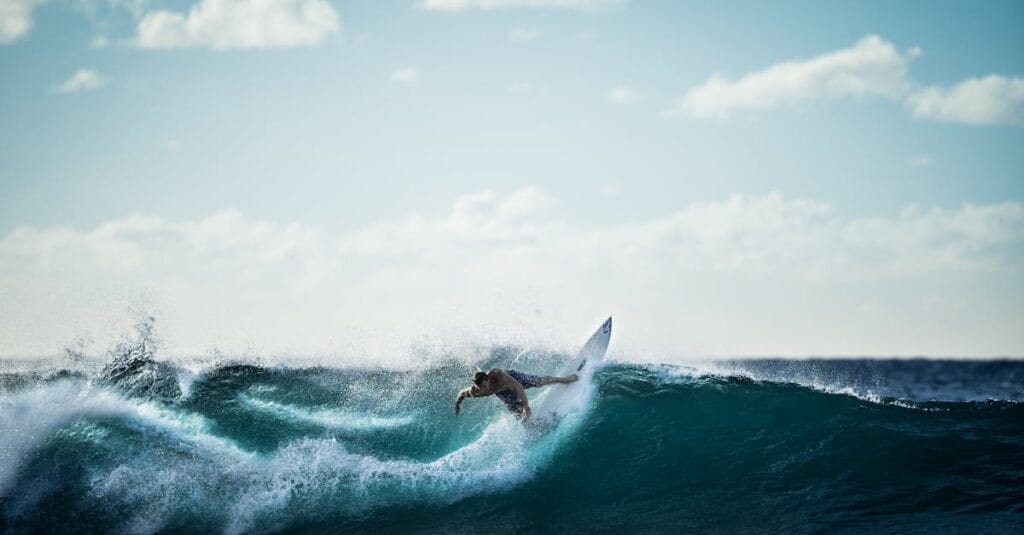
Why Surf in Amoreira?
Chilled, scenic and just a little off the main tourist radar, Amoreira is one of the most atmospheric surf spots near Aljezur. With its river mouth sandbanks, long sandy bay and wild dunes, it offers fun waves for different levels in a beautiful, unspoilt setting.
- Variety of waves – River-mouth banks and open beach breaks create lefts and rights: mellow, forgiving walls on smaller days, with punchier peaks when the swell and tide line up.
- Good for different levels – The inside of the bay and river side can be great for learners and rusty intermediates on small, tidy swells, while more experienced surfers can hunt stronger peaks further out or closer to the main sandbanks.
- Scenic setting – A dramatic mix of dunes, cliffs, river and ocean: surf with the Ribeira de Aljezur winding along the sand and big open skies all around.
- Relaxed vibe – Low-key surf crowd, a couple of seasonal cafés and a lot more space than big-name hubs like Ericeira or Peniche.
- Perfect for day trips – Easy to combine with nearby spots like Arrifana, Monte Clérigo or Odeceixe, giving you several wave options within a short drive.
Whether you’re after forgiving waves to practise your skills or a quiet escape with a striking river-meets-sea landscape, Amoreira delivers both in and out of the water.
- Flights: Find the Best Flight Deals to Faro or Lisbon
- Car Rental: Book Your Car Rental for Amoreira & Aljezur Coast
- Hotels: Check Hotels & Stays in Amoreira, Monte Clérigo & Aljezur
- Surf Camps: Join a Surf Camp Near Amoreira & Arrifana
- Activities: Book Fun Activities Around Amoreira & Vicentine Coast
- Tours: Discover Tours & Day Trips from Aljezur & Algarve
- Surf vibe: River-mouth surf beach near Aljezur, with a chilled, wild feel, rolling dunes and more space in the lineup than Portugal’s big-name hubs.
- Best surf season: October–April for more consistent NW swells and cleaner surf days; summer still brings fun, smaller waves and warmer water, great for relaxed sessions.
- Best beginner surf: Inside the bay and closer to the river on smaller days – gentle whitewater and forgiving walls, plus local surf schools and camps based around Amoreira/Aljezur.
- Top stays nearby:
- Villa Izabel Ocean View – Stylish villa with ocean views and plenty of outdoor space, a comfortable base for surfing Amoreira and nearby beaches. Check Prices & Dates
- H36 Pine Villa – Contemporary pine-framed villa surrounded by nature, ideal for families or small groups wanting a calm stay close to the coast. Check Prices & Dates
- Cairnvillas – Villa Mar C38 – Luxury villa with private swimming pool near the beach, perfect if you want extra comfort after long surf sessions. Check Prices & Dates
When to Surf in Amoreira?
You can surf Amoreira all year, but the feel of the waves changes a lot by season. As a west-facing, exposed river-mouth and beach break, it picks up plenty of Atlantic swell – from soft summer peelers to heavier, rippy days – so the “best” time really depends on your level and what you’re looking for.
- Summer (June–August) – Smaller, friendlier Amoreira surf: warmer water, softer peaks and lots of whitewater inside the bay and by the river side. It’s a great time for beginners, surf camps, mini-mals, soft-tops and longboards. Just keep in mind that when the swell jumps above the small range and the wind is strong, rips can still get active.
- Autumn (September–November) – Often the sweet spot. The ocean stays relatively warm, the crowds thin out and regular NW/W swells start to pulse through. Expect anything from chest-high fun waves to punchier overhead peaks on the main sandbanks. This is a great window for confident intermediates who want more power without stepping into the heaviest west-coast setups.
- Winter (December–February) – Amoreira shows a heavier side: stronger Atlantic swells, more push in the wave and rips that can get intense, especially around the main banks and near the river channel. On solid swells, sets can be overhead and the paddle-out more demanding. These days are best left to experienced surfers who are comfortable in powerful beach breaks.
- Spring (March–May) – A transition season with a mix of leftover winter pulses and calmer spells. Good if you want fewer people, cool but manageable water temps and a range of conditions from playful waist-to-shoulder-high days to more solid sessions when systems roll through.
If you’re a beginner or lower intermediate, aim for late spring to early autumn and focus on small, tidy days inside the bay and by the river. If you’re an intermediate or advanced surfer chasing more powerful Amoreira surf, autumn and winter are when the main sandbanks and outer peaks really come to life.
Discover Amoreira: Scenic Beach Views
Watch the panoramic video below to get a real feel for Praia da Amoreira before you paddle out. From above you can see the Ribeira de Aljezur winding along the sand, the wide bay opening to the Atlantic, the shifting sandbanks and the wild dunes that frame the beach. It’s the perfect way to spot where the peaks usually break, understand the river–meets–sea layout, and soak up the raw, scenic vibe that makes Amoreira one of the most atmospheric surf spots near Aljezur.
Amoreira Surf Conditions: Waves, Tides & Wind in the Lineup
Praia da Amoreira is a classic river-mouth + open beach break. Sandbanks shaped by the Ribeira de Aljezur create lefts and rights along a wide bay, with softer sections inside and by the river on small days, and punchier peaks further out when the swell and tide line up. Most days you’ll find at least one workable bank for a fun Amoreira surf session if you’re willing to move a little up and down the beach.
Break Layout – River Side vs Open Bay
On smaller swells, the inside of the bay and the river side tend to be gentler: lots of whitewater and rolling shoulders that work well for first lessons, soft-tops and mini-mals. When the swell picks up, more powerful peaks form on the main sandbanks further out, with quicker take-offs and more drive down the line. This is where confident intermediates and advanced surfers usually sit, especially around mid tide.
Swell, Wind and Tides
Amoreira faces the open Atlantic and is highly exposed to NW and W swells, which means it picks up a lot of energy compared with more sheltered south-coast beaches.
- Swell: Works best on NW–W swells with moderate periods.
- Wind: East and northeast winds are generally the cleanest here, giving offshore or cross-off conditions. Strong onshores or northerly winds can quickly make it bumpy and more challenging.
- Tide: The spot can be surfed on all tides, but the character changes. Mid tides often give a good balance of shape and paddle-out. Very low tide on a solid swell can feel faster and more hollow; high tide can sometimes fatten the wave depending on the banks.
Power, Rips and Currents
Although Amoreira often looks mellow from the car park, there’s plenty of power in the wave when the swell is above the small range. The combination of river flow and shifting sandbanks means rips are a key feature: they can help you get out on bigger days, but they can also pull you out of position or down the beach if you’re not paying attention.
Beginners should stay in the inside, smaller sections on calm days and avoid the heavier impact zone and stronger channels when the swell jumps. Intermediates and advanced surfers will appreciate the extra push and longer rides on the main banks, but still need to read currents carefully.
Crowds and Vibe in the Water
Amoreira surf is popular but usually feels more spread out than compact bays. In summer and on sunny weekends you’ll see:
- Surf schools working the inside and river side
- A mix of locals, surf camps and travelling surfers across the peaks
Outside peak season, lineups are often quieter, especially early or late in the day. Respect normal surf etiquette, give schools some room and you’ll usually find a relaxed, low-key atmosphere.
Who Amoreira Surf is Best for
- Beginners: On small, tidy days inside the bay and near the river, ideally with a surf school.
- Lower/intermediates: Great spot to build confidence, practise take-offs, trimming and first turns on forgiving walls.
- Intermediates/advanced: With a bit more swell and the right tide, the outer sandbanks offer more powerful walls and fun, rippable peaks without being as heavy as some of the more exposed west-coast reefs.
Use the summary table below to quickly check the ideal swell, wind, tide and season for planning your next Amoreira surf session.
Facilities
Car Park
WC
Bar / Restaurant
Surf Shop
Surf School
Surf Level
Wave Direction
Right and Left
Tide
All tides
Swell
Northwest, West
Wind
East, Northeast
Bottom
Sand and Rocks
Season
All year
Consistency
Localism
Crowd
Average Water Temperature
Summer: 20.3°C
Autumn: 19.3°C
Winter: 15.9°C
Spring: 16.5°C
Live Surf Forecast for Amoreira Beach
Use the live surf forecast below to check today’s Amoreira surf at a glance – swell height, period, wind and tides for the next few days. It’s the easiest way to see if the river-mouth banks are lining up for mellow learner waves or punchier peaks further out, and to time your session around the best conditions for your level.
Amoreira Live Webcam 24/7
Use the Amoreira live webcam (24/7) below to see real-time conditions on the beach – waves, banks, crowds and wind on the face. It’s ideal for checking if the tide is right, how busy the lineup looks, and whether it’s worth grabbing your board now or waiting for a better window later in the day.
How to Get to Amoreira: Location & Directions
Praia da Amoreira is a stunning beach destination located on the Algarve coast of Portugal. Known for its dramatic cliffs, pristine sands, and the scenic Aljezur River that meets the Atlantic Ocean, Praia da Amoreira offers an idyllic retreat for surfers, nature lovers, and those seeking tranquility. Unlike the bustling beaches of the Algarve, Praia da Amoreira maintains a laid-back, untouched charm perfect for both adventure and relaxation.
Praia da Amoreira is accessible from both Lisbon and Faro, with scenic routes offering beautiful views along the way. It is approximately 240 kilometers from Lisbon and around 115 kilometers from Faro. Whether you choose to drive or use public transportation, your journey will be filled with picturesque landscapes and charming towns.
To find out how to get to Praia da Amoreira, check out the Location & Directions section on our main page, Algarve Surf Travel Guide. Use the embedded Google Maps tool below to easily navigate to Praia da Amoreira and start your adventure.
Ready to embrace the natural beauty and surf-friendly waves of Praia da Amoreira? Pack your essentials, plan your trip, and get ready to discover one of Portugal’s hidden coastal treasures!
Plan Your Surf Trip to Amoreira
Planning your surf trip is easier when everything’s in one place. Use this guide to organize your perfect getaway to Amoreira, a chilled river-mouth surf beach near Aljezur with dunes, wide sands and plenty of space in the lineup.
Found this guide helpful? Share it with friends who’d love Amoreira too.
FAQ: Surfing & Travel Tips for Amoreira
What surf level is Amoreira best for overall?
Most of the time it’s ideal for lower- to mid-intermediate surfers: if you can paddle out, catch green waves and ride along the face, you’ll have a lot of fun. When the swell and tide line up, more experienced surfers can score faster, steeper peaks on the main sandbanks.
When is the best time of year to surf Amoreira?
For consistency, aim for autumn to spring (roughly October–April) when NW swells are frequent. You’ll still get fun, smaller surf in summer — great for longboards, soft-tops and relaxed holiday sessions, less so if you’re chasing powerful waves.
What kind of waves can I expect at Amoreira?
Amoreira is a river-mouth + beach break with sandbanks that create lefts and rights along a wide bay. On small days you’ll usually find softer, rolling waves and lots of whitewater inside the bay and near the river — great for learners and intermediates. With a bit more swell, the outer sandbanks serve up more powerful, rippable peaks that suit confident intermediates and advanced surfers. Expect mostly sand-bottom waves, with the character changing a lot with swell size, tide and rips.
Which board should I bring to Amoreira?
If you’re not a hardcore shortboarder, bring something with a bit of volume:
Longboard / foamie: perfect for small summer days and true beginners
Funboard / fish: great all-rounder for waist–chest-high surf
Shortboard: best for winter or stronger swells when the banks are more powerful
For one-board quivers, an intermediate-friendly funboard or fish is usually the safest bet.
What wetsuit do I need?
Water here is like the rest of Portugal’s west coast:
Summer (Jun–Sep): 3/2 mm full suit is usually spot on; a shorty on the very hottest days if you don’t feel the cold.
Spring/Autumn (Apr–May & Oct): 3/2 or 4/3 mm depending on wind and your tolerance.
Winter (Nov–Mar): 4/3 mm, often with booties on the coldest and windiest days.
Are there surf schools and rentals at Amoreira?
Yes. You’ll find surf schools and camps based around Amoreira, Monte Clérigo and Aljezur, offering:
Group and private lessons
Board rental (soft-tops, longboards and performance shapes)
Wetsuit rental
In July–August and school holidays, pre-booking is a good idea.
Does Amoreira get crowded?
It can, but usually feels less intense than Portugal’s major hubs:
High season: more learners and surf camps in the water, especially inside the bay.
Off-season: line-ups are generally quieter, and the long beach means you can often walk a bit and find a less-crowded peak.
Are there any hazards I should know about?
Main things to be aware of:
Rips and currents, especially around the river mouth and on bigger swells
Strong shorebreak at low tide or with solid swell — can be heavy for beginners
Shifting sandbanks that move channels and peaks around
Always check the flags and follow lifeguard advice in the bathing season; if in doubt, ask a local surf school where it’s safest that day.
Is Amoreira family-friendly?
Yes. Amoreira is popular with families thanks to:
The river area, which can be calmer and shallower on the inside
A big sandy beach for playing and relaxing
Lifeguards in high season (in the main bathing areas)
For kids and non-surfers, stick to the gentler river side or small surf days, and avoid obvious currents.
What facilities and parking are there at Amoreira?
Typically you’ll find:
Parking area near the beach (can get busy in August)
One or more beach cafés/restaurants (seasonal)
Wooden walkways and viewpoints
Toilets in high season
It’s a short walk from the parking to the sand, but you’ll be going up and down some ramps, so plan accordingly if you’re loaded with boards and gear.
Where should I stay if I want to surf Amoreira?
You’ve got a few good bases:
Near Amoreira / Monte Clérigo: easiest for dawn patrols and quick surf checks
In Aljezur: more restaurants, supermarkets and year-round services; a short drive to several beaches
Villas and rural stays nearby: quieter, often with pools and garden space — perfect if you’re in a group or staying longer
Surf Spots Near Amoreira
One of the best things about staying near Amoreira is how easy it is to link it with other west-coast surf beaches on the same trip. With a car, you can choose the best spot each day depending on swell size, tide and wind.
- Monte Clérigo – Just down the road from Amoreira, with a more compact bay, mellow peaks on smaller days and a cosy village vibe. Great for mixed-level groups and cruisy sessions.
- Arrifana – A cliff-backed horseshoe bay with a strong surf-town feel, consistent peaks and plenty of surf schools and camps. Ideal if you want a livelier surf scene and long right-hand walls on the right swell.
- Odeceixe – Another river-mouth beach just to the north, with scenic cliffs and sandbanks shaped by the Seixe River. Good mix of learner-friendly inside sections and punchier peaks towards the river.
- Vale Figueiras – Long, exposed beach break that picks up a lot of swell and often has powerful walls and stronger rips. Best for confident intermediates and advanced surfers.
- Bordeira & Amado – Dune-backed west-coast classics near Carrapateira. Bordeira offers a vast, wild bay with multiple peaks; Amado is a more concentrated “surf hub” with surf schools and camps on the sand.
Use our individual surf spot guides to compare conditions, crowds and places to stay around Amoreira and build a flexible Algarve west-coast surf itinerary.
Explore More Surf Spot Guides in the Algarve
Related Algarve Travel Guides
Best Surf Camps in Lagos – Top 5 Picks
Planning a surf trip to the Algarve? This guide to the best surf camps in Lagos helps…
Best Hotels Near Amado & Bordeira (Carrapateira)
Hotels near Amado Beach in the Algarve put you minutes from two of the region’s most reliable…
Aljezur Surf Camps with Lessons – 7 Best
Dreaming of surf sessions at sunrise, yoga at sunset, and fresh seafood in between? Aljezur set inside…
Best Surf Camps in the Algarve
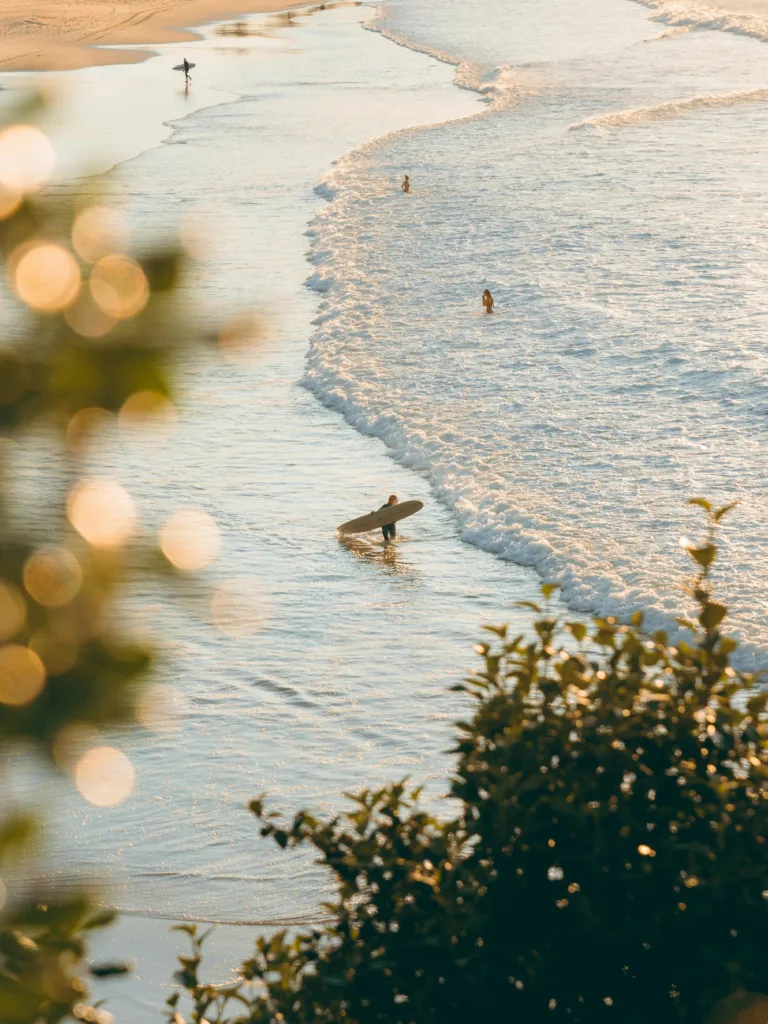
Dreaming of golden sands and perfect waves? The Algarve is calling! As a world-renowned surfing destination with…
Hotels Near Arrifana Beach (Surf-Friendly)
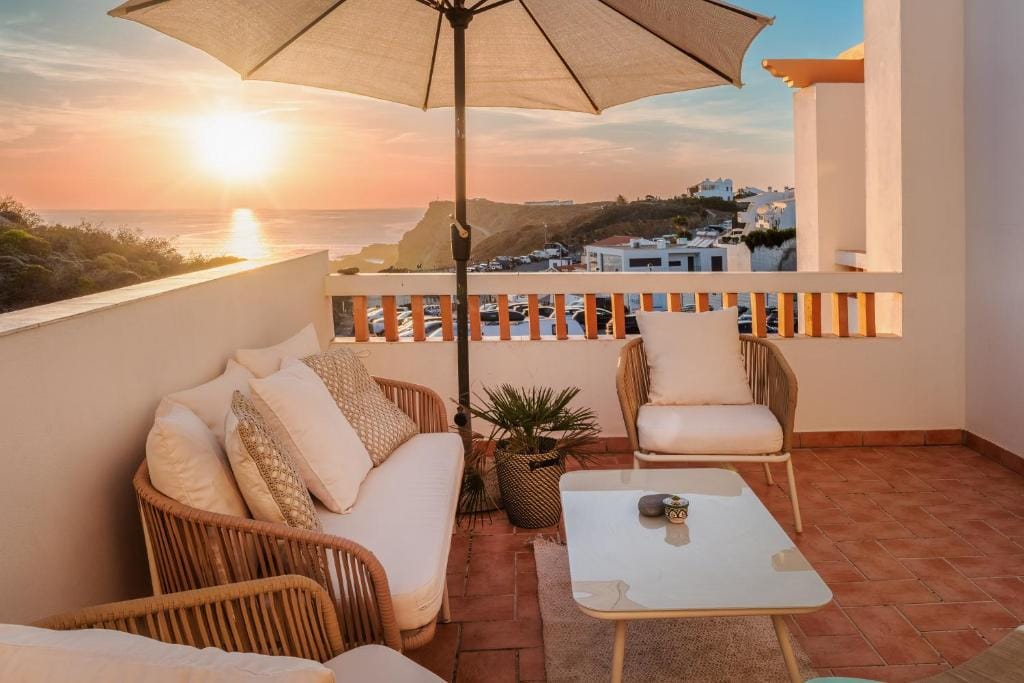
Hotels near Arrifana Beach put you right by one of Portugal’s most photogenic surf bays—cliff-backed, wave-rich, and…
Sagres Surf Hotels: Where to Stay for Easy Waves & Wild Views
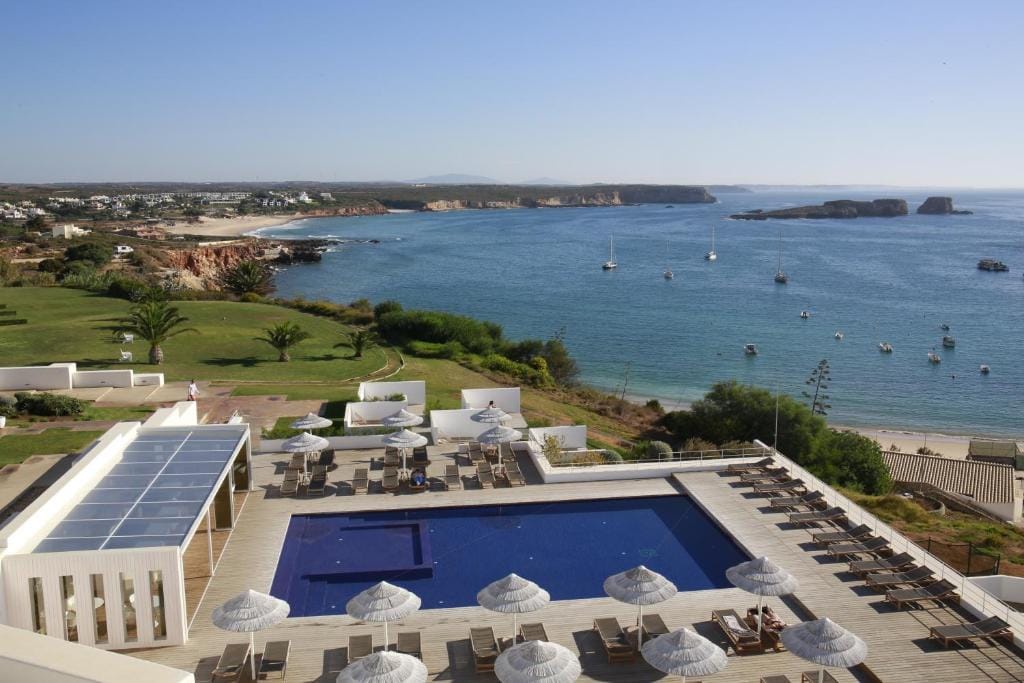
Sagres surf hotels are all about rolling out of bed to sea cliffs, sandy coves, and two…