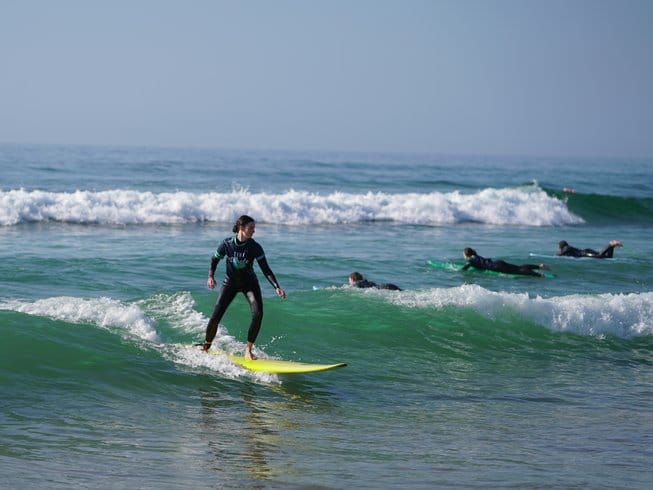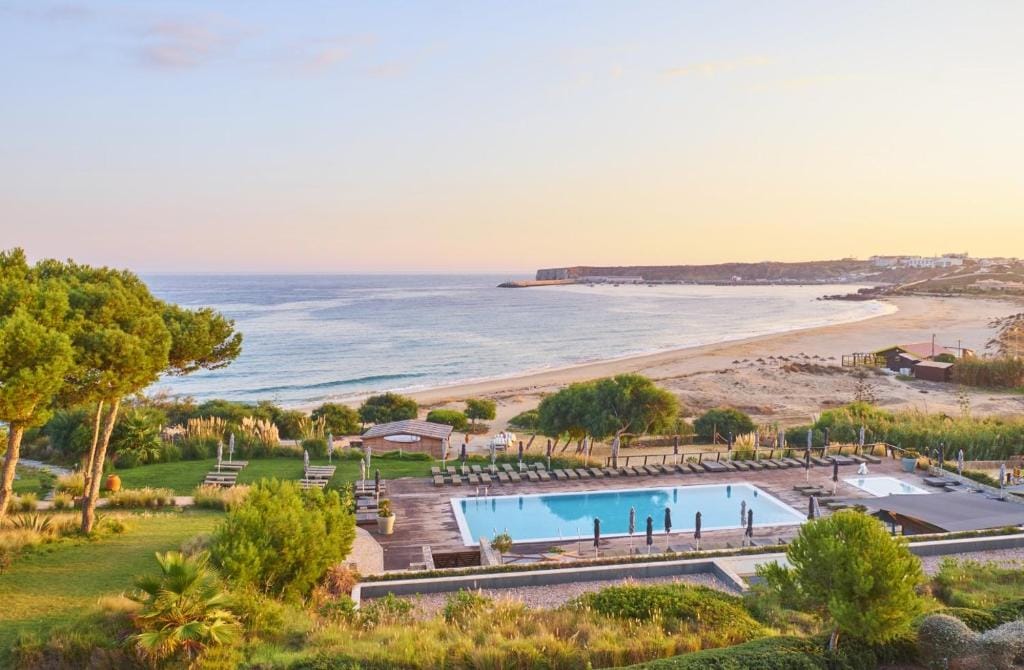
From the rugged coastline around Sines and Porto Covo to the remote beaches of Vila Nova de Milfontes and Zambujeira do Mar, the Alentejo offers a unique surf experience with a variety of breaks for all levels. Whether you’re seeking challenging waves or mellow beach breaks, Alentejo has something for everyone.
This guide will help you plan your Alentejo surf trip, providing key insights on local surf spots, the best surf seasons, and recommendations for accommodations and surf schools.
For detailed information on surfing in Alentejo region, including the best surf spots, surf map, tips, and local knowledge, check out our Alentejo Surf Spot Guide.
- Why the Alentejo Is Portugal’s Hidden Surf Paradise
- Alentejo Weather & Surf Seasons – Best Time to Visit
- How to Get to Alentejo: Directions and Travel Tips
- Where Can I Learn to Surf in Alentejo?
- Surfboard & Wetsuit Rentals in Alentejo – Where to Get Gear
- Alentejo Surf Camps: Find the Perfect Camp for Your Budget
- Best Places to Stay in the Alentejo – Hotels & Surf-Friendly Stays
- Car Rentals in the Alentejo – How to Explore the Blue & Vicentine Coasts
- Travel Insurance for Alentejo Surf Trips – Stay Protected
- Best Things to Do in the Alentejo – Adventure & Culture Guide
- Top Attractions in the Alentejo & Best Day Trips Nearby
- Best Surf Spots Near the Alentejo – Algarve, Lisbon & Beyond
- Your Alentejo Surf Trip FAQ – Everything You Need to Know
- Related Alentejo Travel Guides
Some of the links on this website are affiliate links — if you book through them, we may earn a small commission (at no extra cost to you). This helps us keep the site running and create even more useful content for travelers like you. If you’ve found our work helpful and wish to support us further, you can also make a small donation via PayPal. Every bit counts — thank you!
Spread the word about the Alentejo
Why the Alentejo Is Portugal’s Hidden Surf Paradise
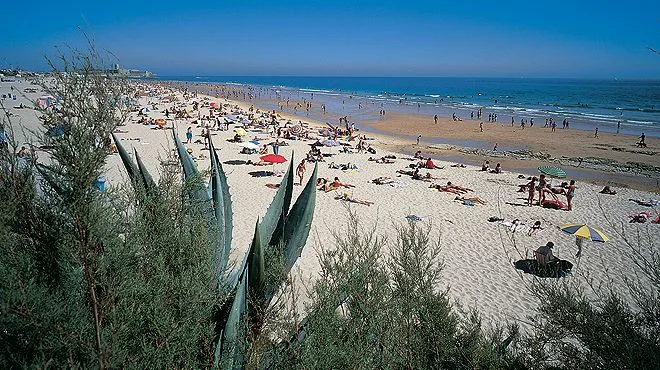
With wild, uncrowded beaches, dramatic cliffs, and a laid-back rural vibe, the Alentejo offers a surf experience far from the crowds. From mellow waves perfect for learners to powerful Atlantic swells, it’s the ideal destination for surfers seeking authenticity, nature, and space to breathe.
- Flights: Find the Best Flight Deals
- Car Rental: Book Your Car Rental in Alentejo
- Hotels: Check Hotels & Stays in Alentejo
- Surf Camps: Find Your Ideal Surf Camp in the Alentejo
- Activities: Book Fun Activities in Alentejo
- Tours: Discover Tours & Day Trips from Alentejo
- Surf season: September – April (consistent swells, fewer crowds, milder climate).
- Best beginner surf: Vila Nova de Milfontes & Malhão Beach – mellow, sandy breaks with surf schools nearby.
- Best advanced surf: São Torpes & Aivados – powerful beach and reef breaks with strong swells, ideal for experienced surfers.
- Top hotels & stays:
Alentejo Weather & Surf Seasons – Best Time to Visit
The Alentejo coast, with its raw beauty, offers a wilder surf experience with consistent conditions.
- Summer: Calm, sunny days with smaller swells—ideal for beginners and longboarders.
- Autumn: Excellent swell consistency and pleasant temperatures.
- Winter: Powerful Atlantic storms create epic, challenging waves.
- Spring: Reliable swells with less wind, making for great surf days.
How to Get to Alentejo: Directions and Travel Tips
Alentejo, a beautiful region just south of Lisbon, is a haven for surfers seeking uncrowded beaches and pristine waves. Whether you’re looking for beach breaks in Vila Nova de Milfontes or exploring the dramatic coastline near Arrábida, Alentejo offers a unique surf experience.




Where Can I Learn to Surf in Alentejo?
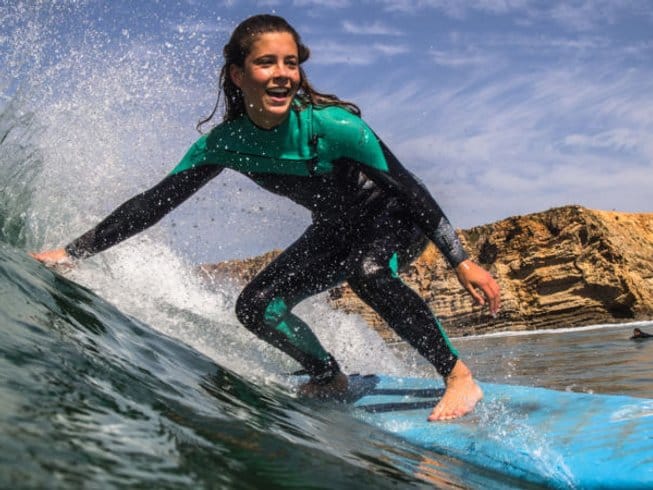
Ready to catch some epic waves? The Alentejo is the perfect classroom for all levels.
Why Book a Surf Lesson?
- Expert Instructors: Certified coaches focused on your safety and progress.
- Tailored Lessons: Suitable for all levels, from beginners to advanced surfers.
- Equipment Included: Surfboards and wetsuits provided in most lessons.
Check out our handpicked surfing lessons:
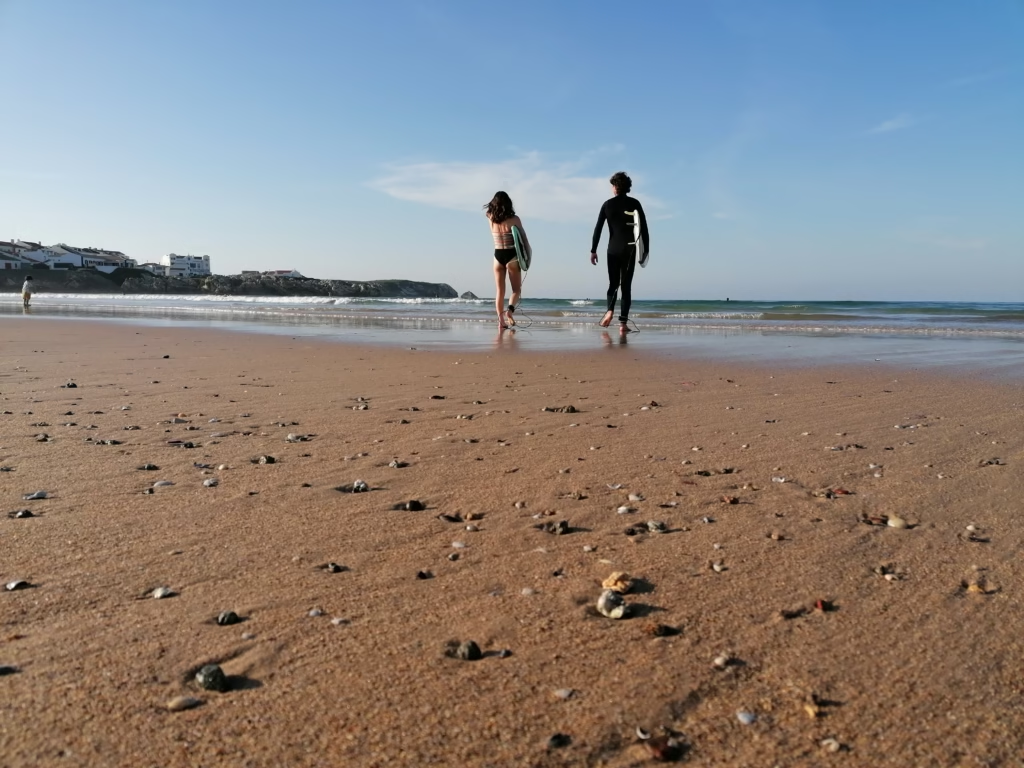
Surfboard & Wetsuit Rentals in Alentejo – Where to Get Gear
Planning to surf in Alentejo? Renting surf gear is the easiest way to hit the waves without the hassle of traveling with your own equipment.
Why Rent Surf Gear?
- Convenience: No need to carry bulky boards or wetsuits.
- Affordable: Perfect for short trips or trying different board styles.
- Flexibility: Choose from a variety of boards for all skill levels.
- Local Tips: Get insider advice on the best surf spots from rental staff.
Alentejo Surf Camps: Find the Perfect Camp for Your Budget
Dreaming of an epic surf trip in Portugal’s most authentic coastal region? The Alentejo offers uncrowded beaches, raw nature, and surf camps designed to help you progress in the waves while enjoying the laid-back lifestyle.
Whether you’re chasing green waves for the first time or fine-tuning your style, here are top camps to check out:

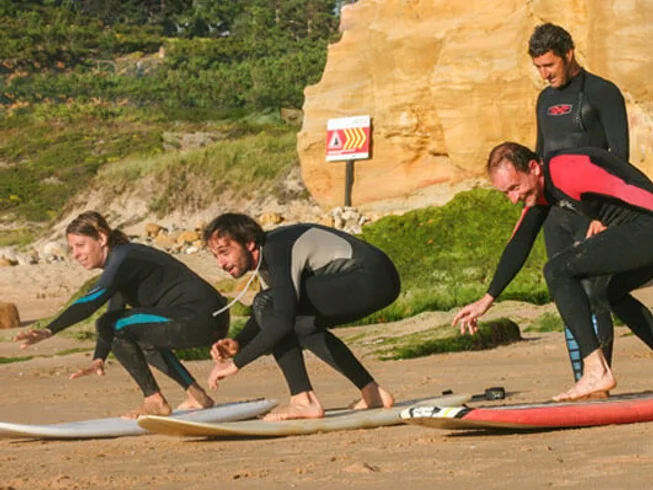

Why Book a Surf Camp in the Alentejo?
- Learn Faster: Daily coaching adapted to your level helps you progress in just a few days.
- Stay Stress-Free: Accommodation, meals, and surf gear are often included for a hassle-free trip.
- Meet Like-Minded Travelers: Connect with an international surf community and make new friends.
- Experience the Real Alentejo: Surf uncrowded waves while enjoying authentic Portuguese culture and landscapes.
Looking for more options?
Explore accommodations ideal for surfers, from budget hostels to beachfront stays, on Booksurfcamps.com Surf Accommodation Finder.
Know someone planning a surf trip to Alentejo?
Share these stays with them!
Best Places to Stay in the Alentejo – Hotels & Surf-Friendly Stays
Planning a surf getaway or a relaxing escape to the Alentejo?
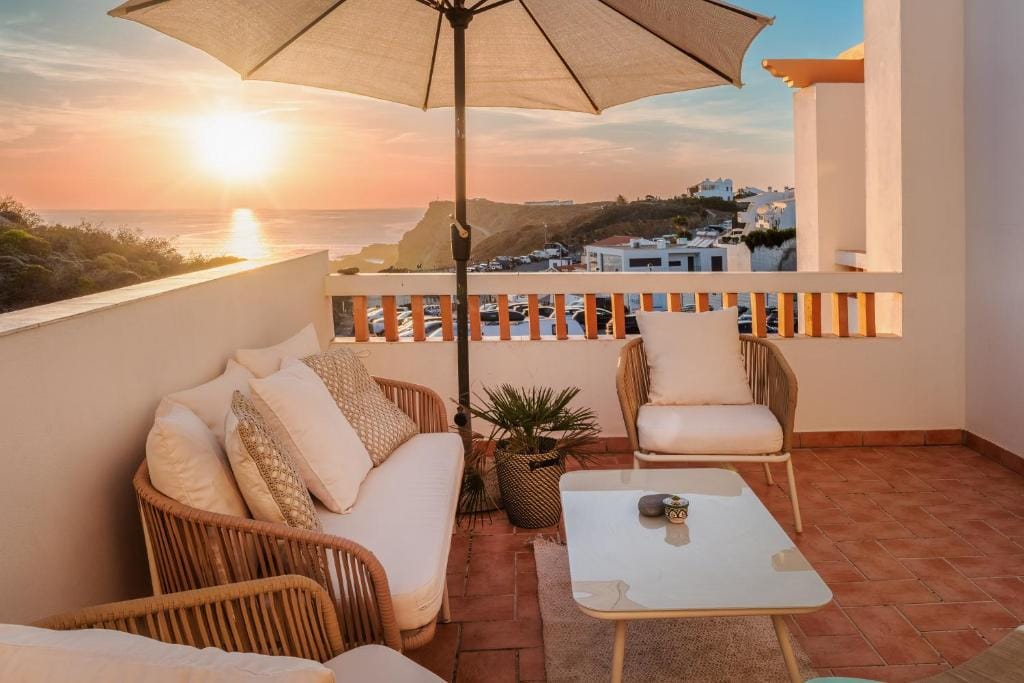
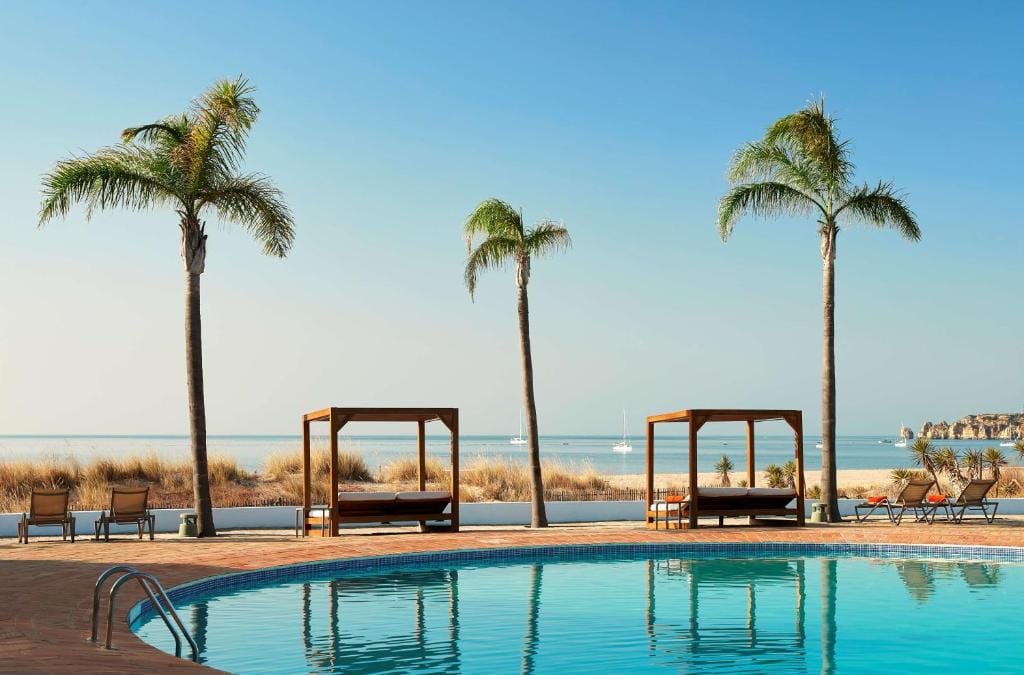
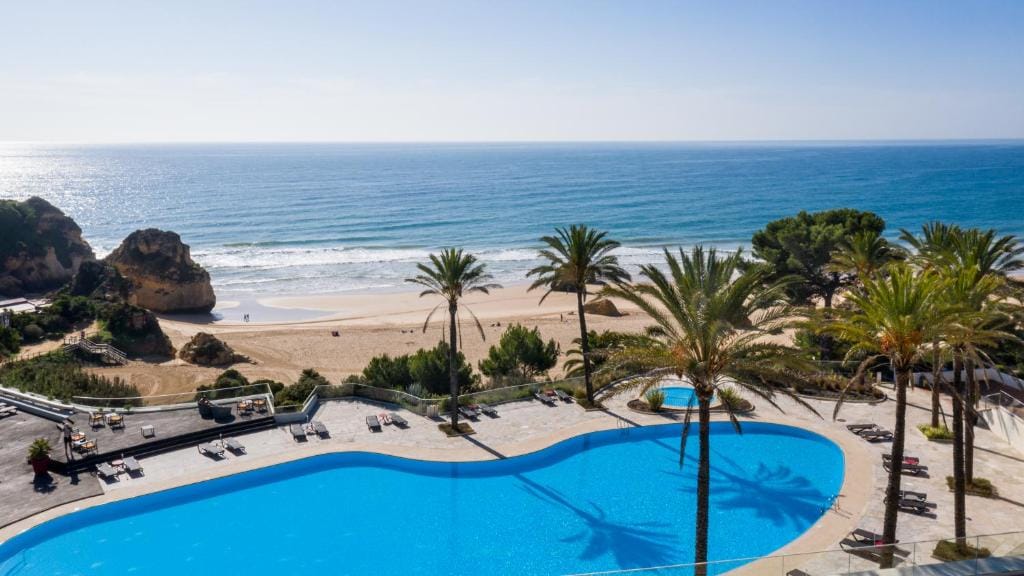
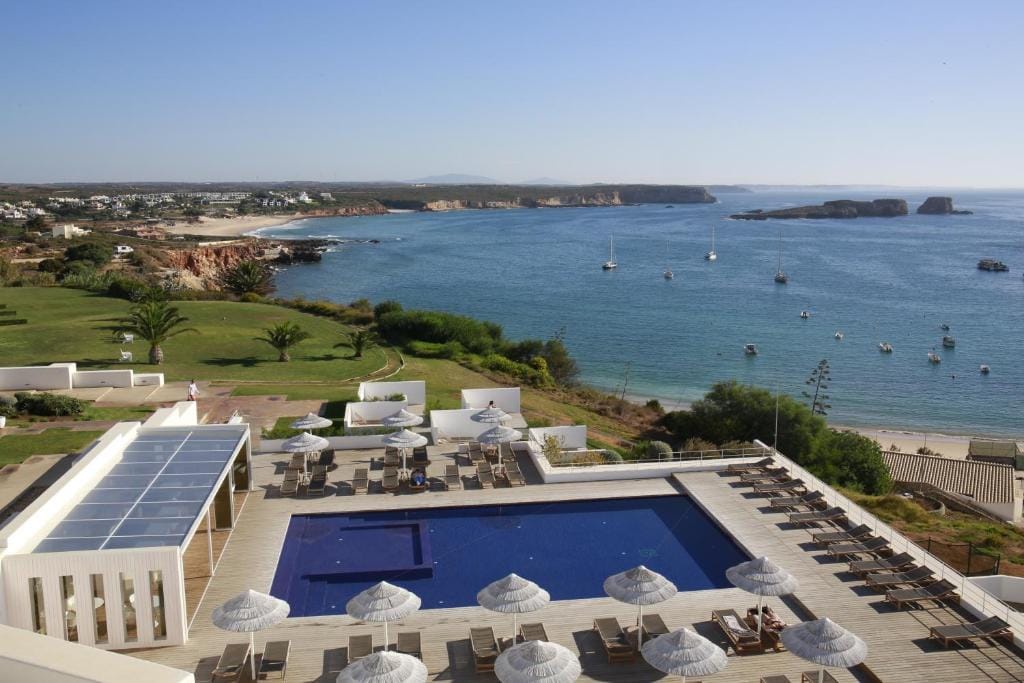
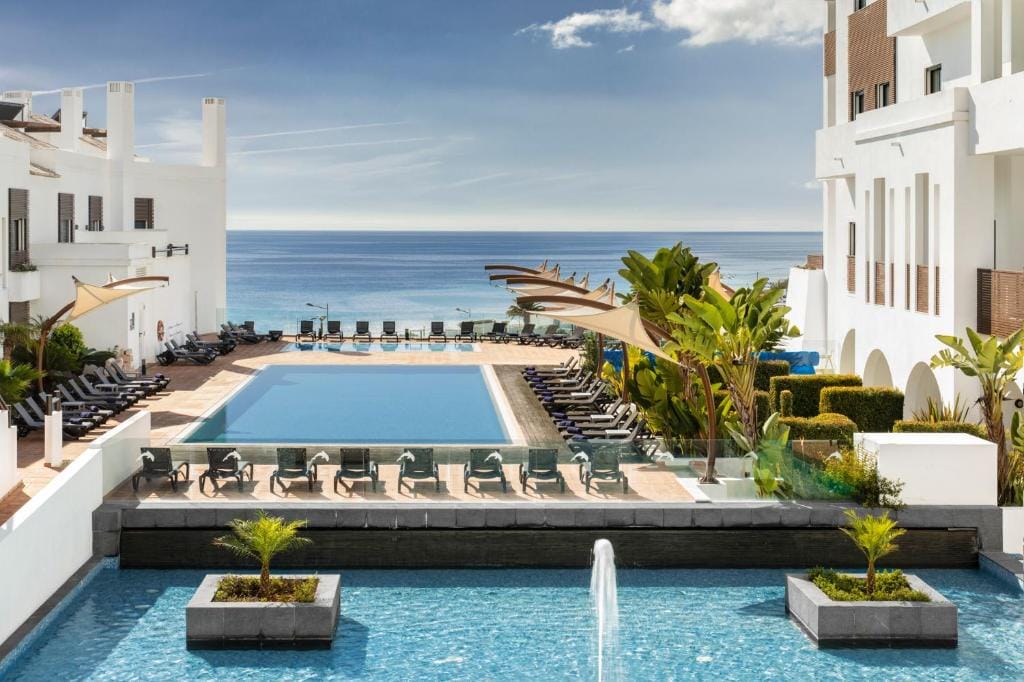
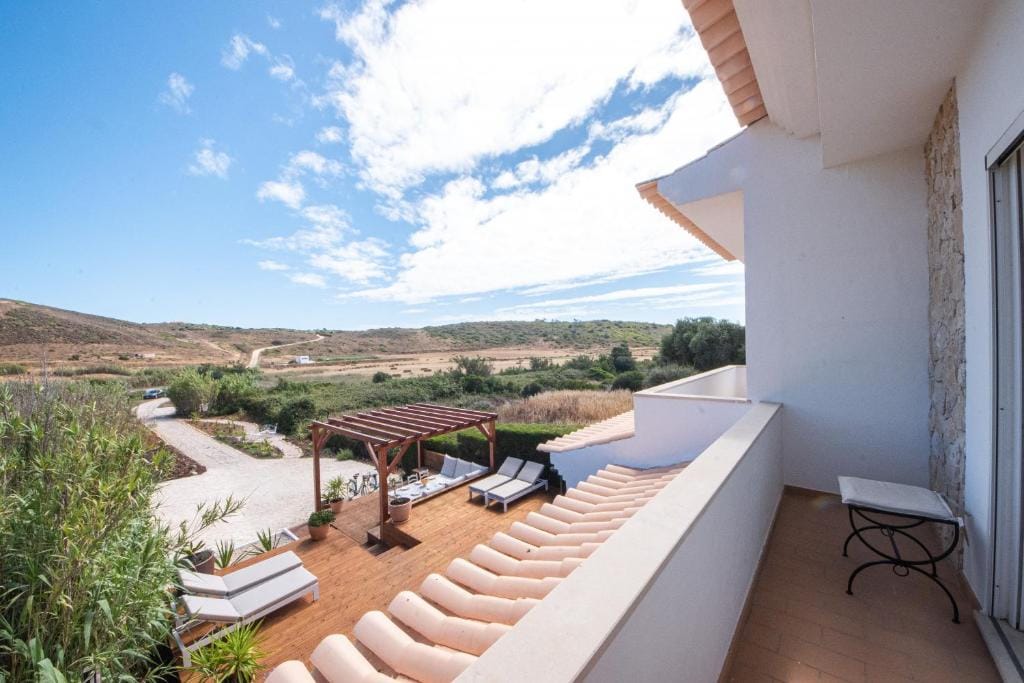
From boutique studios in Milfontes to romantic retreats in Comporta and cozy lodges in Zambujeira do Mar, this region offers authentic stays that combine comfort, charm, and easy access to Portugal’s uncrowded surf beaches.
Here are our handpicked picks:


Find Your Perfect Stay in the Alentejo
From boutique studios in Milfontes to romantic retreats in Comporta and cozy farm lodges in Zambujeira, the Alentejo has a stay for every kind of surf traveler. Whether you’re coming with family, your partner, or traveling solo, you’ll find comfort, authenticity, and easy access to Portugal’s wildest surf beaches.
See all Alentejo hotels on Booking.com and secure your stay today.
Know someone looking for a great place to stay in Alentejo?
Share these stays with them!
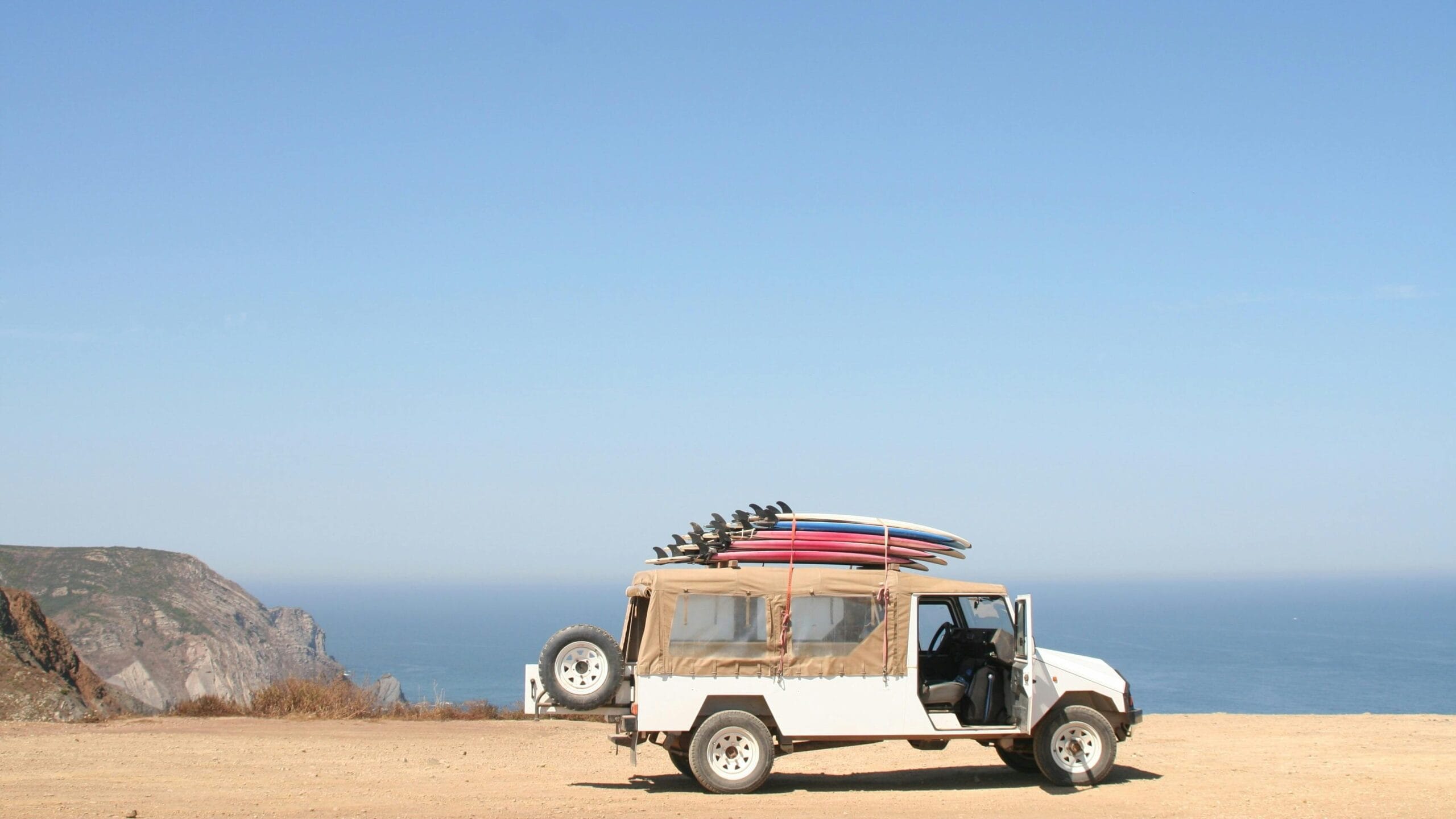
Car Rentals in the Alentejo – How to Explore the Blue & Vicentine Coasts
The best way to uncover the Alentejo’s magic is on four wheels. Renting a car gives you the freedom to wander from the tranquil Blue Coast around Comporta and Troia, with its sandy beaches and rice fields, down to the wild beauty of the Vicentine Coast, home to rugged cliffs, hidden coves, and some of Portugal’s most uncrowded surf spots. Whether you’re chasing waves, planning scenic road trips, or discovering charming villages along the way, a car rental opens the door to the authentic Alentejo experience.

Travel Insurance for Alentejo Surf Trips – Stay Protected
Travel health insurance is essential when planning your surf adventure to Alentejo. Whether you’re hitting the waves or exploring the stunning coast, accidents can happen, and it’s important to be prepared. With travel health insurance, you’ll have peace of mind knowing that you’re covered for medical emergencies, accidents, or unexpected health issues while traveling.
Why Choose Ekta Traveling Insurance?
- Comprehensive Coverage: Get coverage for medical emergencies, hospital stays, and even repatriation if needed.
- Affordable Plans: Tailor your insurance to suit your budget, ensuring you’re protected without overspending.
- 24/7 Support: Ekta Traveling offers round-the-clock assistance, so you can surf and explore Alentejo worry-free.
Make sure you’re protected during your surfing trip to Alentejo by choosing the right travel health insurance.
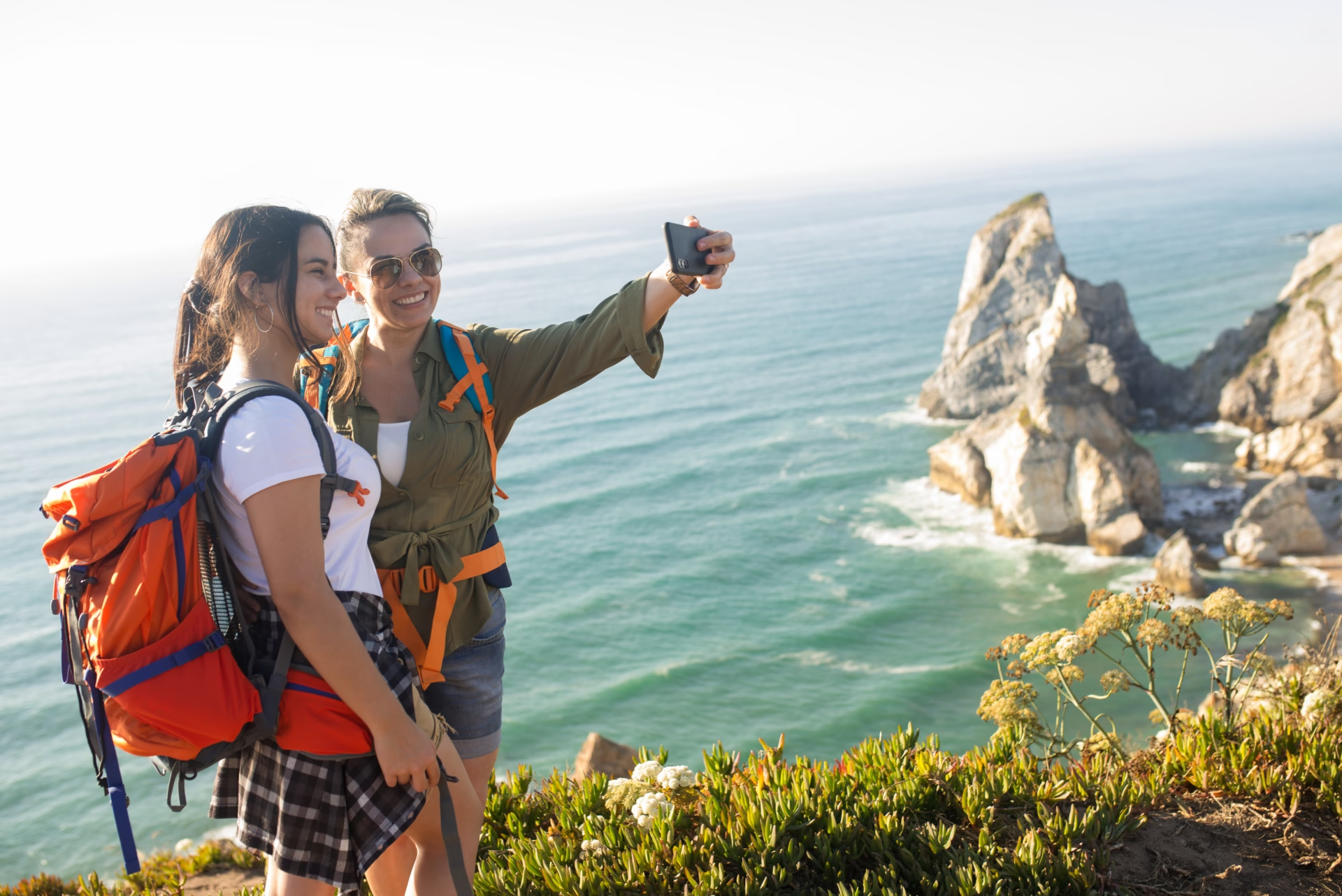
Best Things to Do in the Alentejo – Adventure & Culture Guide
Alentejo is a region of breathtaking landscapes, rich history, and unique cultural experiences. Whether you’re exploring the rolling hills on horseback, tasting traditional amphora wine, or soaring above the countryside in a hot air balloon, there’s something for every traveler.
Experiences below cover the Alentejo and select nearby Blue/Vicentine Coast highlights for easy day trips.
- Sesimbra: Arrábida Dolphin Watching Boat Tour with Biologist – Discover the wilderness of the Arrábida Natural Park on a boat tour in Sesimbra. Spot marine birds, dolphins and sometimes even whales while learning about these creatures with a marine biologist.
- Costa Alentejana: Horse tour in Serra de Grândola – Explore the Montado Alentejano on a horseback riding tour with amazing ocean scenic view. Try Portuguese Wine from Alentejo as welcome drink.
- Borba: Winery Tours and Amphora Wine and Snacks Tasting – Enjoy a incredible tour through Adega Cooperativa de Borba. Visit Casa Museu Interativa de Borba and experience a exquisite Amphora Wine and Local Products Tasting.
- Sines: Private Guided Hike in the Costa Alentejana – Explore the Costa Vicentina Natural Park on a private guided hike. Enjoy the peace and tranquility of the natural surroundings as you take in the breathtaking views of the rocky cliffs and the sea.
- Alentejo: Private Hot Air Balloon Sunrise Flight – Discover the magic of Alentejo in a private hot air balloon flight at sunrise. Enjoy the silence and the amazing aerial views over Monsaraz Castle and Alqueva Lake.
- Marvão: Buggy & Quad Tours – Explore Marvão and find out more about our history and patrimonial heritage. With many cultural knowledge you can combine it with pure adventure with amazing landscapes.
- Horse Riding on the Beach – Enjoy a unique horse riding along the the beach, dunes and pine forest of the virgin area of Melides.
- Kayak and Paddle Tour in Marvão – Explore the waters of the Apartadura dam and enjoy the surrounding landscape.

Top Attractions in the Alentejo & Best Day Trips Nearby
Explore the best of Alentejo with these unforgettable experiences, from historic cities to breathtaking coastal landscapes. Whether you’re interested in cultural heritage, wine tasting, or stunning nature, these activities offer a deeper connection to the region.
Check our handpicked selection of Atractions:
- Cork Factory, Wine Tasting & Évora Visit – Visit a family-run cork factory, experience some of the best wines from the Alentejo region and visit the beautiful city of Évora!
- Tour of Évora: Unesco World Heritage Site – This tour is for wine lovers. In a medieval city with Roman monuments surrounded by wineries. Wineries rich in Portuguese history and tradition.
- Sines and Porto Covo: discover Costa Vicentina with a local – Visiting these towns with a local guide offers benefits beyond the typical tourist experience, providing an authentic and immersive journey into the heart and soul of these remarkable destinations.
- From Lisbon: Vicentine Coast Exploration – Embark on a 12-hour journey to explore the unspoiled beauty of the Vicentine Coast in Alentejo.
- From Lisbon: Small-Group Day Tour to Évora and Arroiolos – A return to the past that takes us to the megaliths of the Cromlech dos Almendres (Closed Temporary / Replaced by the Medieval Town Arraiolos) and to the historic center of Évora.
Found this guide helpful? Share it with friends who’d love the Alentejo too.
Best Surf Spots Near the Alentejo – Algarve, Lisbon & Beyond
Planning a road trip? Extend your surf adventure:


Your Alentejo Surf Trip FAQ – Everything You Need to Know
We know planning your surf trip can come with a lot of questions. To make your experience even smoother, we’ve gathered the most common queries from surfers and visitors like you.
What is the Alentejo region known for?
The Alentejo region in Portugal is known for several things, making it a captivating destination for various travelers. Here are some highlights:
Untouched natural beauty: Alentejo boasts vast plains, rolling hills, cork oak forests, and a stunning coastline with secluded beaches. It offers a refuge for nature lovers and those seeking a peaceful escape.
World-class wines: Alentejo is a renowned wine region, producing bold reds, crisp whites, and unique varietals. Wine tourism is a major draw, with vineyards offering tours, tastings, and charming countryside stays.
Rich history and culture: Explore historical towns like Évora, a UNESCO World Heritage Site, with Roman ruins, medieval walls, and a captivating chapel adorned with bones. Alentejo’s cultural heritage is evident in its traditional architecture, folklore, and delicious cuisine.
Relaxed pace of life: Alentejo is known for its slow and easy-going atmosphere. It’s a perfect place to unwind, disconnect from the hustle and bustle, and savor the simple pleasures of life.
Off-the-beaten-path charm: Compared to the Algarve’s tourist crowds, Alentejo offers a more authentic Portuguese experience. Explore charming villages, interact with friendly locals, and discover hidden gems off the main tourist trail.
Foodie paradise: Alentejo’s cuisine is a delight, featuring fresh local ingredients, flavorful dishes like açorda (bread stew) and gaspacho (cold tomato soup), and delectable cheeses and cured meats.
Surfing haven: The western coast of Alentejo offers hidden coves and beaches with excellent surfing conditions, attracting surfers seeking a less crowded alternative to the Algarve.
Horseback riding: Explore the Alentejo countryside on horseback, a traditional way to experience the vast plains and rolling hills.
Birdwatching: Alentejo is a haven for birdwatchers, with a diverse range of birdlife found in its natural parks and reserves.
Dark sky tourism: Escape light pollution and marvel at the starry nights in Alentejo, a designated Dark Sky Region.
Whether you’re a nature enthusiast, a history buff, a foodie, or simply seeking relaxation, the Alentejo region has something to offer everyone.
What is the difference between Algarve and Alentejo?
Algarve and Alentejo, both located in southern Portugal, offer distinct experiences for travelers. Here’s a breakdown of their key differences to help you decide which region might be a better fit for your interests:
Landscape:
Algarve: Famed for its stunning coastline with golden cliffs, hidden coves, and beautiful beaches. The landscape also features rolling hills and some mountainous areas.
Alentejo: Known for its vast plains, rolling hills dotted with cork oak forests, and a wilder, more untouched natural beauty.
Tourism:
Algarve: A popular tourist destination with a lively atmosphere, especially during peak season. Offers a wider range of resorts, hotels, and tourist infrastructure.
Alentejo: A more off-the-beaten-path region with a slower pace and a more authentic Portuguese experience. Offers charming towns and villages, with fewer crowds, particularly outside of peak season.
Activities:
Algarve: Focuses on beach holidays, water sports (surfing, diving, boat trips), golf courses, and a wider variety of nightlife options.
Alentejo: Ideal for nature lovers, offering activities like hiking, horseback riding, birdwatching, wine tours, and exploring historical sites. Surfing is also available along the western coast.
Food and Wine:
Algarve: Offers fresh seafood dishes, with a focus on Mediterranean cuisine. The region also has its own wines, but Alentejo is more renowned for wine production.
Alentejo: A haven for foodies with traditional Portuguese cuisine featuring fresh local ingredients, hearty stews, cured meats, and delicious cheeses. Alentejo boasts a well-respected wine region, producing bold reds, crisp whites, and unique varietals.
Pace of Life:
Algarve: Can be lively and bustling, especially in popular tourist resorts during peak season.
Alentejo: Offers a more relaxed and laid-back atmosphere, ideal for those seeking a peaceful escape.
Overall:
Choose the Algarve if: You crave beautiful beaches, a lively atmosphere, and a wide range of tourist amenities.
Choose Alentejo if: You prefer a more authentic experience, enjoy exploring nature, appreciate good wine and food, and seek a slower pace of life.
Additional factors to consider:
Budget: The Algarve can be slightly more expensive than Alentejo, especially regarding accommodation during peak season.
Travel Style: If you prefer a self-drive holiday with exploration at your own pace, both regions offer good options. However, the Algarve has a more extensive network of public transportation.
Time of Year: Both regions have pleasant weather year-round. The Algarve tends to be busier during the summer months, while Alentejo offers a good balance between warm weather and fewer crowds throughout most of the year.
By considering these factors and your travel preferences, you can decide which stunning southern Portuguese region, the Algarve or Alentejo, will best suit your dream vacation.
Is Alentejo a desert?
No, Alentejo is not a desert. While it has a hot and dry summer season, it doesn’t meet the climatic characteristics of a true desert. Here’s a breakdown to clarify the distinction:
Alentejo’s Climate:
Mediterranean: Alentejo falls under the Mediterranean climate classification. This means it has hot, dry summers and mild, wetter winters. While summers can be dry, they aren’t completely devoid of rain.
Seasonal Variations: Alentejo experiences distinct seasons. Spring and autumn offer pleasant temperatures, while winters are mild with occasional rain.
Key Differences from Deserts:
Rainfall: Deserts are defined by extremely low annual rainfall, typically less than 250mm (10 inches) per year. Alentejo receives more precipitation than this, although concentrated mainly in winter.
Vegetation: Deserts are characterized by sparse vegetation due to limited water availability. Alentejo boasts vast plains, rolling hills, and cork oak forests, indicating the presence of plant life.
So, while Alentejo experiences dry periods, it doesn’t qualify as a desert. The landscape is not barren, and the region receives enough rainfall throughout the year to sustain plant and animal life.
Here’s an interesting fact: Some areas within Alentejo, particularly in the Baixo Alentejo subregion, are susceptible to desertification due to factors like climate change and intensive agriculture practices. Conservation efforts are underway to prevent this from happening.
How big is Alentejo, Portugal?
Alentejo covers an area of approximately 27,272 square kilometers (10,530 square miles). This represents 29.6% of mainland Portugal’s total territory.
What is the capital city of Alentejo?
Alentejo, unlike some other regions in Portugal with a formal administrative capital, doesn’t have a single capital city.
However, Évora is widely considered the historical and cultural capital of Alentejo. It’s the largest city within the region, boasts a rich history with well-preserved Roman and medieval architecture, and is a UNESCO World Heritage Site. Évora serves as a central hub for exploring the region and is a popular tourist destination.
When should I go to Alentejo?
The best time to visit Alentejo depends on what you prioritize in your trip:
Pleasant weather and outdoor activities:
Spring (April-May) and Autumn (September-October): These shoulder seasons offer ideal weather for exploring the outdoors. Temperatures are comfortable for hiking, cycling, horseback riding, and birdwatching without the scorching summer heat. You’ll also encounter fewer crowds compared to peak season.
Beach weather and swimming:
Summer (June-August): This is peak season in Alentejo, with the hottest temperatures and the most sunshine. It’s perfect for enjoying the beaches, swimming in the ocean, and soaking up the sun. However, expect larger crowds and potentially higher prices, especially for accommodation.
Wine tourism and cultural exploration:
Year-round: Alentejo’s wineries welcome visitors throughout the year. While grape harvesting typically occurs in September and October, you can still enjoy tours, tastings, and explore the charming countryside any time.
Festivals and events:
Throughout the year: Alentejo has various festivals and events celebrating local traditions, food, and wine. Researching specific festivals that interest you can help you plan your trip around them.
Here’s a quick summary to help you decide:
For comfortable weather and outdoor activities: Spring (April-May) or Autumn (September-October)
For beach weather and swimming: Summer (June-August)
For wine tourism and cultural exploration: Year-round
For specific festivals and events: Research dates beforehand and plan your trip accordingly
Additional factors to consider:
Mosquitoes: Mosquitoes can be present in Alentejo, especially during the summer months. Packing insect repellent is recommended.
Wildflowers: Spring (April-May) is the prime time to witness Alentejo’s stunning wildflower displays, transforming the landscape into a colorful spectacle.
By considering your preferences, the time of year, and these additional factors, you can choose the ideal time to visit Alentejo and experience the beauty and charm of this captivating region.
How do you get around the Alentejo?
Here are your options for getting around the Alentejo region of Portugal:
Renting a Car:
Pros: Offers the most flexibility and freedom to explore Alentejo’s charming towns, villages, and hidden gems at your own pace. You can stop at viewpoints, historical sites, and off-the-beaten-path locations that might not be easily accessible by public transportation.
Cons: Requires an international driver’s license and comfort navigating potentially unfamiliar roads. Parking can be tricky in some town centers. Consider car rental costs, including gas and tolls on some motorways.
Public Transportation:
Pros: A more budget-friendly option, especially if you’re traveling between major towns like Évora and Beja. Buses connect most major towns and villages, although frequencies might be lower, particularly in rural areas.
Cons: Limited reach compared to a car. You might need to rely on taxis or tours to reach specific destinations or explore more remote areas. Public transportation schedules may not perfectly align with your desired itinerary.
Taxis and Ridesharing:
Pros: Convenient option for short trips within towns or for reaching specific locations not easily accessible by public transport. Ridesharing services like Uber might be available in larger towns, but not everywhere in Alentejo.
Cons: Can be expensive compared to renting a car for longer journeys or multiple destinations. Rates might fluctuate depending on demand.
Organized Tours:
Pros: A great way to explore Alentejo without worrying about driving or navigating. Tours often include transportation, knowledgeable guides, and pre-arranged visits to wineries, historical sites, and other attractions.
Cons: Less flexible than exploring independently. Itineraries are predetermined, and you might have less time to spend at specific locations compared to exploring on your own.
Here are some additional tips for getting around Alentejo:
Research Public Transportation Options: Check timetables and routes for buses or trains before your trip, especially if relying heavily on public transportation.
Consider a Combination: You can combine car rentals for day trips with using public transportation within towns to explore at your own pace while navigating busier town centers on foot.
Day Trips: Many day tours operate from Lisbon or other Algarve resorts, allowing you to explore Alentejo without overnight stays if you’re short on time.
Biking: If you’re feeling adventurous and physically fit, consider cycling as a way to explore the countryside, particularly the flatter areas of Alentejo. However, be aware of limited bike lane infrastructure in some areas.
Ultimately, the best way to get around Alentejo depends on your travel style, budget, and itinerary. Consider these factors and the pros and cons of each option to decide what suits you best.
Is Alentejo safe?
Yes, Alentejo is generally considered a very safe region to visit. Here’s a breakdown of why:
Low Crime Rates: Portugal, and Alentejo in particular, boasts some of the lowest crime rates in Europe. Violent crime is rare, and petty theft is the most common concern, which can be mitigated by following general safety precautions like keeping an eye on your belongings in crowded areas.
Safe for Solo Travelers: Alentejo is a welcoming region for solo travelers, especially those seeking a peaceful and relaxing experience. The friendly and laid-back atmosphere contributes to a feeling of safety.
Road Safety: While always recommended to be cautious on roads, Alentejo’s traffic is generally lighter compared to larger cities.
Here are some additional safety tips for your trip to Alentejo:
Be Sun Smart: The Alentejo sun can be strong, especially during summer. Use sunscreen, wear a hat, and stay hydrated to avoid sunburn or heatstroke.
Be Aware of Mosquitos: Mosquitoes can be present, particularly during the summer months. Pack insect repellent to avoid bites.
Respect the Countryside: If exploring natural areas, be mindful of uneven terrain, wildlife, and potential fire hazards during dry seasons.
General Safety Precautions: As with any travel destination, it’s wise to be aware of your surroundings, keep valuables secure, and avoid isolated areas at night.
Overall, Alentejo is a safe and welcoming region for tourists. By following these basic tips and using common sense, you can have a worry-free and enjoyable vacation exploring the beauty and charm of Alentejo.
What are some interesting facts about Alentejo?
Here are some interesting facts about Alentejo that you might not know:
History and Culture:
Neolithic Marvels: Alentejo boasts one of the greatest concentrations of Neolithic dolmens (passage tombs) and menhirs (standing stones) in Europe. The Cromeleque dos Almendres, predating Stonehenge by some 3,000 years, is a particularly impressive megalithic site.
Moorish Influence: The Moors, who ruled parts of Portugal for centuries, left their mark on Alentejo’s architecture and culture. The narrow streets and whitewashed houses characteristic of many Alentejo villages are a testament to this influence.
Cork Capital: Believe it or not, Alentejo is responsible for producing two-thirds of the world’s cork! Cork oak trees are a prevalent feature of the Alentejo landscape, and cork production is a cornerstone of the region’s economy.
Nature and Wildlife:
Dark Sky Region: Craving a celestial spectacle? Parts of Alentejo are designated as a Dark Sky Region due to minimal light pollution. This makes it a haven for stargazers, offering breathtaking views of the Milky Way and countless stars.
Birdwatching Paradise: Birdwatchers flock to Alentejo for its diverse birdlife. The region is a breeding ground for numerous bird species, including white storks, hoopoes, bee-eaters, and eagles.
Horse Country: Horses hold a special place in Alentejo’s culture. The Lusitano horse breed, known for its elegance and athleticism, originated in Portugal. Exploring the Alentejo countryside on horseback is a unique way to experience the region.
Food and Wine:
Hearty Cuisine: Alentejo’s cuisine is known for its simple yet flavorful dishes, featuring fresh, local ingredients. Sample açorda (bread stew), gaspacho (cold tomato soup), cured meats, and delicious cheeses.
Wine Region on the Rise: While the Douro Valley gets most of the credit, Alentejo is a fast-growing wine region. The region produces bold reds, crisp whites, and unique varietals like Alicante Bouschet.
Acorns for Pigs: A fun fact – the acorns from cork oak trees are a valuable food source for Alentejo’s black Iberian pigs, whose meat is prized for its quality and used in various regional dishes like presunto (cured ham).
These are just a few interesting facts about Alentejo. The region offers a rich tapestry of history, culture, nature, and delicious food, waiting to be explored.
What is the countryside of Alentejo?
The Alentejo countryside is a captivating tapestry of rolling plains, sprawling cork oak forests, and charming whitewashed villages. Here’s a breakdown of its key characteristics:
Landscape:
Vast Plains: Golden plains dominate much of the Alentejo landscape, stretching as far as the eye can see. These plains are often dotted with olive groves, vineyards, and fields of wheat or sunflowers, creating a picturesque scene.
Cork Oak Forests: A defining feature of Alentejo is its abundance of cork oak trees. These majestic trees with their thick, reddish bark are not only a source of cork (used for wine stoppers and other products) but also provide valuable shade and habitat for wildlife.
Serras (Mountain Ranges): While mostly flat, Alentejo isn’t entirely devoid of mountains. Several low mountain ranges, like the Serra de São Mamede and the Serra da Ossa, add some topographical variation to the landscape. These areas offer stunning viewpoints and opportunities for hiking and exploring hidden waterfalls.
Nature and Wildlife:
Rich Biodiversity: Despite the hot summers, Alentejo boasts a rich variety of flora and fauna. Wildflowers paint the landscape with vibrant colors in spring, while birds like eagles, storks, and hoopoes soar through the skies. Keep an eye out for shy mammals like foxes, wild boars, and even the elusive Iberian lynx.
Dark Sky Region: Escape light pollution and marvel at the starry expanse in parts of Alentejo designated as a Dark Sky Region. On a clear night, witness the Milky Way in all its glory and countless twinkling stars.
National Parks and Reserves: Nature enthusiasts can explore protected areas like the Serra da Malcata Natural Park or the Mértola River Natural Reserve. These sanctuaries offer opportunities for hiking, birdwatching, and observing diverse plant and animal life.
Villages and Towns:
Whitewashed Charm: Dotted throughout the Alentejo countryside are traditional villages and towns characterized by whitewashed houses with terracotta roofs. These villages often feature narrow cobbled streets, charming squares, and historical landmarks like medieval castles or Roman ruins.
Peaceful Atmosphere: The Alentejo countryside is known for its slow pace of life and relaxed atmosphere. It’s a place to unwind, disconnect from the hustle and bustle, and reconnect with nature.
Local Culture: Immerse yourself in Alentejo’s rich culture by visiting family-run farms, witnessing traditional craftsmanship, or savoring regional cuisine prepared with fresh, local ingredients.
Overall, the Alentejo countryside offers a unique blend of natural beauty, charming villages, and a relaxed pace of life. It’s a perfect destination for nature lovers, history buffs, and those seeking a tranquil escape.
Where is the Hamptons of Portugal?
The place nicknamed “The Hamptons of Portugal” is Comporta.
Comporta is a region located on the coast of the Alentejo region, at the base of the Tróia Peninsula, south of Lisbon. It’s known for its beautiful beaches, rice fields, vineyards, and pine forests. This area has become a popular getaway for wealthy Portuguese citizens and international tourists in recent years, attracting them with its relaxed atmosphere, luxurious accommodations, and proximity to nature.
Here’s a comparison highlighting the similarities between Comporta and the Hamptons:
Exclusive and Upscale: Both are known for attracting celebrities, socialites, and those seeking a luxurious escape.
Beachside Location: Both boast stunning beaches and a focus on water activities.
Secluded Atmosphere: While easily accessible, both offer a sense of escape and privacy compared to bustling cities.
Upscale Restaurants and Shopping: Both feature a growing selection of high-end restaurants, shops, and boutiques.
However, it’s important to note that Comporta still retains a more rustic and laid-back charm compared to the Hamptons. While luxury accommodations are present, Comporta also offers traditional guesthouses and a slower pace of life.
Which village in the Alentejo is known as the Hamptons of Europe?
While the Alentejo region itself isn’t nicknamed “The Hamptons of Europe,” a specific village within Alentejo has earned this title: Comporta.
Comporta is located on the coast of the Alentejo, along the Tróia Peninsula south of Lisbon. It boasts beautiful beaches, rice fields, vineyards, and pine forests. In recent years, it has become a trendy getaway for affluent individuals seeking a luxurious escape with a relaxed atmosphere.
So, if you’re looking for the village in Alentejo with the “Hamptons of Europe” nickname, Comporta is the place to be.
What is there to do in Alentejo in the winter?
Alentejo transforms into a wonderland of cozy charm and cultural exploration during the winter months. While the weather isn’t ideal for extensive beach lounging, the mild temperatures and fewer crowds present a unique opportunity to experience the region’s hidden gems. Here are some ideas to fill your Alentejo winter itinerary:
Cultural Immersion:
Historical Towns and Cities: Explore the rich history of Alentejo by visiting UNESCO World Heritage Sites like Évora, with its Roman Temple and eerie Capela dos Ossos (Chapel of Bones). Other charming towns like Marvão, Monsaraz, and Beja boast medieval castles, historic churches, and museums showcasing the region’s heritage.
Wine Tastings: Alentejo’s wineries don’t hibernate in winter. Many cellar doors remain open for tours and tastings, allowing you to discover the region’s renowned reds, crisp whites, and unique varietals. Cozy up by a fireplace and savor the flavors amidst the ambiance of a historic winery.
Local Festivals and Events: Winter isn’t devoid of festivities in Alentejo. You might encounter traditional events celebrating local products like sausages, cheese, or wine. Research festivals happening during your visit to immerse yourself in the local culture.
Relaxation and Nature:
Thermal Baths: Soothe your mind and body at the natural thermal baths scattered around Alentejo. Locations like Vila Nova de Santo André or São Pedro de Alcântara offer warm, mineral-rich waters perfect for a rejuvenating winter soak.
Stargazing: Escape light pollution and marvel at the breathtaking night sky. Alentejo boasts Dark Sky Region designations in certain areas, offering exceptional stargazing opportunities. Bundle up warmly, find a spot with minimal light interference, and witness a dazzling display of stars.
Hiking and Biking: While the summer heat might be absent, winter offers pleasant temperatures for exploring Alentejo’s countryside on foot or by bike. The trails through cork oak forests, rolling plains, and charming villages are less crowded, allowing for a peaceful nature experience.
Culinary Delights:
Hearty Winter Cuisine: Alentejo’s cuisine is particularly comforting during winter. Indulge in stews like açorda (bread stew) or gaspacho (cold tomato soup), savor cured meats and cheeses paired with local wines, and don’t miss the chance to try Migas Alentejanas, a bread and pork dish perfect for chilly days.
Cooking Classes: Learn the secrets of Alentejo cuisine by participating in a cooking class. Get hands-on experience preparing traditional dishes and gain insights into the local culinary culture.
Unique Winter Activities:
Birdwatching: Winter is a prime time for birdwatching in Alentejo as migratory birds flock to the region. Look out for eagles, storks, and various other bird species amidst the winter landscapes.
Horseback Riding: Explore the Alentejo countryside on horseback, a traditional way to experience the vast plains and rolling hills. Winter provides comfortable riding conditions, and some equestrian centers offer special winter packages.
Remember, while some outdoor activities might be less suitable due to cooler weather, winter offers a unique perspective on Alentejo’s beauty and cultural richness. Embrace the cozy atmosphere, explore charming towns, and delve into the region’s fascinating history and cuisine for a memorable winter escape.
Where can you surf in Costa Alentejana?
The Costa Alentejana, while not as widely known for surfing as the Algarve, offers some hidden gems for surfers of various levels. Here are some prime locations to catch waves along this coastline:
For Experienced Surfers:
Praia do Amado (Amado Beach): Located near Carrapateira, this beach is a popular surfing destination with consistent waves and challenging breaks. Powerful swells and strong currents make it ideal for experienced surfers.
Praia da Arrifana (Arrifana Beach): This beach in Aljezur boasts a more sheltered bay compared to Amado. It offers good waves for experienced surfers, especially at high tide. Surf schools operate here, offering rentals and lessons.
For Intermediate Surfers:
Praia do Malhão (Malhão Beach): Situated north of Vila Nova de Milfontes, Malhão Beach is known for its long stretches of golden sand and consistent waves. The beach break here offers good opportunities for intermediate surfers to practice their skills. Surf schools and equipment rentals are available.
Praia das Furnas (Furnas Beach): Located on the south bank of the Mira River, this beach provides a more relaxed surfing experience with smaller waves suitable for intermediate surfers. The scenic location adds to the charm.
For Beginners:
Praia da Vieirinha (Vieirinha Beach): This beach near Almodovar provides gentle waves and a calm environment, making it perfect for beginners to learn the basics of surfing. Surf schools in the area offer lessons and beginner-friendly rentals.
Praia do Burgau (Burgau Beach): While located slightly north of the Costa Alentejana in the Algarve region, Burgau Beach deserves a mention. This sheltered cove offers small, rolling waves ideal for complete beginners or those wanting a less challenging surf experience.
Additional Tips:
Surf Conditions: Always check the latest surf forecast and tide conditions before heading out. Swell size, wind direction, and tides can significantly impact the waves at these beaches.
Local Expertise: Surf schools in the area can provide valuable advice on choosing the best beach based on your skill level and current conditions. They can also offer lessons and equipment rentals.
Respect the Locals: Surfing etiquette is important. Be mindful of other surfers in the water, especially at popular breaks.
By considering your skill level, the tips above, and checking the latest conditions, you can find the perfect spot to catch some waves and enjoy the beauty of the Costa Alentejana.
What is the water temperature in Alentejo?
The water temperature in Alentejo varies depending on the season and specific location. Here’s a breakdown to give you an idea:
Seasonal Variations:
Summer (June-August): The warmest water temperatures occur during summer, ranging from 20°C to 23°C (68°F to 73°F). This makes it comfortable for swimming and enjoying water sports.
Spring (April-May) and Autumn (September-October): Water temperatures are milder during these shoulder seasons, typically between 16°C to 20°C (61°F to 68°F). While still suitable for swimming for some, especially with wetsuits, it might not be ideal for everyone.
Winter (November-March): The water is coldest during winter, dropping to around 14°C to 16°C (57°F to 61°F). Swimming in the ocean is not very common during this time.
Ocean vs. Rivers/Lakes:
Ocean: The Atlantic Ocean bordering Alentejo tends to have cooler water temperatures compared to the Algarve region on Portugal’s south coast.
Rivers/Lakes: While not as common for swimming, some rivers and lakes in Alentejo might have slightly warmer water temperatures, especially during the summer months. However, always research the specific location and safety conditions before swimming in freshwater bodies.
What is the weather like in Alentejo in summer?
Alentejo experiences a hot and dry summer season, typically lasting from June to August. Here’s a breakdown of what to expect weather-wise during this time:
Temperatures: Expect hot days with average highs ranging from the high 20s to low 30s degrees Celsius (high 80s to low 90s Fahrenheit). Heatwaves with temperatures exceeding 35°C (95°F) can occur occasionally.
Sunshine: Alentejo boasts abundant sunshine during summer, with minimal cloud cover. Prepare for plenty of sunny days perfect for enjoying the beaches and outdoor activities.
Rain: Rainfall is scarce during summer. Occasional short showers might occur, but they are infrequent and unlikely to disrupt your plans significantly.
Humidity: Humidity levels tend to be moderate compared to coastal regions like the Algarve. However, the combination of high temperatures and moderate humidity can still feel quite warm.
Wind: Offshore winds can provide some refreshing breezes, particularly in coastal areas.
Here are some additional things to consider about Alentejo’s summer weather:
Nighttime Temperatures: Evenings and nights can offer some relief from the heat, with temperatures dropping to the low 20s °C (low 70s °F).
Mosquitoes: Mosquitoes can be present, especially near bodies of water. Packing insect repellent is recommended.
Sun Protection: The strong summer sun can be intense. Be sure to wear sunscreen, a hat, and sunglasses to avoid sunburn. Staying hydrated is crucial throughout the day.
Overall, Alentejo’s summer weather is ideal for those who love sunshine, warm temperatures, and enjoying outdoor activities like swimming, sunbathing, and exploring historical sites. However, if you’re not a fan of hot weather, you might prefer to visit Alentejo during the shoulder seasons (spring or autumn) when temperatures are more comfortable.
What is the average weather in Alentejo?
Alentejo enjoys a Mediterranean climate, characterized by hot, dry summers and mild, wetter winters. Here’s a breakdown of the average weather conditions throughout the year:
Temperature:
Summer (June-August): Average highs range from the high 20s to low 30s degrees Celsius (high 80s to low 90s Fahrenheit). Heatwaves exceeding 35°C (95°F) can occur occasionally.
Spring (April-May) and Autumn (September-October): Pleasant weather prevails with average highs in the mid-20s (°C), making it comfortable for outdoor activities.
Winter (November-March): The mildest winter in Portugal, with average highs in the low teens (°C) and occasional rain showers.
Rainfall:
Summer: Scarce rainfall, with occasional short showers.
Spring and Autumn: More frequent rain, but not enough to significantly disrupt outdoor plans.
Winter: The wettest season, with occasional rain showers but not constant downpours.
Sunshine:
Abundant sunshine year-round, with minimal cloud cover, especially during summer.
Humidity:
Moderate humidity compared to coastal regions like the Algarve. However, the combination of high summer temperatures and moderate humidity can still feel quite warm.
Additional factors to consider:
Nighttime Temperatures: Evenings and nights can offer relief from the summer heat, dropping to the low 20s °C (low 70s °F).
Wind: Offshore winds can provide refreshing breezes, particularly in coastal areas.
Remember, these are average values, and daily weather conditions can vary. It’s always wise to check the forecast closer to your travel date for a more precise picture.
What is Alentejo cuisine?
Alentejo cuisine is known for its simplicity, hearty flavors, and focus on fresh, local ingredients. Here’s a deeper dive into what makes it special:
Ingredients:
Fresh and Local: Alentejo’s cuisine relies heavily on fresh, seasonal ingredients sourced from the region itself. Expect to find dishes featuring olives, olive oil, tomatoes, garlic, bread, lamb, pork (especially the black Iberian pig), and various local cheeses.
Bread: Bread plays a starring role in Alentejo cuisine. Alentejo bread, typically sourdough, is a staple served alongside most meals and used in various dishes like açorda (bread stew).
Olive Oil: Alentejo boasts a long tradition of olive oil production. High-quality olive oil is used extensively in cooking, drizzled over salads, and served for dipping bread.
Signature Dishes:
Açorda à Alentejana (Alentejo-style Açorda): A comforting stew made with leftover bread, garlic, herbs, and often topped with poached eggs.
Gaspacho à Alentejana (Alentejo-style Gazpacho): A cold soup made with tomatoes, garlic, bread, olive oil, and sometimes vegetables like peppers or onions.
Ensopado de Borrego (Lamb Stew): A hearty stew featuring tender lamb cooked with vegetables, herbs, and white wine.
Carne de Porco à Alentejana (Alentejo-style Pork): Succulent pork cubes cooked with clams, potatoes, coriander, and other flavorful ingredients.
Migas Alentejanas: A rustic dish made with leftover bread, garlic, olive oil, often همراه (hamrah, meaning “with” in Farsi) pork or other meats, and herbs.
Other Delights:
Queijadas (Cheese pastries): These small, sweet pastries filled with a creamy cheese curd are a popular Alentejo dessert.
Mel (Honey): Alentejo produces various types of honey, often incorporated into desserts or enjoyed on its own.
Vinhos do Alentejo (Wines of Alentejo): The region is gaining recognition for its excellent wines, including bold reds, crisp whites, and unique varietals like Alicante Bouschet.
Dining Culture:
Family-Style Meals: Traditionally, meals in Alentejo are communal affairs, with dishes served family-style in the center of the table for everyone to share.
Local Restaurants: Enjoy authentic Alentejo cuisine at cozy tascas (traditional restaurants) or visit wineries that often offer food pairings alongside wine tastings.
Freshness over Frills: The focus is on the quality of the ingredients and the natural flavors, with less emphasis on elaborate presentations.
Overall, Alentejo cuisine offers a delicious and authentic taste of Portugal’s rural heartland. From hearty stews to fresh seafood dishes and delectable pastries, Alentejo’s culinary scene is sure to satisfy your taste buds.
Is Alentejo a good place to live?
Whether or not Alentejo is a good place to live depends on your priorities and lifestyle preferences. Here’s a breakdown of the pros and cons to help you decide:
Pros:
Peaceful Pace of Life: Alentejo is known for its relaxed and tranquil atmosphere. If you’re seeking an escape from the hustle and bustle of city life, Alentejo offers a slower pace and a chance to reconnect with nature.
Beautiful Scenery: The Alentejo countryside is captivating, with rolling plains, charming villages, cork oak forests, and historic towns. Nature lovers will find plenty to explore.
Lower Cost of Living: The cost of living in Alentejo is generally lower compared to Lisbon or other major Portuguese cities. Housing, food, and everyday expenses tend to be more affordable.
Rich Culture and History: Alentejo boasts a rich history dating back to Roman times. Explore historical towns, medieval castles, and delve into the region’s unique traditions and gastronomy.
Outdoor Activities: Enjoy activities like hiking, biking, birdwatching, horseback riding, or stargazing in the Dark Sky Regions. The Alentejo countryside offers ample opportunities for outdoor pursuits.
Pleasant Weather: Alentejo enjoys a Mediterranean climate with warm, dry summers and mild winters. You can expect plenty of sunshine throughout the year.
Cons:
Limited Job Opportunities: Job opportunities, especially high-paying ones, might be scarcer in Alentejo compared to larger cities. This could be a factor to consider if you’re looking for a new job.
Fewer Amenities: While charming towns offer essential services, Alentejo might have fewer options for entertainment, shopping, or cultural events compared to big cities.
Limited Public Transportation: Renting a car or relying on private transportation might be necessary, as public transportation options, particularly in rural areas, can be limited.
Language Barrier: If you don’t speak Portuguese, there might be a language barrier, especially outside tourist areas. Learning basic Portuguese would be helpful for daily life.
Hot Summers: The Alentejo summers can be quite hot and dry, which might not be ideal for everyone. Proper hydration and precautions during the hottest parts of the day are crucial.
Here are some additional factors to consider:
Do you prefer a quiet or a vibrant lifestyle?
Are you looking for a job change, or are you financially independent?
Do you enjoy outdoor activities and nature?
Are you comfortable potentially needing to learn basic Portuguese?
How important is access to a variety of shops, restaurants, and entertainment options?
By weighing the pros and cons and considering your own priorities, you can determine if the peaceful charm and slower pace of life in Alentejo align with your ideal living situation.