
Nazaré’s giant waves happen because a deep submarine canyon focuses powerful Atlantic swell straight toward Praia do Norte, then forces that energy to stand up abruptly on a shallow sandbar beneath the lighthouse. As the swell leaves deep water and hits the coastal shelf, it slows down, energy stacks (shoaling), and two refracted wave trains meet and merge into a taller wedge right in front of the fort.
In simple terms:
- Refraction = waves bend as they travel over changing depth.
- Shoaling = waves grow taller as water gets shallower and energy is compressed.
- Wedge = two wave trains converge, their peaks align, and the result is a higher, steeper peak.
This unique canyon–shelf setup is what makes Nazaré one of the most powerful big‑wave spots on the planet.
- Why so big? The Nazaré Canyon funnels Atlantic swell into Praia do Norte; on the shallow inner bar, energy stacks and two refracted wave trains merge into a taller wedge under the lighthouse.
- Best months to see them: November–February (broader season October–March) for consistent big‑swell chances.
- Where to watch: Forte de São Miguel Arcanjo (the lighthouse) above Praia do Norte, with multiple terraces and railings.
- Live tools: Forecast & webcam to check swell, wind and current conditions before you go.
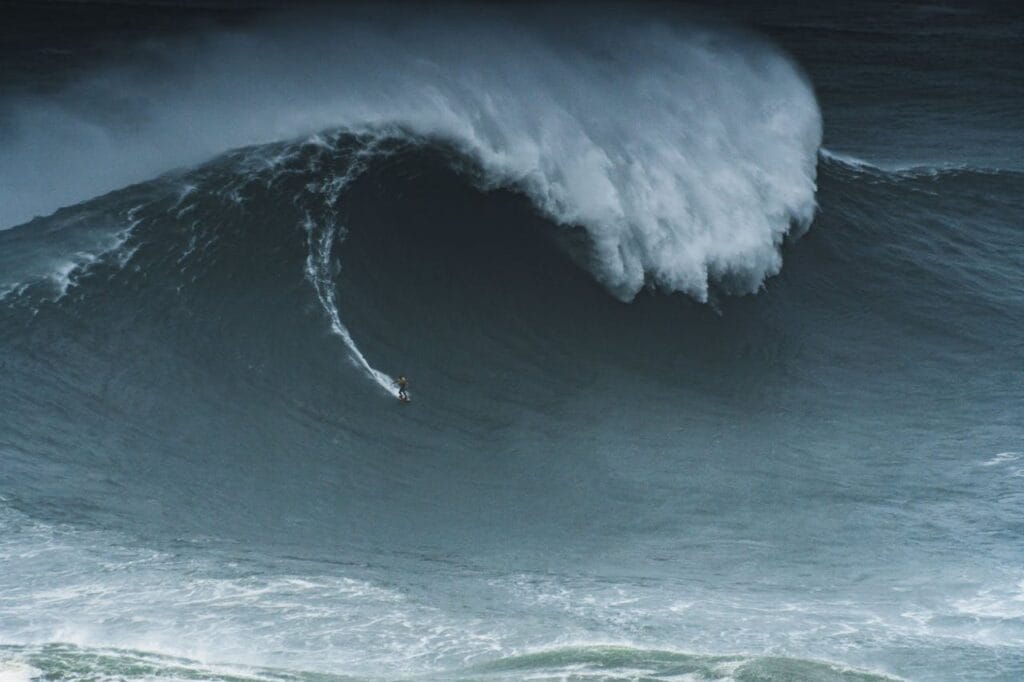
Image source: www.pexels.com
- At a Glance: Nazaré Waves
- Nazaré Giant Waves: Quick Facts
- Quick Travel Planner – Nazaré
- Why are Nazaré’s Waves Giant?
- The Canyon, Step by Step (From Storm to Shore)
- How Nazaré Differs from Other Big-Wave Spots
- Big Waves Explaining Video
- When to See Nazaré Giant Waves
- Records, Events, and Who Rides Nazaré's Big Waves
- Where to Watch Safely (and Smart)
- How to Read the Forecast Like a Local (2-minute Guide)
- Quick Checklist for Big Nazaré Days
- Plan Your Trip to See the Giant Waves
- Things to Do in Nazaré (Beyond Surfing)
- Where to Stay near Nazaré’s Lighthouse (Sítio da Nazaré)
- How to Get to Nazaré
- The Bottom Line on Nazaré’s Giant Wave Phenomenon
- FAQ: Everything You Need to Know About Nazaré’s Waves
- Related Nazaré Guides
Some of the links on this website are affiliate links — if you book through them, we may earn a small commission at no extra cost to you.
Spread the word about Nazaré
- Record wave: 26.21 m (86 ft) by Sebastian Steudtner — 29 Oct 2020 (Guinness‑verified).
- Canyon size: ≈230 km long, ≈5,000 m deep, the largest submarine canyon in Europe that reaches the shoreline.
- Best swell setup: W–NW swell, 16–20 s period, NE–E wind.
- Prime viewing season: November–February (good chances October–March).
- Best watchpoint: Lighthouse terraces at Forte de São Miguel Arcanjo above Praia do Norte (traffic control likely on XXL days).
- Forecast quick‑check: Windy (Waves / Swell 1 / Wind) + IPMA Significant Wave Height.
- Safety: On very big days expect traffic management and barriers; always follow municipal guidance near the fort.
- Plan your trip: Where to stay near the lighthouse • Nazaré Travel Guide • Best Time to Surf Portugal.
- Flights: Find the Best Flight Deals to Lisbon
- Car Rental: Book Your Car Rental in Nazaré
- Hotels: Check Hotels & Stays in Nazaré
- Surf Camps: Find Your Ideal Surf Camp in Nazaré
- Activities: Book Fun Activities in Nazaré (boat tours, viewpoints)
- Tours: Discover Tours & Day Trips from Nazaré
For XXL days, target November–February, arrive early, and check both the forecast and local safety notices before committing to the cliffs.
Why are Nazaré’s Waves Giant?
Nazaré’s waves are giant because of what lies beneath: the Nazaré Canyon rises from abyssal depths to the shoreline right next to Praia do Norte, concentrating swell energy instead of letting it dissipate over a long, gentle shelf. In deep water, long‑period Atlantic swell travels fast with minimal friction; close to shore, the canyon walls and adjacent continental shelf create sharp depth contrasts that bend and split the swell.
As the same swell front straddles deep canyon and shallow shelf, the shelf‑side slows and turns while the canyon‑side stays faster and more direct, forming two coherent wave trains on slightly different paths. Near Praia do Norte, those trains converge over a shallow sandbar, their peaks align (constructive interference), and rapid shoaling makes the wave face stand much taller than either train alone. The result is the classic A‑frame wedge you see from the lighthouse.
For a more technical overview of the canyon’s bathymetry and role, see Portugal’s hydrographic authority, Instituto Hidrográfico (Monican project).
The Canyon, Step by Step (From Storm to Shore)
1. Long-period Atlantic swell
Autumn and winter storms in the North Atlantic generate long‑period W/NW swells that carry more energy and travel faster in deep water. Longer‑period swell interacts more strongly with Nazaré’s bathymetry when it reaches the canyon mouth.
2. Deep-Water “Swell Superhighway”
The Nazaré Canyon extends roughly 230 km offshore and drops to about 5,000 m at its deepest, acting like a deep‑water corridor that funnels energy toward the coast. Because the canyon is open to the ocean and aligned toward Praia do Norte, swell can travel landward with less energy loss than over a normal, gently sloping shelf.
3. Refraction: Two Paths, Two Speeds
Where the deep canyon meets the shallower shelf, different parts of the same wave feel different depths and therefore travel at different speeds. The part running over the shelf slows and bends, while the part over the canyon remains faster and straighter, effectively splitting the swell into two wave trains on slightly different bearings.
4. Convergence Into a Wedge
As these two trains approach the coast, they re‑join near Praia do Norte and their energy focuses over the inner bar. When their peaks line up, they add together (constructive interference) and the resulting face stands taller and steeper, like two synchronized pushes lifting the same swing at exactly the right moment.
5. Shoaling and the Sudden Take-off Zone
On the inside sandbar, water depth drops quickly, so the wave slows, steepens and rises as its energy is compressed into a smaller water column. Because the energy was already focused by the canyon and convergence, the face becomes exceptionally tall and powerful right under the fort — that’s the sudden, critical take‑off zone big‑wave surfers tow into.
6. Local Assists: Wind, Current, and Headland
A light NE/E offshore wind often grooms the wave face in this part of the Portuguese west coast, helping to keep walls clean and surfable. Some days, a near‑shore current flowing against the incoming swell adds a little extra lift, while the Sítio headland splits the shoreline into Praia do Norte (north) and Praia da Nazaré (south), creating different exposure angles and viewing perspectives.
How Nazaré Differs from Other Big-Wave Spots
Many of the world’s famous big‑wave breaks use outer reefs, ledges or seamounts to focus swell and make waves stand up. Nazaré is unusual because its focusing engine is a submarine canyon that reaches almost all the way to the beach, so the amplification happens right at the shoreline. The “wedge” concept exists elsewhere (for example, The Wedge in California), but there it’s driven largely by reflection off a man‑made jetty.
At Nazaré, the boost comes from refraction and convergence along a natural canyon–shelf interface, plus rapid shoaling over a mobile sandbar, which makes the setup more dynamic and, at times, more unpredictable.
Big Waves Explaining Video
To really feel how powerful Nazaré is, you need to see the waves in motion and watch how they stand up under the lighthouse. Look for big‑wave breakdowns and event highlights on WSL’s official YouTube channel, especially their big‑wave playlists focused on Praia do Norte.
Video source: www.youtube.com
When to See Nazaré Giant Waves
- Prime window: November–February, within a broader October–March big‑wave season.
- Core ingredients: Long‑period W or NW swell (around 14 s or higher), significant wave height well above normal, and NE/E or very light local wind.
Use a significant wave height (Hs) map and swell period charts to spot those special days when long‑period swell is lining up with the canyon axis and offshore winds are cleaning the faces.

Records, Events, and Who Rides Nazaré’s Big Waves
Nazaré has become a pilgrimage site for elite big‑wave surfers, photographers and ocean‑obsessed travelers. It is the stage for world‑record waves and some of the heaviest sessions ever documented.
Record-Breaking Waves & Legendary Surfers
- Garrett McNamara (2011): Brought Nazaré to global attention by riding an estimated 24 m (≈80 ft) wave at Praia do Norte.
- Rodrigo Koxa (2017): Set an official world record with an ≈24 m (80 ft) wave, later widely measured and discussed in the surf community.
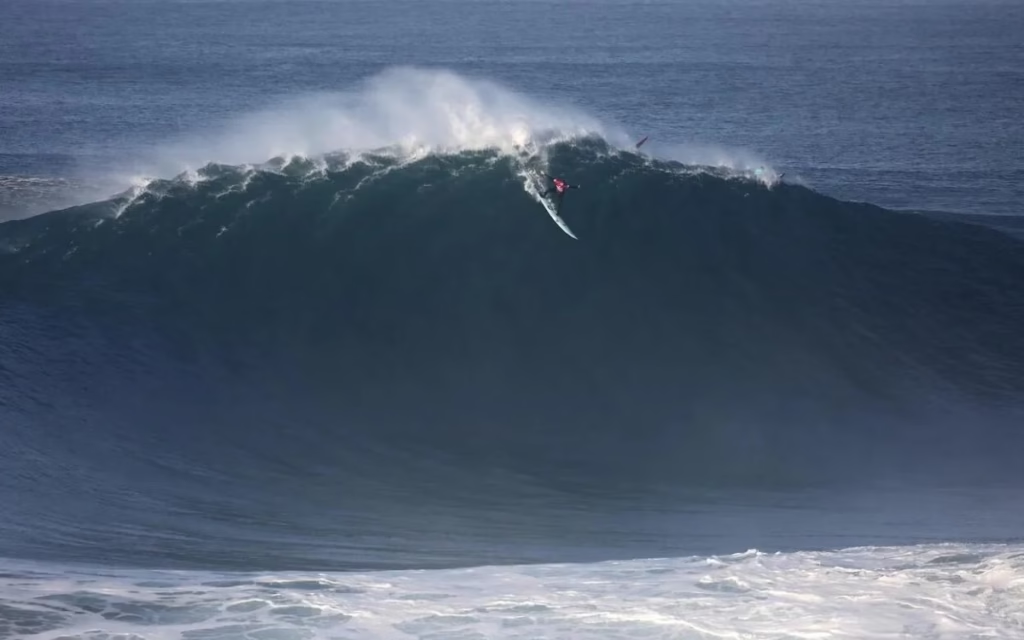
- Sebastian Steudtner (2020): Broke the record with a 26.21 m (86 ft) wave, officially recognized by Guinness World Records.
Annual Big‑Wave Events
The TUDOR Nazaré Big Wave Challenge, run by the World Surf League (WSL), is one of the most prestigious big‑wave competitions in the world. The event runs on a green‑light basis during winter, with waiting periods tuned to major North Atlantic swells; for opening calls, replays and highlights, see the event hub and partner coverage.
Where to Watch Safely (and Smart)
- Best vantage point: Forte de São Miguel Arcanjo (the lighthouse) above Praia do Norte, with several terraces and railings offering different angles on the peak.
- Crowds & closures: On XXL swells, expect traffic control, parking restrictions and occasional temporary closures around the fort area. Always respect barriers and follow instructions from authorities and rescue teams.
- Municipal safety plan: During big‑wave season (typically 1 Oct–31 Mar), the municipality operates a coordinated safety setup with tow/rescue readiness and crowd management; check notices on the Câmara Municipal da Nazaré website.
- What to bring: Layers for wind chill, sturdy shoes, water/snacks, and patience for traffic and parking on peak days — especially if a major swell and an event overlap.
How to Read the Forecast Like a Local (2-minute Guide)
1. Wave height (Hs) on Windy
- Layer: Waves
- What to look for: Numbers in meters right off Praia do Norte and the color gradient feeding the canyon. Big Nazaré days show heights clearly above the regional average and a strong height gradient pointing into the headland.
- Pro tip: Click offshore from the lighthouse to open the spot forecast card with wave height, period and direction hour by hour.
2. Period = stored energy
- Layer: Waves or Swell 1
- Rule of thumb: ≥14 s means meaningful energy; 16–20 s is when the canyon really “supercharges” the swell.
- Why it matters: Longer‑period swell carries more energy, maintains speed in deep water and interacts more strongly with the Nazaré Canyon before hitting the bar.
3. Direction = canyon alignment
- Layer: Swell 1
- Sweet spot: W to NW. Too far N or too much WSW can miss the ideal focusing line.
- Check the arrows: You want the main swell arrows pointing into the canyon axis and bending toward Praia do Norte.
4. Wind = face quality
- Layer: Wind (and optionally Wind gusts).
- Best: Light to moderate NE–E breezes grooming the face.
- Avoid: Strong onshore or cross‑onshore winds (W–SW) that crumble faces and make conditions dangerous for rescue crews.
5. Timing with tide (and reality check)
- Combine your map reading with local tide tables; Praia do Norte often looks best on the push, though canyon focusing usually matters more than tide alone. Always re‑check conditions the day of your visit, as local wind shifts can make or break the show.
6. Power-user moves on Windy
- Model toggle: Compare ECMWF, ICON and GFS when a swell is borderline; ECMWF is often consistent on the west Iberian coast.
- Swell decomposition: Use Swell 1/2/3 to see if one clean train dominates (ideal) or energy is split (more mixed outcomes).
- Meteogram view: Open the meteogram in the spot card for an hour‑by‑hour stack of Hs, period and wind to plan your arrival and parking.
- Favorites & alerts: Star the lighthouse area and set custom alerts for height, period and wind so you don’t miss green‑light mornings.
Quick Checklist for Big Nazaré Days
- Waves (Hs): Well above normal, with a clear height gradient into Praia do Norte.
- Swell period: ≥14 s, ideally 16–20 s.
- Swell direction: W–NW aimed into the canyon.
- Wind: Light–moderate NE/E; avoid strong onshore W–SW.
- Final check: Re‑open the spot card on the morning, compare models, and confirm that wind and timing still line up with your plan.

Plan Your Trip to See the Giant Waves
Nazaré is more than big‑wave watching; combine the ocean show with viewpoints, seafood, cultural walks and easy day trips along the Silver Coast.
- Where to stay: See top places to stay in Nazaré • Where to stay near the lighthouse
- Do more nearby: 12 Best Reasons to Visit Nazaré • Top Things to Do Near Nazaré • Full Nazaré Travel Guide
- Camps/lessons (on calmer coasts): Compare surf camps in Portugal
Things to Do in Nazaré (Beyond Surfing)
Even if you come mainly for the big waves, Nazaré has plenty of off‑water experiences:
Jet Ski with a Big Wave Rider
See the famous waves up close with a pro!
Dolphins Observation Boat Tour
Witness playful dolphins gliding through the Atlantic.
Paragliding Tandem Flight
Soar high above the breathtaking cliffs for an adrenaline rush.
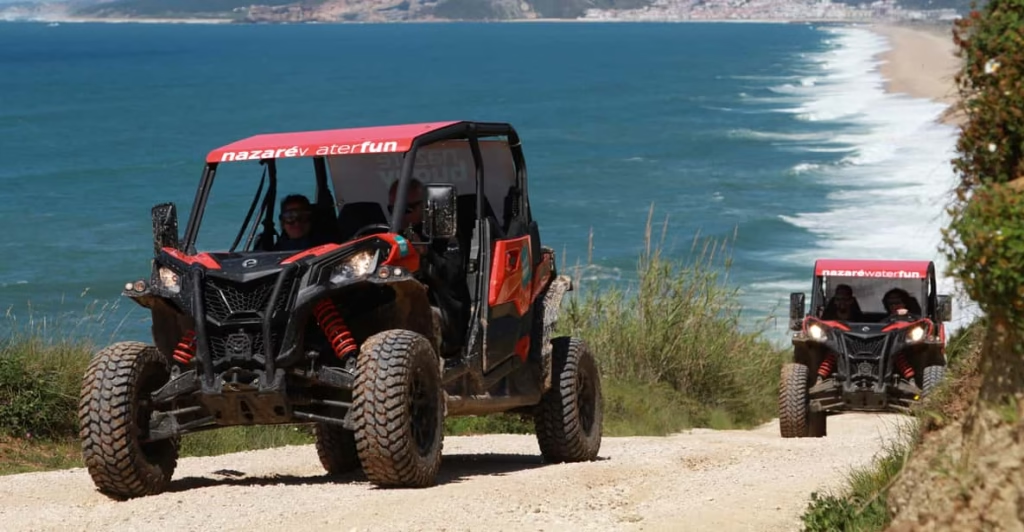
4×4 Buggy Adventure
Explore Nazaré’s wild terrain on a thrilling off-road excursion.
Jeep Safari
Journey to hidden spots and panoramic vistas.
Nazaré Walking Tour
Dive deep into the town’s unique history with a local guide.
E-Bike Tour – The Legend
Ride picturesque trails and hear tales of Nazaré’s surf culture.
For a detailed list of top attractions, check out our guides: 12 Best Reasons to Visit Nazaré and Top Things to Do Near Nazaré or you can see our full Nazaré Travel Guide here!
Where to Stay near Nazaré’s Lighthouse (Sítio da Nazaré)
If you want to wake up above Praia do Norte and walk to the viewpoints at Forte de São Miguel Arcanjo in minutes, stay in Sítio da Nazaré. These places keep you close to the action on big‑swell mornings:
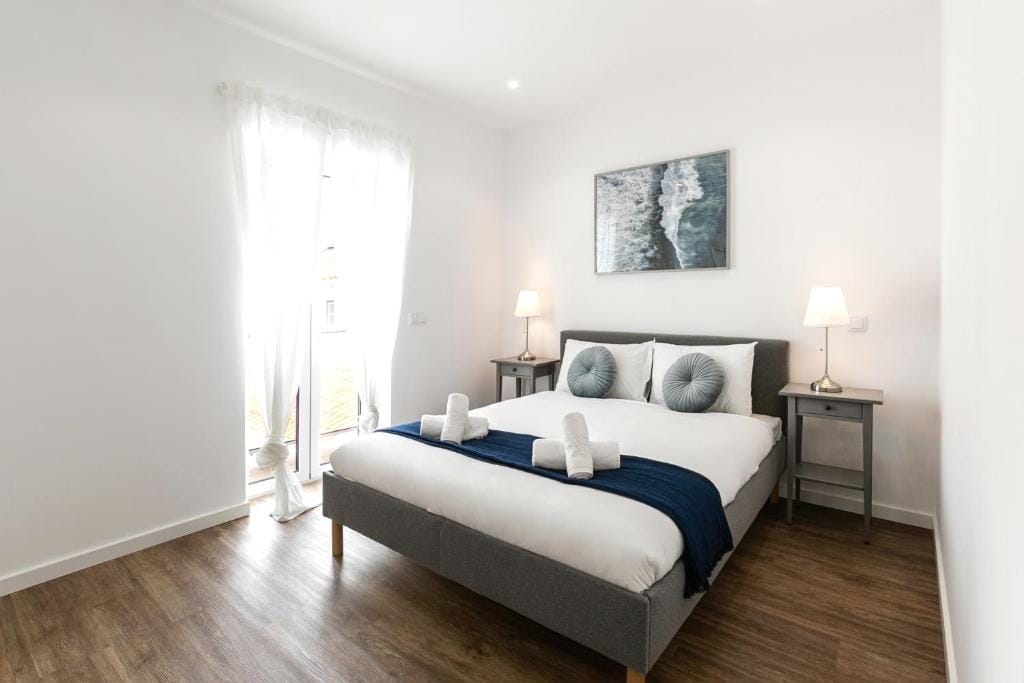
Guest Rating: 9.4/10 (Wonderful)
A calm, well-kept base in the lighthouse district, perfect if you want quiet nights and easy access to the fort terraces. Rooms feel homely, and it’s a great fit for couples who plan dawn patrols to check the peak before the crowds arrive.
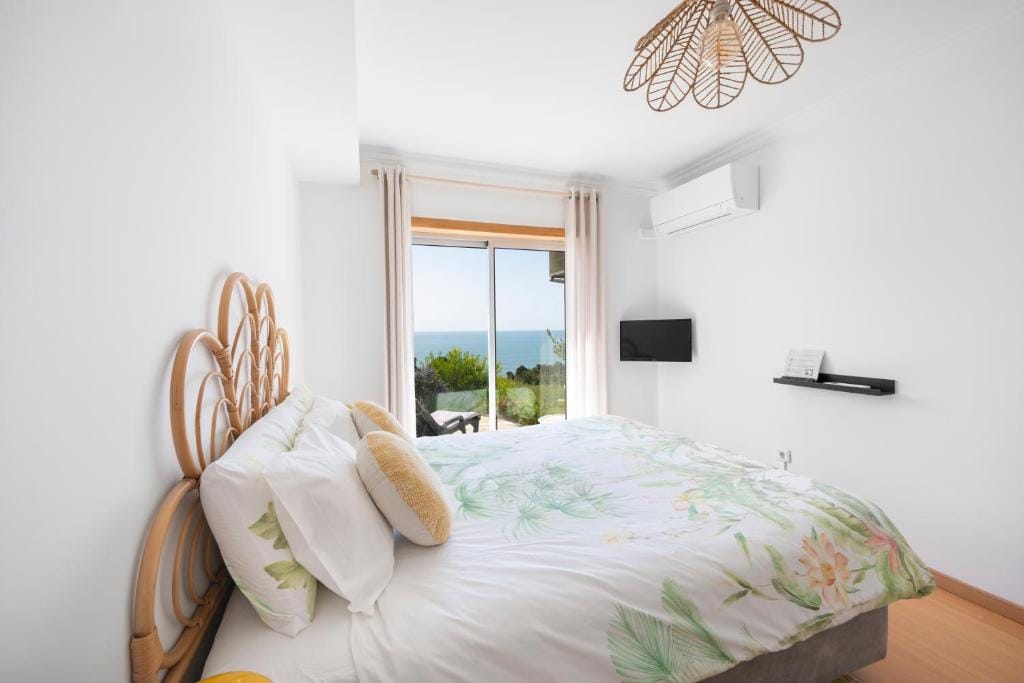
Guest Rating: 9.6/10 (Exceptional)
Self-catered 1-bedroom with front-row views toward the canyon line—ideal for photographers or anyone who loves coffee-with-a-swell-check on the balcony. Kitchenette for simple meals; expect limited street parking on XXL days.
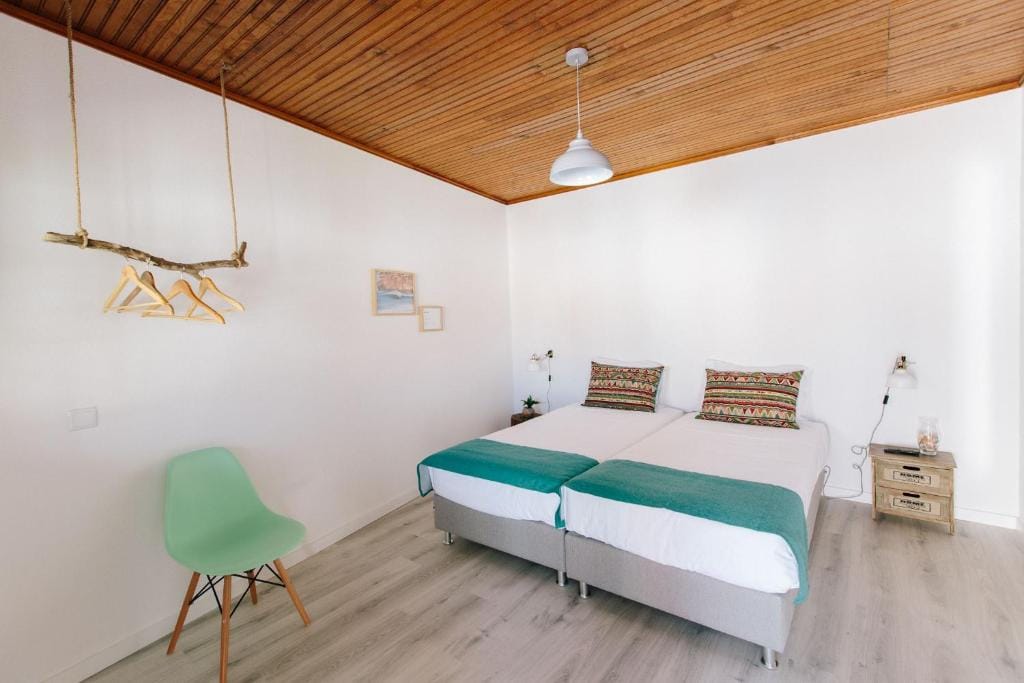
Guest Rating: 8.6/10 (Excellent)
Laid-back hub with a social vibe, pool, and on-site bar—great for friends or solo travelers who want community after lighthouse missions. Handy for ride-shares and quick hops to both Praia do Norte and town.

How to Get to Nazaré
Nazaré sits about 120 km (75 miles) north of Lisbon and is easy to reach by car, bus or transfer.
By Plane
The nearest international airport to Nazaré is Lisbon’s Humberto Delgado Airport (LIS), located about 120 km (75 miles) south of the town. From there, you can take a bus, taxi, or rent a car for a quick journey to Nazaré.
By Car
The fastest option. Lisbon to Nazaré via the A8 highway takes 1h 30min. From Porto, take the A1 → A17/A8 (2h 30min).
By Bus
Direct buses from Lisbon (Sete Rios or Campo Grande stations) take 1.5–2 hours.
By Taxi or Ride-Sharing
A taxi from Lisbon to Nazaré costs around €120–€150, while ride-sharing apps may offer competitive rates.
The Bottom Line on Nazaré’s Giant Wave Phenomenon
If you need a one‑line explanation for Nazaré’s giant waves, here it is: a very deep canyon focuses Atlantic swell, refraction creates two converging wave trains, and rapid shoaling over the inner bar turns that concentrated energy into towering peaks at Praia do Norte. That’s why Nazaré’s waves can be so huge, especially with W–NW swell, 16–20 s periods and NE–E winds lining up in winter.
Plan your visit for November–February, watch safely from the lighthouse, and use the forecast tools in this guide to pick your moment. Ready to see it up close?
If this guide helped, share it with friends who would love to experience Nazaré’s giant waves.
FAQ: Everything You Need to Know About Nazaré’s Waves
Still have questions about Nazaré’s monster waves? We’ve gathered some of the most common ones and answered them for you below.
How deep and long is the Nazaré Canyon?
Roughly 5,000 m at its deepest and about 230 km long, with its head right beside the beach—a rare setup globally.
When is the best time to see giant waves?
Mainly Nov–Feb (within Oct–Mar). Track Significant Wave Height via IPMA’s Nazaré & Peniche map and confirm details on the Nazaré beach page.
Where should I watch from safely?
Terraces at the lighthouse/fort above Praia do Norte. On XXL days, follow municipal guidance and barriers: Safety operation.
What is the biggest wave recorded at Nazaré?
26.21 m (86 ft) by Sebastian Steudtner on 29 Oct 2020, confirmed by Guinness World Records.
Who holds the record for biggest wave surfed?
Currently, Rodrigo Koxa holds the record for the biggest wave ever surfed, achieved at Nazaré.
Has anyone surfed a 100 foot wave?
No, the biggest recorded wave at Nazaré (and anywhere) is 80 feet (24 meters). While some accounts mention 100-foot waves, these haven’t been officially verified.
Are the waves at Nazaré always big?
No, the waves at Nazaré are not always big. The giant waves Nazaré is famous for are a seasonal phenomenon caused by a unique combination of factors. Here’s a breakdown:
Big wave season: The big wave season at Nazaré occurs between October and March, coinciding with winter storms in the North Atlantic. These storms generate strong swells that interact with the underwater Nazaré Canyon, amplifying the wave height.
Calmer waves: Outside the winter season, the waves at Nazaré are much smaller and suitable for various water activities like swimming, surfing (regular surfing, not big wave surfing), and bodyboarding.
Predicting big waves: There are resources available online that provide forecasts for big wave events at Nazaré. This allows visitors to plan their trip if they’re specifically interested in witnessing the giant waves.
How hard is it to surf Nazaré?
Only the most experienced big wave surfers with specialized equipment and support teams attempt to surf Nazaré due to the extreme dangers involved.
Is Nazaré good for beginners?
No, Nazaré is not a good place for beginner surfers. Here’s why:
Giant waves: Nazaré is famous for its massive waves, reaching up to 80 feet (24 meters) during the winter season. These waves are incredibly dangerous and require highly skilled and experienced big wave surfers with specialized equipment and support teams.
Strong currents: The powerful waves at Nazaré are accompanied by strong currents that can be challenging and dangerous for beginners.
Limited beginner-friendly surf spots: The main beach with the giant waves, Praia do Norte, is not suitable for beginners. Nazaré does have Praia da Nazaré, a beach with calmer waves, but even these might be too strong for true beginners with no surfing experience.
Here are some alternatives for beginner surfers in Portugal:
Peniche: Located north of Lisbon, Peniche offers a variety of beaches with waves suitable for all skill levels, including beginner-friendly spots with gentle waves and good surf schools.
Ericeira: Situated north of Lisbon, Ericeira is a surfer’s paradise with several beaches offering a mix of waves for beginners, intermediates, and experienced surfers. Surf schools and camps are plentiful in Ericeira.
Algarve: The southern region of Portugal, the Algarve, boasts beautiful beaches with calmer waves ideal for beginners seeking a relaxed learning experience. Surf schools and camps can be easily found in the Algarve.
Overall, while Nazaré offers a thrilling spectacle for experienced big wave surfers, it’s not recommended for beginners. Consider these alternative locations in Portugal if you’re looking to learn to surf for the first time.
Has anyone paddled Nazaré?
Paddling into the giant waves at Nazaré is extremely dangerous and not attempted. Surfers use jet skis for towing due to the immense wave size and speed.
Has a surfer died at Nazaré?
Tragically, there have been surfer fatalities at Nazaré. Safety is paramount for anyone attempting to surf these waves. (See also “How do you survive the biggest wave?”)
What famous surfer died in Nazaré?
In 2013, professional big wave surfer Carlos Burle passed away after falling while attempting to ride a wave at Nazaré.
How fast do surfers go at Nazaré?
Surfers at Nazaré can reach speeds exceeding 50 miles per hour (80 kilometers per hour) due to the power and size of the waves.
Where do surfers hang out Nazaré?
When not surfing, experienced big wave surfers will likely be found at Praia do Norte, the beach with the giant waves. There are also surf camps and schools in Nazaré for those interested in learning to surf or improving their skills on smaller waves.
How often does Nazaré break?
Giant waves at Nazaré typically occur during the big wave season, between October and March, when strong winter storms coincide with the right underwater conditions. However, even outside this season, Nazaré offers beautiful beaches with smaller waves.
What time of year are waves biggest at Nazaré?
The biggest waves tend to happen during the winter months (October to March) due to stronger storms.
Are the waves at Nazaré always big?
No, as mentioned earlier. The giant waves are a seasonal phenomenon and require specific weather conditions.
Who is the famous surfer in Nazaré Portugal?
Garrett McNamara is a big wave surfer who put Nazaré on the map by pioneering big wave surfing there. However, many other skilled surfers challenge these waves.
How big are waves at Nazaré normally?
Outside the winter season, Nazaré offers waves suitable for all skill levels, with heights ranging from gentle to moderately sized.
How do you survive the biggest wave?
Professional big wave surfers at Nazaré wear specialized equipment like life jackets, helmets, and wetsuits designed for cold water. They also rely on jet ski support teams for safety and quick rescue if needed. Always prioritize safety.
What happens to surfers in big waves?
Surfing giant waves like Nazaré is incredibly dangerous and requires a high level of skill, experience, and specialized equipment. Here’s what can happen to surfers in big waves:
• Wipeouts and Hold Downs: Falling off the wave (a wipeout) is inevitable. In massive waves, surfers can be held underwater for extended periods by the force of the wave crashing down. This is why breath-holding ability and staying calm are crucial.
• Injuries: The power and size of the waves can cause serious injuries, even with protective gear. Broken bones, lacerations, and concussions are all possibilities.
• Equipment Failure: Equipment malfunction can be disastrous in big waves. Leash failure could separate the surfer from their board, and board damage can make it difficult to control or surface.
• Exhaustion: Battling large waves is physically demanding. Surfers can become exhausted quickly, making it harder to swim or stay calm in a wipeout situation.
How do surfers not get crushed by waves?
Here are some strategies big wave surfers use to avoid getting crushed:
Reading the Wave: Experienced surfers carefully evaluate the wave before attempting to ride it. They consider factors like size, shape, and potential dangers.
Jet Ski Tow-In: Surfers don’t paddle into giant waves at Nazaré. Instead, they use jet skis for towing, allowing them to position themselves perfectly for the wave and reach high speeds to “catch” it.
Wave Positioning: Surfers aim to ride the wave on the face, the part that peels forward. Avoiding the crashing whitewater section at the top minimizes the risk of getting crushed.
Quick Takeoff and Maneuvering: Once on the wave, surfers need to react quickly and make precise maneuvers to maintain balance and avoid the crashing sections of the wave.
Safety Gear: Surfers wear helmets, life jackets, and thick wetsuits for protection and warmth in the cold water.
Support Team: A team on a jet ski stays close by for assistance and immediate rescue if needed.
What do surfers do when they fall?
Falling off a giant wave (a wipeout) is a common occurrence. Here’s what surfers do when they fall:
Hold Your Breath: Surfers prioritize holding their breath for extended periods to avoid drowning while being held underwater by the wave’s force.
Stay Calm: Panicking underwater can lead to making bad decisions and increase the risk of drowning. Experienced surfers stay calm and focus on surfacing.
Surface and Assess: The goal is to get to the surface as quickly as possible and assess the situation. Look for your board and any potential dangers.
Swim or Paddle Back: If possible, surfers will swim or paddle back to safety or towards their support jet ski.
Remember, big wave surfing is an extreme sport, and even with these precautions, accidents can happen.
How long do you have to hold your breath at Nazaré?
While breath-holding ability is crucial for big wave surfers at Nazaré, there’s not a single, definitive answer to how long they need to hold their breath. Here’s why:
Varied Situations: The amount of time a surfer needs to hold their breath depends on the specific situation. Factors like the size and power of the wave, the surfer’s position when they fall, and currents can all affect how long they’re underwater.
Focus on Training: Big wave surfers train extensively to improve their breath-holding ability. They can hold their breath for extended periods, often exceeding 2 minutes in competition settings. However, real-world situations can be stressful, and holding your breath for that long underwater during a wipeout might not be achievable.
Safety First: The priority for surfers who fall is not necessarily pushing the absolute limit of their breath-holding. Their main goal is to stay calm, surface as quickly as possible, and avoid drowning.
Here are some additional points to consider:
Strong Currents: Powerful currents can pull surfers underwater and make it harder to surface quickly.
Exhaustion: The physical exertion of battling large waves can lead to exhaustion, making it harder to hold your breath for extended periods.
Overall, big wave surfers at Nazaré need to be highly trained and comfortable holding their breath for a significant amount of time (likely over a minute) to handle potential underwater situations. However, staying calm and prioritizing surfacing quickly are even more important for safety.
Related Nazaré Guides

Nazaré vs Mavericks: What’s Different (Canyon, Wave Shape, Safety & Watching)
When people talk about the biggest waves on Earth, two names dominate the conversation: Nazaré…
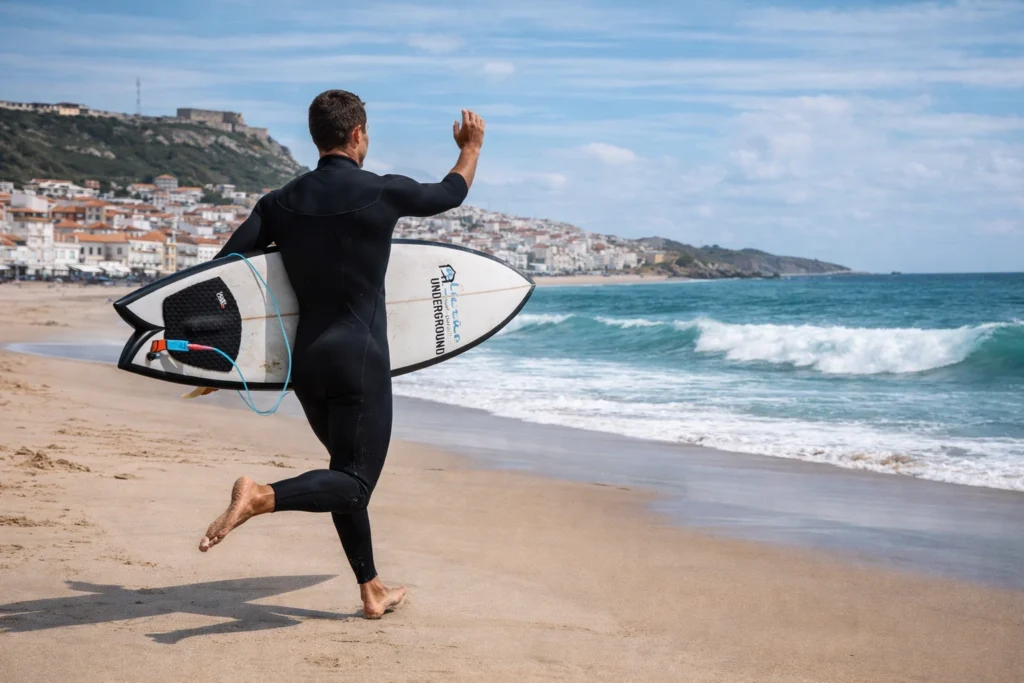
Surf Rentals & Surf Shops in Nazaré: Boards, Wetsuits & Repairs
Looking for surf shops in Nazaré or reliable surf rentals? Whether you want to rent…
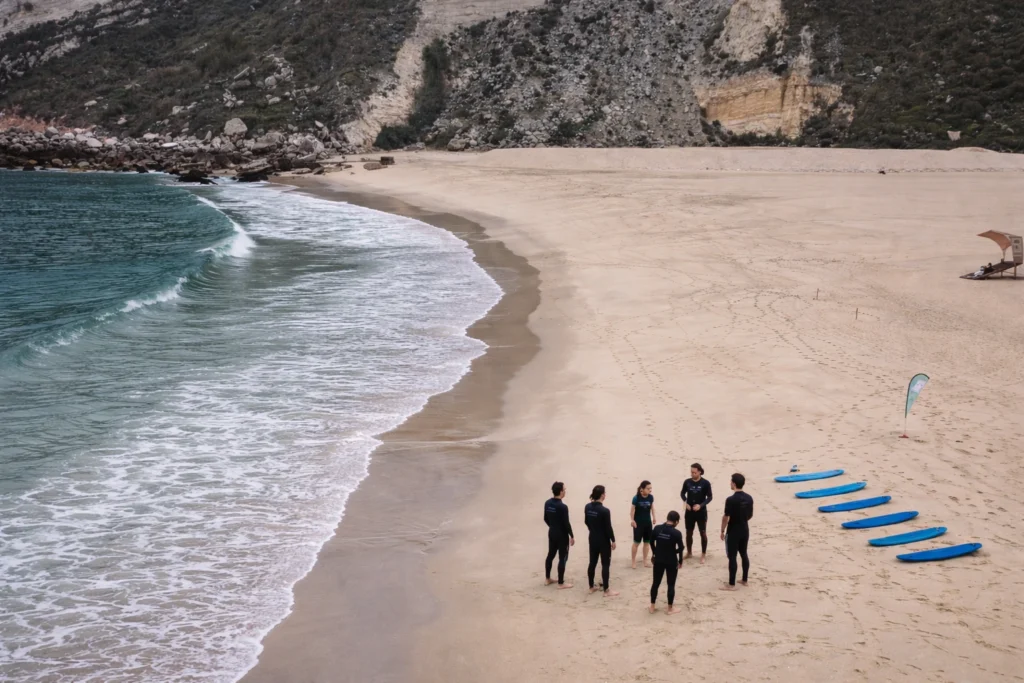
Surf Lessons in Nazaré: When It Makes Sense (and When Peniche or Ericeira Is Better)
Nazaré is world-famous for giant waves—but that reputation can be confusing if you’re planning surf…
Nazaré With Kids: Family Beach Days, the Funicular & Easy Viewpoints
Visiting Nazaré, Portugal with kids can be relaxed and genuinely memorable when you keep it…
Can You Swim in Nazaré? Safest Beaches, Flags & Currents Explained
Can you swim in Nazaré? Yes — swimming is safe in Nazaré in the right…
Nazaré Map: Beaches, Viewpoints & One-Day Itinerary
Nazaré is one of those places where a good map makes the day. Use our…

Lisbon to Nazaré: Day Trip Transport Guide (Bus vs Car vs Tour)
Planning a Lisbon to Nazaré day trip and wondering how to get to Nazaré quickly…
How Big Are Nazaré Waves? Wave Height Explained + All-Time Records
Nazaré’s “big” isn’t just hype—faces can tower 20–25+ meters on the very biggest days. But…
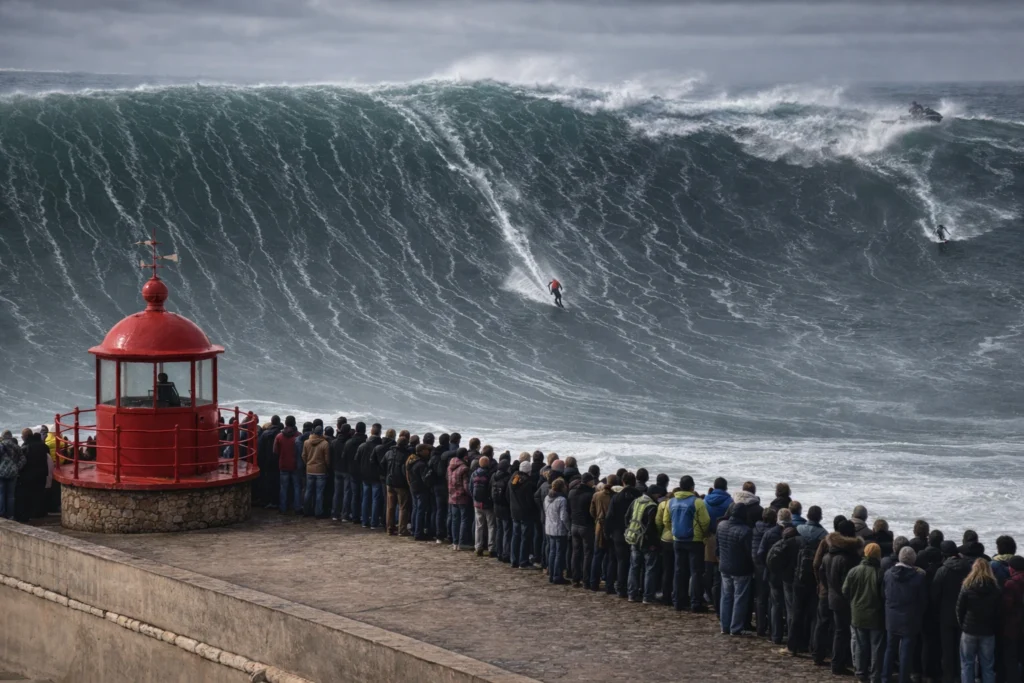
How to See the Big Waves in Nazaré (Viewpoints, Lighthouse, Parking & Safety)
If you’re wondering where to watch big waves in Nazaré, the short answer is: from…
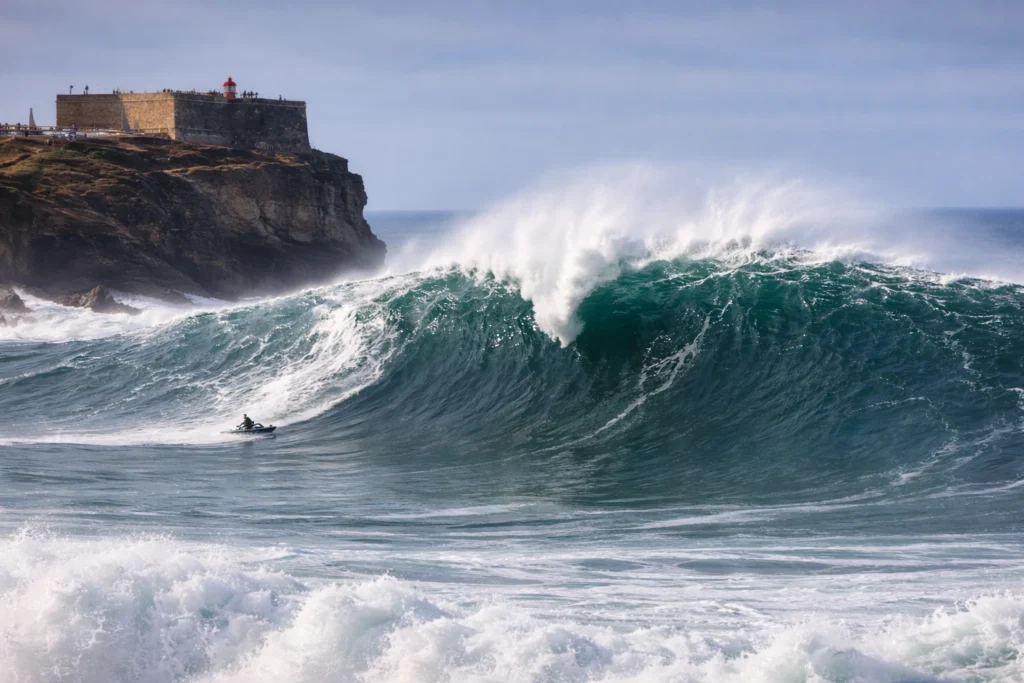
Nazare Big Wave Season (Month-by-Month): When to Go, What to Expect & How to Watch
The Nazaré big wave season runs October to March, with November to February as the…
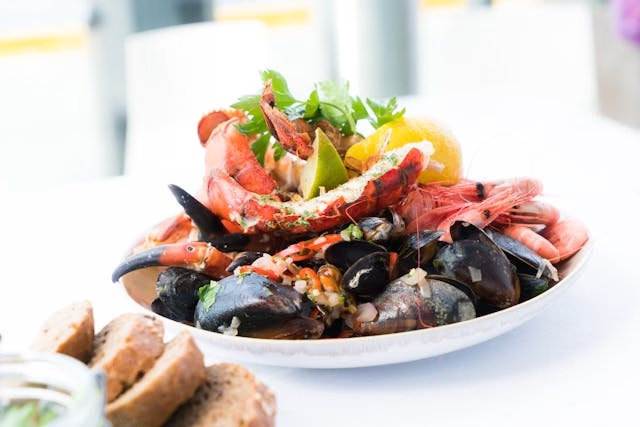
Where to Eat in Nazaré: Best Seafood & Restaurants with a View
Looking for where to eat in Nazaré—from ultra-fresh seafood to restaurants with a view of…
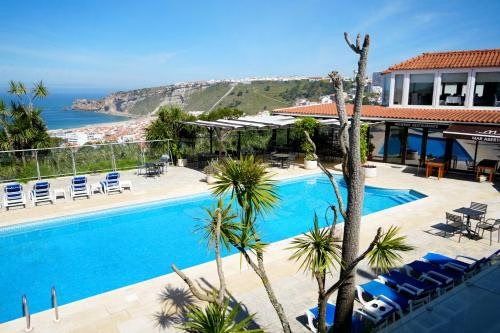
Where to Stay in Nazaré, Portugal (Best Areas & Hotels)
Planning a trip to Nazaré, Portugal? From beachfront stays on Praia da Vila to Sítio…