
Can you swim in Nazaré? Yes — swimming is safe in Nazaré in the right places, at the right times, and by following the beach flags. This guide explains which beaches are safest for swimming, how the Portuguese flag system works, and what to know about currents — all in plain English.
Nazaré is famous for giant waves at Praia do Norte, but most visitors swim at calmer beaches closer to town. Knowing where (and when) to enter the water makes all the difference.
- At a Glance — Swimming in Nazaré
- Quick Travel Planner – Nazaré
- Is Nazaré Safe to Swim?
- Best Beaches for Swimming in Nazaré
- Understanding Beach Flags in Portugal (Very Important)
- Rip Currents in Nazaré (Plain English)
- Best Time of Year to Swim in Nazaré
- Should You Swim on Big-Wave Days?
- Tips for Swimming Safely in Nazaré
- Where to Stay for Easy, Safe Beach Access (Top Stays in Nazaré)
- FAQ — Swimming in Nazaré
- Related Nazaré Guides
Some of the links on this website are affiliate links — if you book through them, we may earn a small commission (at no extra cost to you). This helps us keep the site running and create even more useful content for travelers like you.
If you’ve found our work helpful and wish to support us further, you can also make a small donation via PayPal. Every bit counts — thank you!
Spread the word about Nazaré
- Safest beach for swimming: Praia da Nazaré (Praia da Vila)
- Beach to avoid on big-swell days: Praia do Norte
- Best months for calm water: June–September
- Always check: Beach flags + lifeguards
- If unsure: Ask a lifeguard before entering the water
- Flights: Find the Best Flight Deals to Lisbon
- Car Rental: Book Your Car Rental in Nazaré
- Hotels: Check Hotels & Stays in Nazaré
- Surf Camps: Find Your Ideal Surf Camp in Nazaré
- Activities: Book Fun Activities in Nazaré (boat tours, viewpoints)
- Tours: Discover Tours & Day Trips from Nazaré
Routes & neighborhoods: see Nazaré Surf Trip Planner
Forecast & webcams: open Nazaré Surf Forecast: Today’s Waves, Webcams & Big-Wave Days
Is Nazaré Safe to Swim?
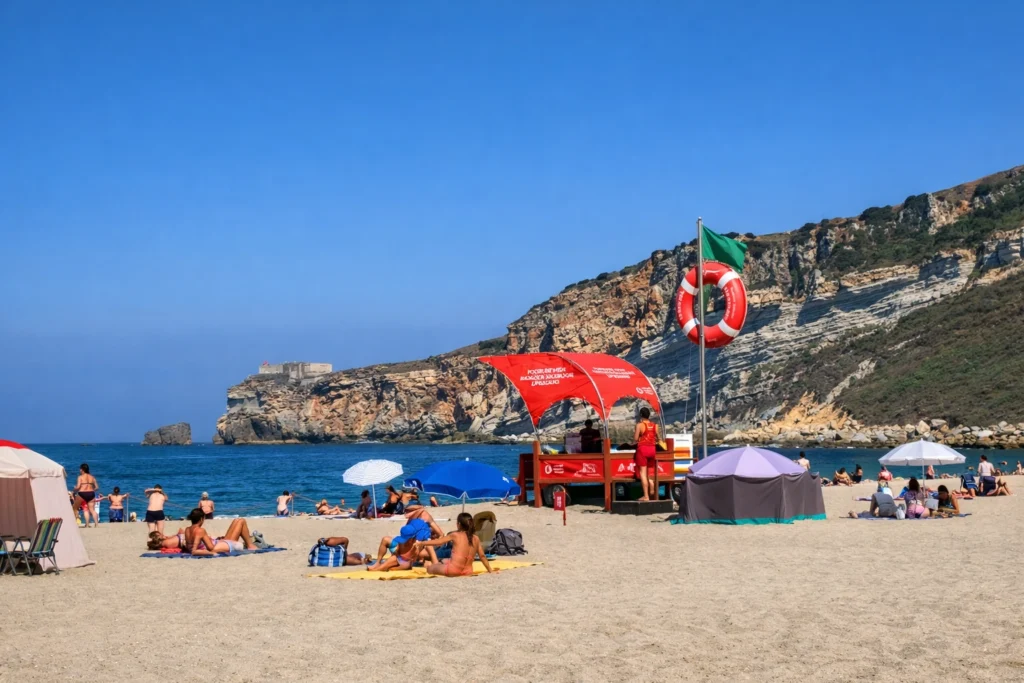
Yes — Nazaré is safe to swim, especially at Praia da Nazaré (Praia da Vila), the main town beach.
Like much of Portugal’s Atlantic coast, conditions can change quickly. Waves, wind, and currents vary by beach and season. That’s why Portugal uses a clear beach flag system and has professional lifeguards during the bathing season.
If you respect the flags and choose the right beach, swimming in Nazaré is perfectly fine for most visitors.
Best Beaches for Swimming in Nazaré
Praia da Nazaré (Praia da Vila) — Safest, Easiest Choice
This is the main town beach, right in front of restaurants and cafés.
- Usually smaller waves
- Gentler currents than the north beach
- Lifeguarded in season
- Ideal for families, casual swimmers, and wading
This is where locals and visitors swim most days.
Praia do Norte — Not for Swimming on Swell Days
Praia do Norte is where the world’s biggest waves break.
- Strong currents and powerful shorebreak
- Unsafe for swimming most of the year
- No casual bathing, even on smaller days
This beach is for watching, not swimming. If you’re curious why, see our explainer on how the canyon works: Nazaré Waves Explained.
Praia do Sul — Limited Access, Not Supervised
On the south side of Nazaré, Praia do Sul isn’t a supervised swimming beach. Access is usually through the fishing port area, and conditions can change quickly.
- No lifeguard supervision (so don’t expect flagged bathing zones here)
- Access via the fishing port (check local signage; access can be controlled)
- Mixed conditions: it can look calm, but currents and surf can build fast
- Rip currents can form, especially when swell wraps in
- Best for experienced ocean swimmers only — and only when the sea is clearly settled
If you want the simplest, safest swimming setup, stick to Praia da Nazaré (Praia da Vila) during the bathing season and always follow official flag and lifeguard guidance.
Understanding Beach Flags in Portugal (Very Important)
Portugal uses a clear flag system to show whether it’s safe (and allowed) to swim. You’ll usually see the flags on the lifeguard post.
Green, Yellow, Red + Chequered: What Each Flag Means
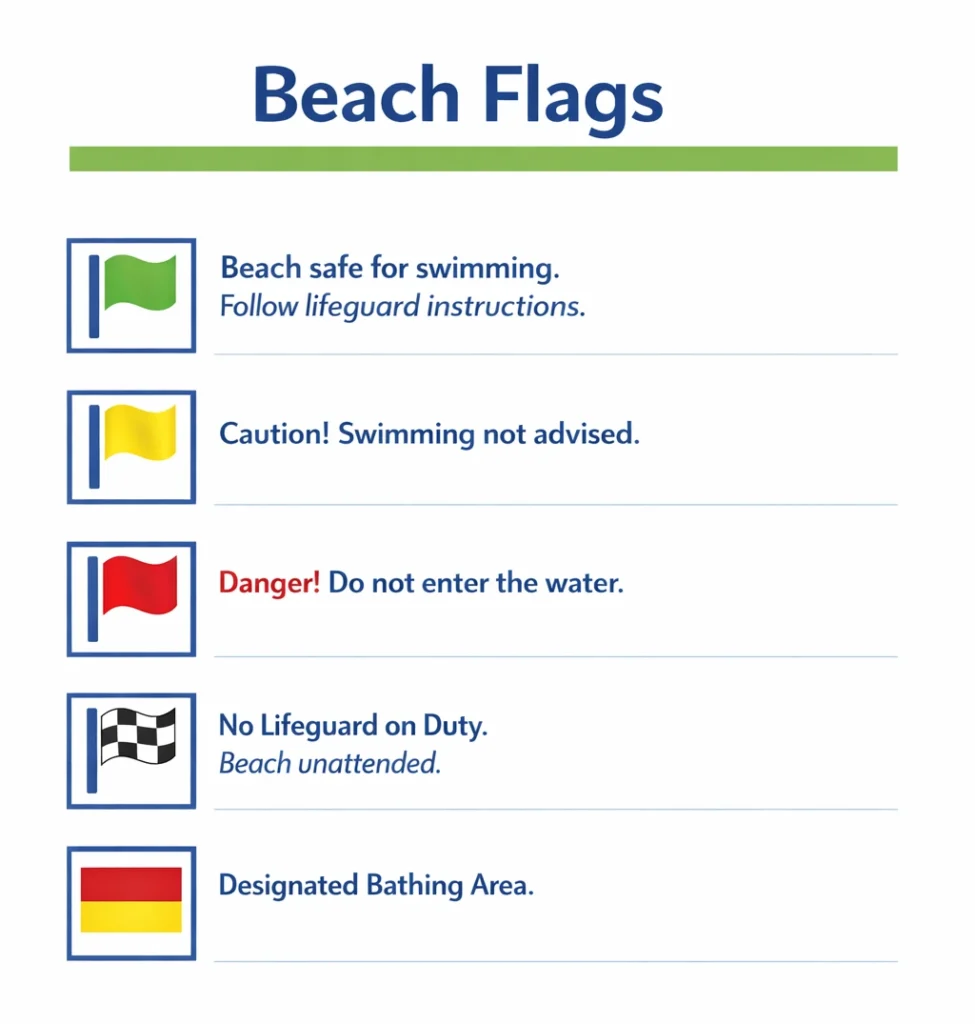
- 🟢 Green — Safe to swim
Normal bathing conditions. You can swim inside the supervised area, but still watch for currents and follow lifeguard instructions. - 🟡 Yellow — Caution (bathing allowed, but risky)
The sea is more dangerous than usual (stronger currents, waves, or changing conditions). Swimming is allowed, but:- stay very close to shore
- avoid deep water
- weaker swimmers should not go in
- 🔴 Red — Do not enter the water (bathing forbidden)
Swimming is not allowed. Conditions are dangerous (powerful surf, strong rip currents, or poor visibility).
Even if the ocean looks calm, the red flag means stay out. - 🏁 Black-and-white chequered — Beach temporarily unattended
The beach is without lifeguard supervision (often outside patrol hours or temporarily).
It doesn’t automatically mean the sea is safe—just that you’re on your own. - 🟥🟨 Red + Yellow (two flags) — Bathing area
These flags mark the limits of the supervised swimming zone. Swim between them.
(This is especially important in places with currents.)
Rip Currents in Nazaré (Plain English)
What a Rip Current Looks Like
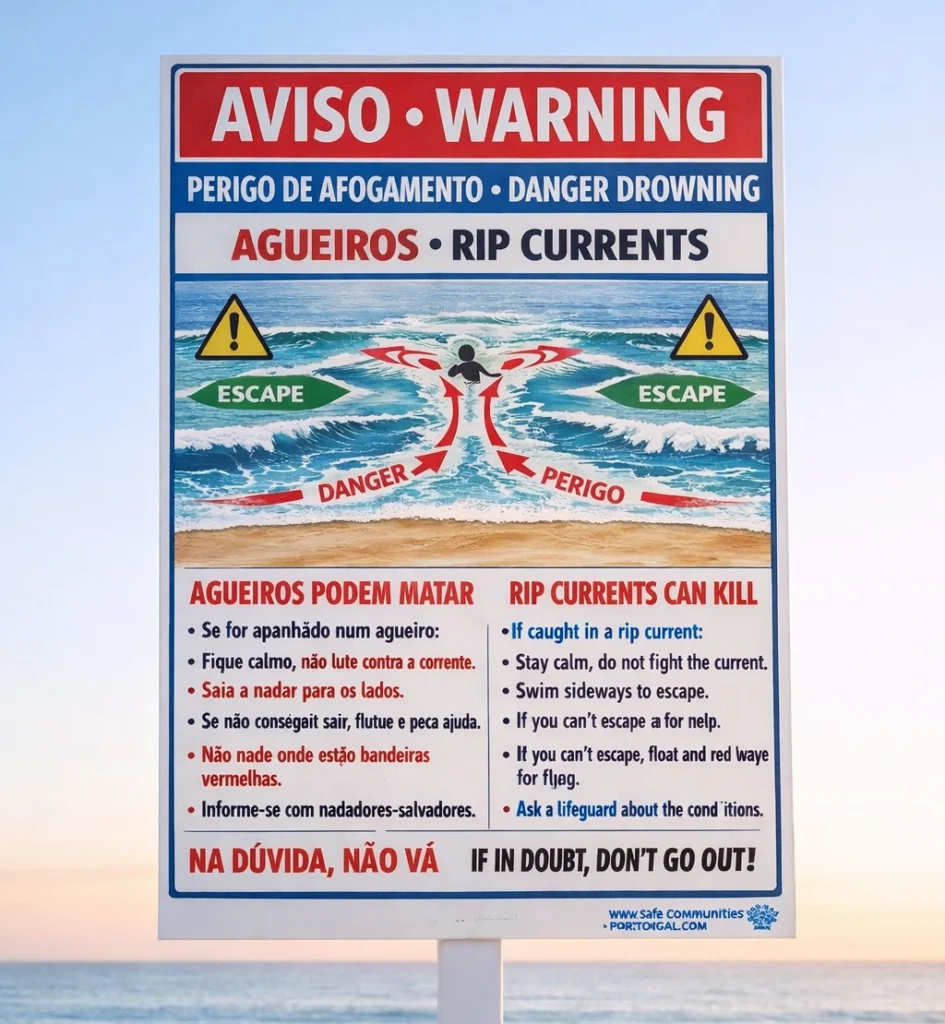
A rip current (sometimes called an “agueiro” locally) is a narrow “river” of water flowing back out to sea. It doesn’t usually look like a dramatic whirlpool — it often looks weirdly calm compared to the waves around it.
Look for these common clues:
- A darker, smoother channel between breaking waves (fewer white caps).
- Water that looks “glassy” while the rest of the beach is foamy and messy.
- A gap in the line of breaking waves — like the sea is “opening” in one strip.
- Foam or seaweed moving steadily seaward, not drifting along the shore.
- Sideways “pull” near the shoreline that keeps dragging you off your line.
If you’re not sure, that’s already your signal: don’t go in and ask a lifeguard (if there is one).
What to Do If You Get Caught in One
First: don’t panic and don’t fight the current straight back to shore. That’s how swimmers get exhausted.
Do this instead:
- Float and breathe — keep your face out of the water and save energy.
- Let it take you out a little — rips are strongest close to shore and often weaken further out.
- Swim sideways (parallel to the beach) for 20–40 meters until you feel the pull ease.
- Then angle back to shore with the waves, not against them.
- Wave and shout for help early if you’re tired — don’t wait until you’re exhausted.
Simple rule to remember: Don’t swim against it. Swim across it.
Extra Caution Days: When to Stay Out
Some days in Nazaré are just not worth “testing” — even strong swimmers get caught out when the ocean is doing something unusual.
Be extra cautious (or skip swimming) when:
- The red flag is up (no exceptions — it means no entry).
- It’s windy or gusty, especially with visible chop and sideways spray.
- Swell is running (even if the shoreline looks calm, sets can surge).
- The waterline is surging up and down and pulling hard back (strong backwash).
- You see irregular wave patterns: waves breaking in random places, strong side currents, messy whitewater.
- You’re at a non-supervised access point (like Praia do Sul, via the fishing port).
- You can’t clearly identify a safe swimming zone or you feel unsure.
If swimming is your priority, the easiest “low-stress” move is: choose the town beach (Praia da Nazaré / Praia da Vila) during the bathing season, swim near lifeguards, and follow the flag.
Best Time of Year to Swim in Nazaré
Summer (June–September) — Best
- Calmer sea
- Lifeguards on duty
- Water temperature ~18–20°C
- Best time for families and relaxed swimming
Spring & Autumn — Mixed
- Some calm days, some rough
- Always check flags
- Good visibility, fewer crowds
Winter (October–March) — Not for Casual Swimming
- Big Atlantic swells
- Cold water
- Swimming generally discouraged
Should You Swim on Big-Wave Days?
If Nazaré is making the news for giant waves:
- Do not swim
- Even the town beach can feel stronger than usual
- Enjoy the show safely from land instead
Before heading to the beach, it’s smart to check:
- Nazaré Surf Forecast
- Live webcams
- Wind direction and swell size
Tips for Swimming Safely in Nazaré
- Swim near lifeguards
- Enter the water between the flags
- Avoid swimming alone
- Don’t use inflatables on windy days
- Ask lifeguards if conditions change — they’re happy to help
Where to Stay for Easy, Safe Beach Access (Top Stays in Nazaré)
If swimming is part of your trip to Nazaré, choosing the right area makes everything easier and safer.
- Beachfront & promenade areas offer the simplest access to monitored swimming zones at Praia da Nazaré (Praia da Vila).
- Families usually prefer locations close to the town beach, where conditions are calmer and lifeguards are present in season.
- If you’re also planning lighthouse visits or big-wave watching, Sítio da Nazaré is a smart base with walkable viewpoints.
For routes, neighborhoods, and timing, see the Nazaré Surf Trip Planner. You can also explore Where to Stay in Nazaré (Best Areas & Hotels) for a full breakdown by beach, budget, and travel style.
Top Stays in Nazaré (Hand-Picked)

A design-forward, light-filled apartment with space for beach gear and cameras. Quiet, comfortable, and well-located for visitors who want calm nights and easy access to viewpoints above Praia do Norte.

A family-friendly resort set among pine trees, with pools, bungalows, and easy parking. A good choice if you’re swimming during the day and prefer extra space and simple logistics.

A family-friendly resort set among pine trees, with pools, bungalows, and easy parking. A good choice if you’re swimming during the day and prefer extra space and simple logistics.
Found this guide helpful? Share it with friends who’d love Nazaré too.
FAQ — Swimming in Nazaré
Related Nazaré Guides
Surf Rentals & Surf Shops in Nazaré: Boards, Wetsuits & Repairs
Looking for surf shops in Nazaré or reliable surf rentals? Whether you want to rent…
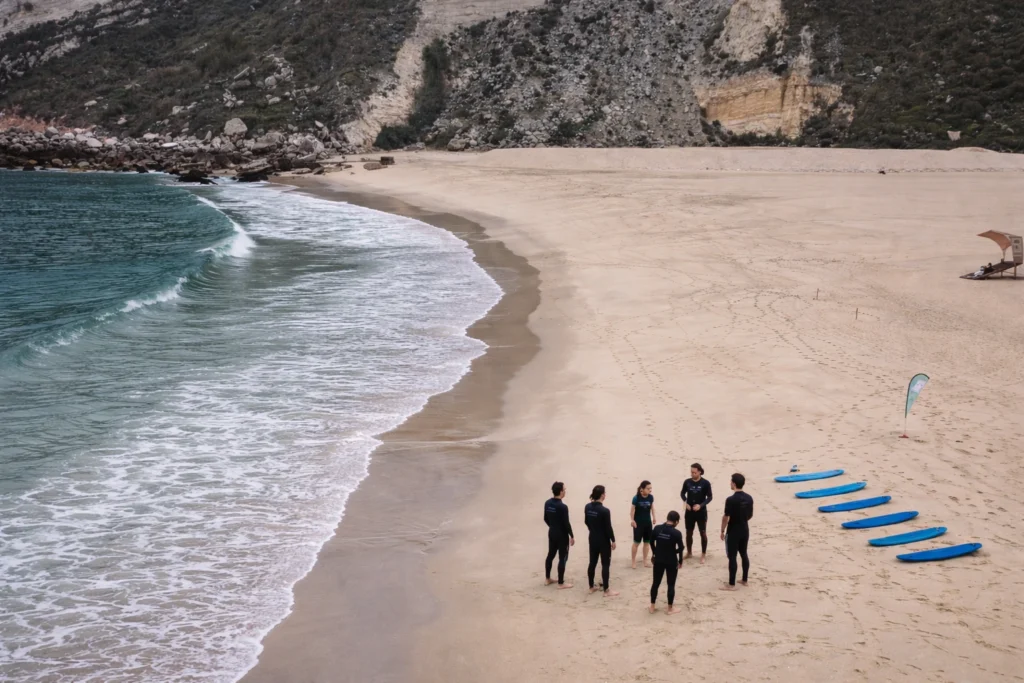
Surf Lessons in Nazaré: When It Makes Sense (and When Peniche or Ericeira Is Better)
Nazaré is world-famous for giant waves—but that reputation can be confusing if you’re planning surf…
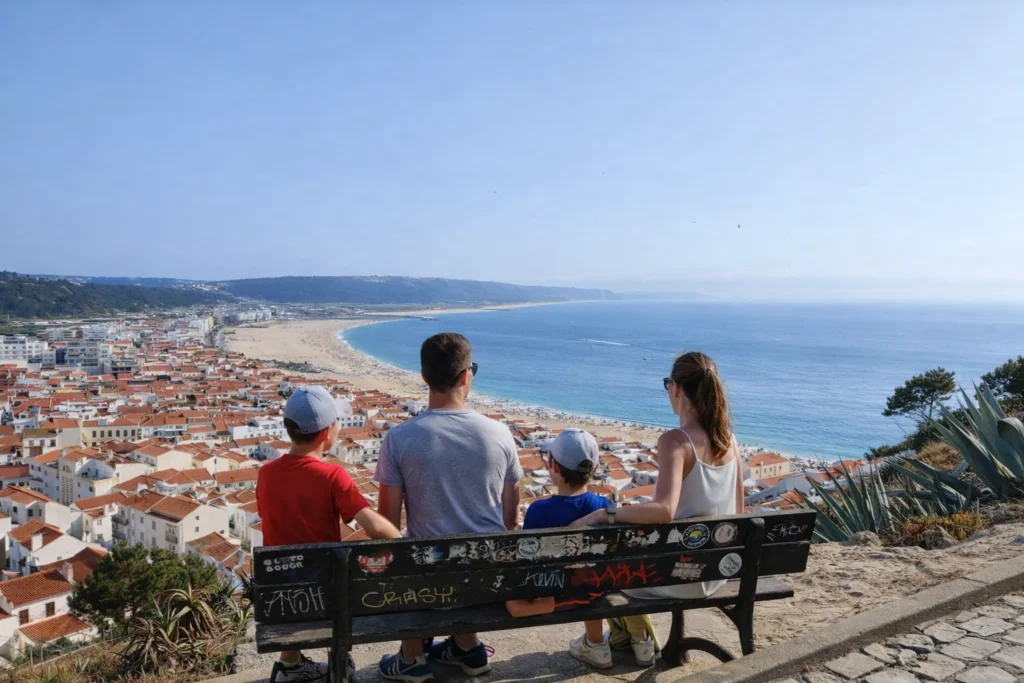
Nazaré With Kids: Family Beach Days, the Funicular & Easy Viewpoints
Visiting Nazaré, Portugal with kids can be relaxed and genuinely memorable when you keep it…
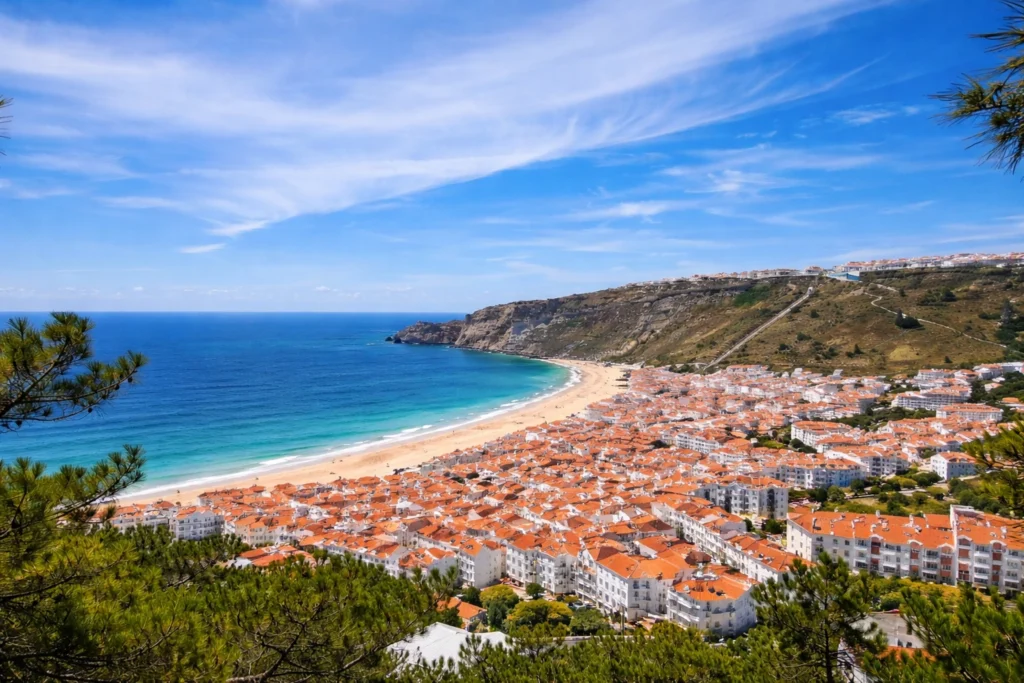
Nazaré Map: Beaches, Viewpoints & One-Day Itinerary
Nazaré is one of those places where a good map makes the day. Use our…

Lisbon to Nazaré: Day Trip Transport Guide (Bus vs Car vs Tour)
Planning a Lisbon to Nazaré day trip and wondering how to get to Nazaré quickly…
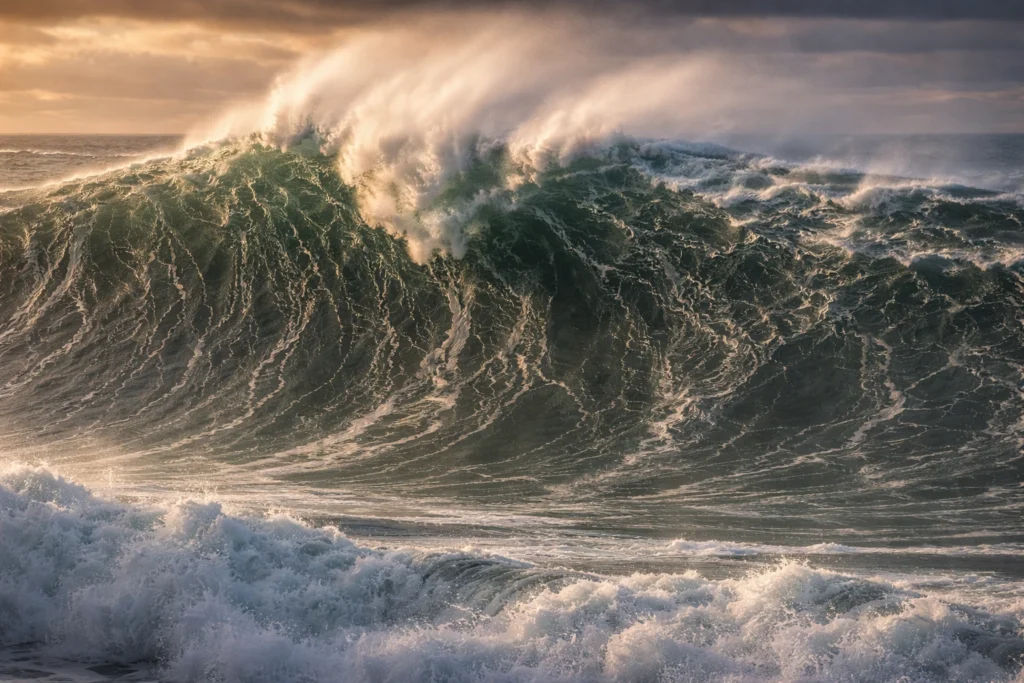
How Big Are Nazaré Waves? Wave Height Explained + All-Time Records
Nazaré’s “big” isn’t just hype—faces can tower 20–25+ meters on the very biggest days. But…
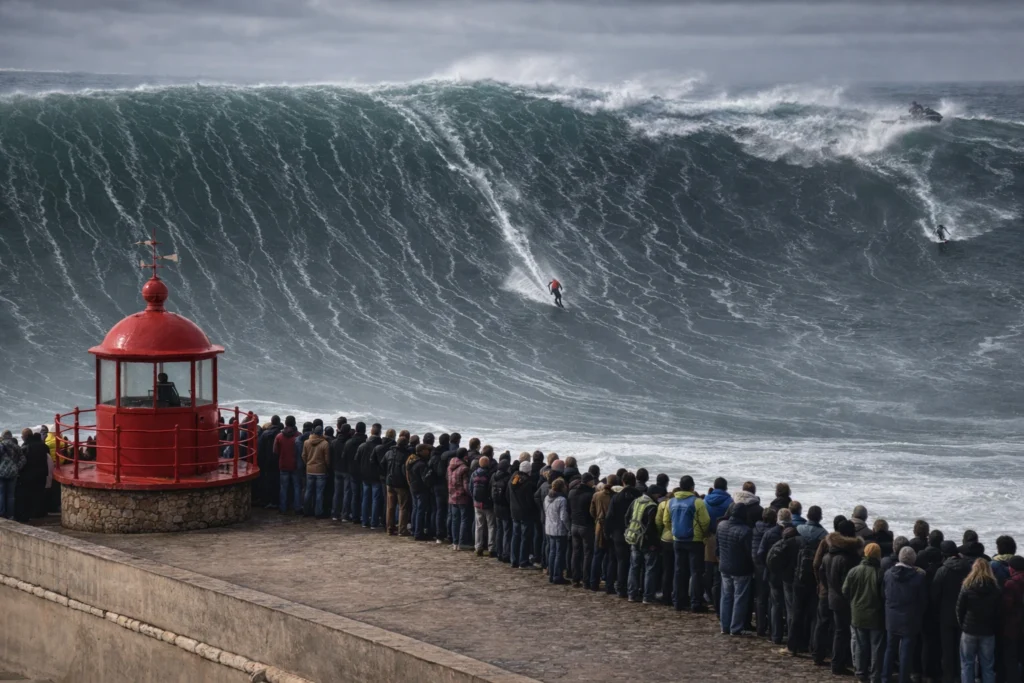
How to See the Big Waves in Nazaré (Viewpoints, Lighthouse, Parking & Safety)
If you’re wondering where to watch big waves in Nazaré, the short answer is: from…
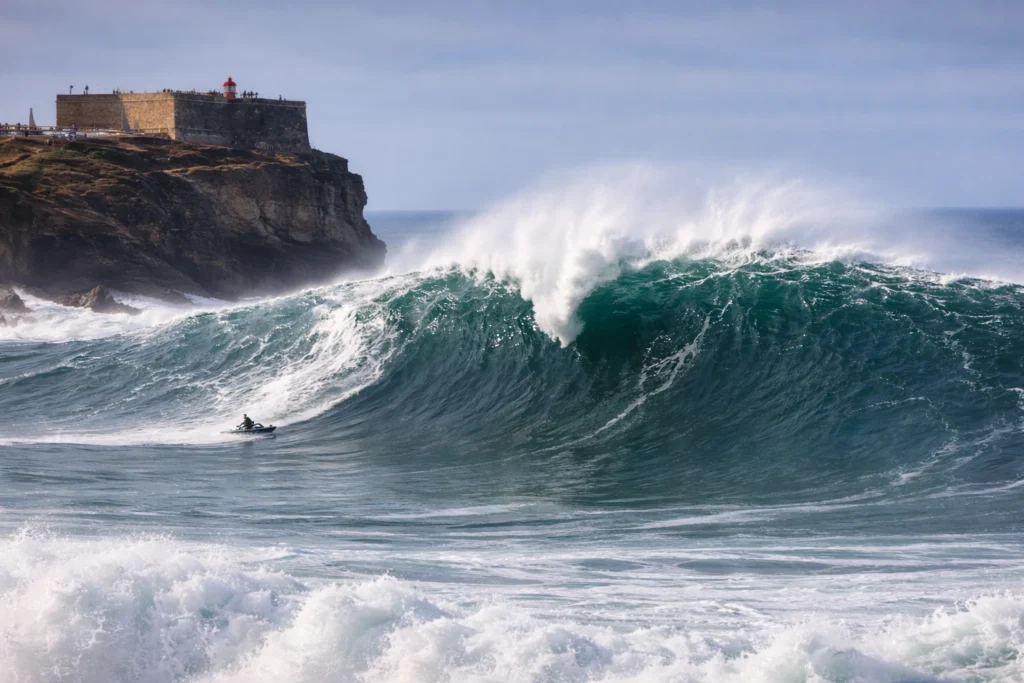
Nazare Big Wave Season (Month-by-Month): When to Go, What to Expect & How to Watch
The Nazaré big wave season runs October to March, with November to February as the…

Where to Eat in Nazaré: Best Seafood & Restaurants with a View
Looking for where to eat in Nazaré—from ultra-fresh seafood to restaurants with a view of…
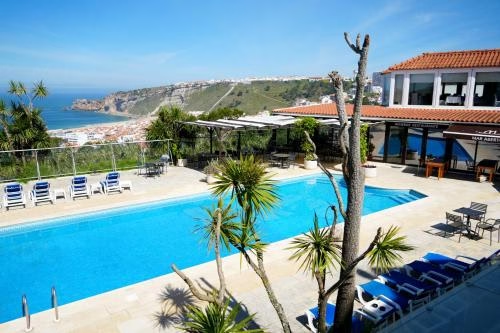
Where to Stay in Nazaré, Portugal (Best Areas & Hotels)
Planning a trip to Nazaré, Portugal? From beachfront stays on Praia da Vila to Sítio…

Things to Do Near Nazaré, Portugal – Top Activities
Already marveled at the legendary waves and cliffside views of Nazaré? If you’ve read our…

Best Places to Visit Near Nazaré, Portugal
Already explored the captivating beaches, thrilling surf spots, and dramatic coastal cliffs of Nazaré itself?…